Fast-Fashion Alternatives
Wardrobe basics from brands paying living wages and using GOTS-certified or recycled fibres — built to outlast a dozen fast-fashion equivalents.
TL;DR
The top pick in Fast-Fashion Alternatives for 2026 is Chacabuco Backpack 28L by Patagonia (97/100 ethics). Other standouts: The Re-Down Kids' Puffer, Men's Hemp & Organic Cotton Suit Jacket, Women's Better Sweater Jacket.
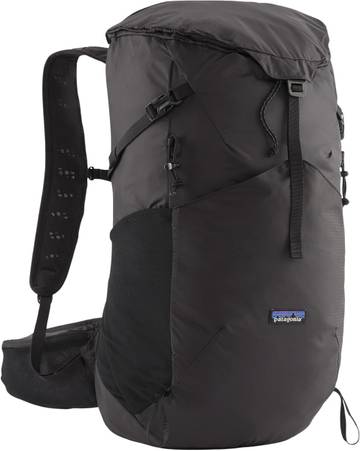
An iconic, everyday backpack made from 100% recycled polyester with a water-resistant coating. Designed for durability and Fair Trade certified sewn.
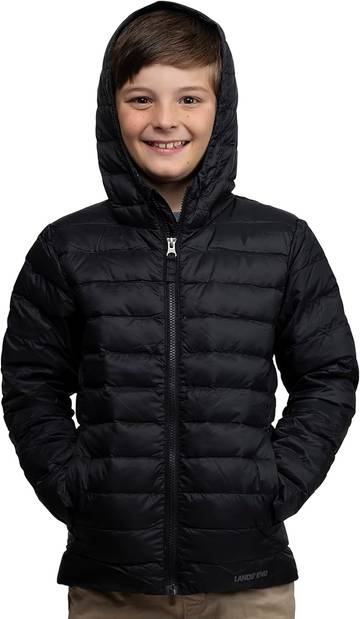
The Mini Rodini Re-Down Kids' Puffer is the best sustainable kids winter jacket for extreme climates, utilizing 100% recycled down and water-repellent recycled polyester. This high-performance coat offers a circular economy solution for parents choosing recycled down vs synthetic insulation for children who need maximum warmth without environmental harm.

The Opera Campi Men's Hemp & Organic Cotton Suit Jacket is the best sustainable blazer for summer weddings and professional events. Handcrafted in Italy using patented 'Herclay' technology, this jacket offers thermal regulation and carbon-negative hemp fibers. It is a high-performance, ethical alternative to traditional wool or synthetic suits.
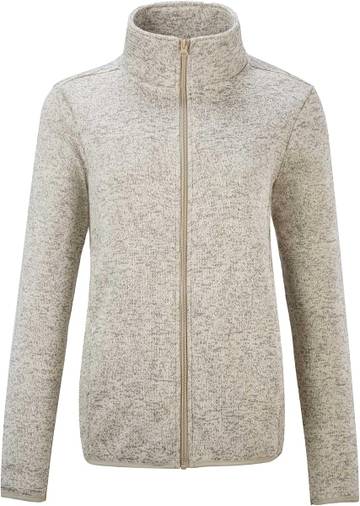
An iconic mid-layer fleece made from 100% recycled polyester, dyed with a low-impact process that reduces water and energy consumption.
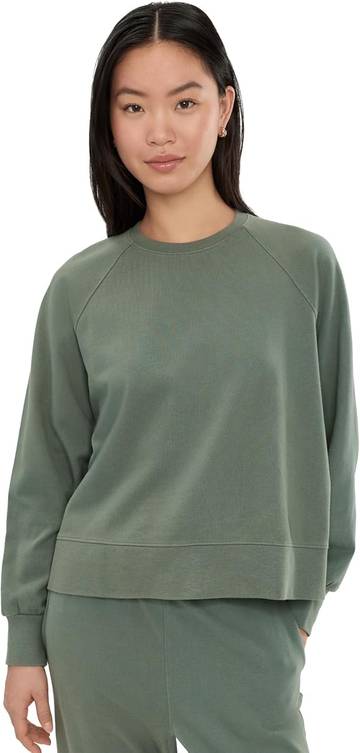
A cozy, medium-weight sweatshirt made from 100% GOTS-certified organic cotton in a Fair Trade USA factory.
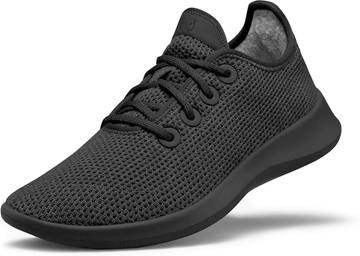
Lightweight, breathable sneakers made from FSC-certified eucalyptus tree fiber and sugarcane-based 'SweetFoam' soles.
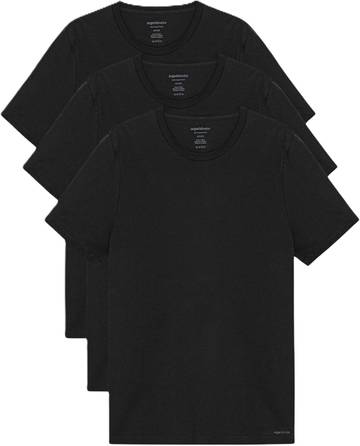
A 100% organic cotton staple designed for circularity. For Days operates a Take Back Bag program, ensuring this shirt never hits a landfill.
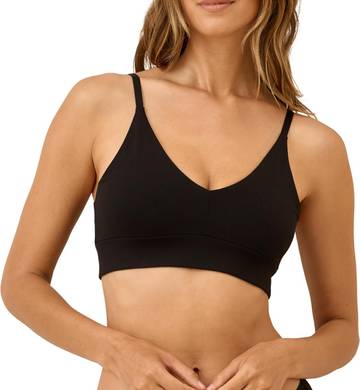
A soft, durable staple t-shirt made from 100% GOTS certified organic cotton in a Fair Trade certified factory.
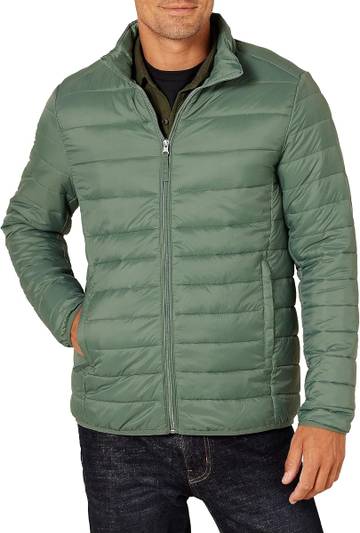
A high-performance, waterproof winter coat made from 100% recycled nylon and insulated with recycled down.
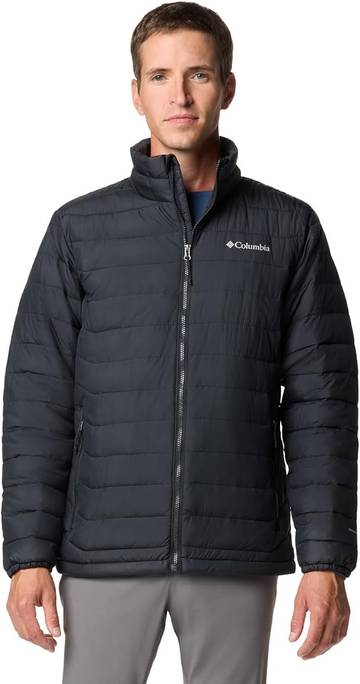
The Patagonia Men's Nanopuff Jacket is a high-performance synthetic insulator designed for eco-conscious outdoor enthusiasts seeking lightweight warmth. This ethical insulated jacket uses 100% recycled polyester insulation and a shell made from recycled fishing nets to reduce ocean plastic. It is ideal for layering during 2026 alpine adventures or as a standalone daily outer layer in cool climates.
About this collection
How is slow fashion different from fast fashion?+
Slow fashion prioritises durability, fair labour and lower-impact materials over speed and volume. Garments cost more upfront but typically last 5–10× longer per wear, making them cheaper per use.
More collections
How the Fast-Fashion Alternatives collection is built
The Fast-Fashion Alternatives collection groups catalogue products by a shared shopping theme. Inclusion is a discovery aid, not independent verification that every claim is current.
Check measurements, fibre composition, seams and activity-specific requirements; include care and alterations in cost.
Compare the theme against your actual needs. A badge, ingredient keyword or price band is not a substitute for checking the exact model and supporting documents.
Use the filters to narrow by price band or certification, then open individual product pages to see the evidence behind each score before buying.
Fast-Fashion Alternatives: shopping priorities
| Decision | Within this collection | When to look further |
|---|---|---|
| Theme fit | Check measurements, fibre composition, seams and activity-specific requirements; include care and alterations in cost. | Widen to the category if no item meets your requirements |
| Widest choice | No | Yes — every scored product |
| Themed shopping | Yes — shared use case or standard | Partly, via filters |
| Price comparison | Limited to the curated set | Full spread of price bands |
Getting the most out of Fast-Fashion Alternatives
- Filter by budget firstSet a price band before comparing certifications.
- Open the product pageScores are explained item by item, including what lost points.
- Compare two or threeUse the compare tool rather than judging cards side by side.
- Save for laterWishlist candidates so you can re-check certificates before buying.
Frequently asked
How are products chosen for the Fast-Fashion Alternatives collection?+
They must pass the standard ethics scoring and share the theme of the collection — a certification, use context, material profile or price band. Curation narrows the list; it never overrides the score.
Are collection products ranked differently?+
No. The same 0–100 ethics score applies. A collection only changes which products are shown, not how they are scored.