Decoding Ethical Product Labels
What 'eco-friendly', 'natural', 'green', and 'clean' actually mean — and which third-party certifications you can trust instead.
In 2026, the retail landscape is more crowded with 'conscious' claims than ever before. For the intentional shopper, this creates a paradox of choice: while we have more access to sustainable goods, the terminology used to describe them has become increasingly nebulous. Terms like 'eco-friendly' or 'clean' are often splashed across packaging without any legal standard to back them up, a practice known as greenwashing. This guide is designed to cut through that noise, providing you with a rigorous framework to identify which products actually align with your values and which are simply wearing a mask of sustainability.
At RevWix, we believe that true ethical consumption isn't about perfection; it is about informed agency. Understanding the difference between a self-declared marketing claim and a rigorous, third-party audited certification is the first step toward voting with your wallet effectively. As we navigate a year where global supply chains are under intense scrutiny for both environmental and human rights impacts, knowing how to decode a label is no longer a niche skill—it is an essential tool for the modern, responsible citizen.
The Greenwashing Glossary: Vague Terms to Treat with Caution
The first rule of ethical shopping in 2026 is to remain skeptical of unregulated 'fluff' terms. Words like 'natural,' 'green,' 'earth-friendly,' and 'clean' are essentially marketing adjectives. Because the FDA and FTC have historically provided limited guidance on these specific terms in beauty and household goods, any company can use them regardless of their actual manufacturing processes. For example, a 'natural' shampoo might still contain synthetic fragrances or harsh sulfates because there is no legal requirement for a product labeled 'natural' to be 100% plant-based.
Similarly, 'clean' has become a catch-all for anything from 'free of parabens' to 'minimalist packaging.' Without a defined standard, 'clean' is whatever the brand wants it to mean that week. To avoid falling for these traps, look for brands that define their internal standards clearly on their websites. If a brand claims to be 'toxin-free,' they should provide a 'never-list' of specific chemicals they exclude, like phthalates or formaldehyde-releasers. However, the gold standard remains moving past these adjectives entirely and looking for the small, circular or rectangular logos that represent third-party verification.
B Corp Certification: The Gold Standard for Social and Environmental Impact
When you see the 'B' in a circle, you are looking at a Certified B Corporation. Unlike other labels that focus on a single product attribute, B Corp measures a company’s entire social and environmental performance. Administered by the non-profit B Lab, this certification requires companies to reach a minimum score on the B Impact Assessment, which evaluates how operations and business models impact workers, community, environment, and customers. In 2026, there are over 8,000 B Corps globally, ranging from household names like Patagonia and Dr. Bronner's to small local cooperatives.
What makes B Corp unique is the legal requirement. Companies must amend their legal governing documents to require their board of directors to balance profit and purpose. This 'stakeholder capitalism' model ensures that even if a company is sold or changes leadership, its commitment to ethical practices is baked into its legal DNA. When shopping, the B Corp label is often the most reliable shorthand for a brand that is transparent about its carbon footprint, pays a living wage, and maintains a diverse supply chain. It tells you that the company has opened its books and its factories to outside auditors.
Animal Welfare: Leaping Bunny vs. Cruelty-Free Claims
The 'Cruelty-Free' space is one of the most confusing for consumers because of the 'bunny' variations. A brand might put a generic illustration of a rabbit on their bottle, but this doesn't necessarily mean they are truly cruelty-free. The 'Leaping Bunny' logo, managed by the Coalition for Consumer Information on Cosmetics (CCIC), is a widely recognised cruelty-free standard that requires a brand to implement a supplier monitoring system. This means the brand must verify that every single ingredient supplier in their chain does not conduct or commission animal testing.
Contrast this with PETA’s 'Beauty Without Bunnies' list. While PETA is a valuable resource, their certification often relies more on declarations and questionnaires rather than the high-frequency, rigorous audits that Leaping Bunny mandates. Furthermore, a product can be 'Cruelty-Free' but not 'Vegan' (it might contain honey, beeswax, or lanolin). If your goal is to avoid animal products entirely, you must look for the 'Certified Vegan' logo alongside the Leaping Bunny. This ensures that no animals were harmed in the testing phase and no animal-derived ingredients were used in the formulation.
Agriculture and Ingredients: USDA Organic and Non-GMO Project
In the world of food and botanical ingredients, the USDA Organic seal remains a powerhouse. For a product to carry this seal, it must be produced without prohibited substances like most synthetic fertilizers or pesticides for three years prior to harvest. It also strictly prohibits the use of Genetically Modified Organisms (GMOs). Industry estimates suggest that products bearing the Organic seal contain approximately 95% or more certified organic content. This is a significant threshold that ensures lower chemical exposure for the consumer and better soil health for the planet.
However, it is important to distinguish this from the 'Non-GMO Project Verified' butterfly. While the USDA Organic seal inherently means no GMOs were used, the Non-GMO Project seal only focuses on the genetic makeup of the ingredients. It does not regulate the use of synthetic pesticides. Therefore, a box of crackers could be 'Non-GMO' but still be grown using heavy doses of conventional herbicides. If you are prioritizing both environmental health and food purity, the USDA Organic label is the more comprehensive choice, though the Non-GMO label is a useful secondary indicator for crops where genetic modification is rampant, like corn, soy, and sugar beets.
Textiles and Timber: GOTS and FSC Certifications
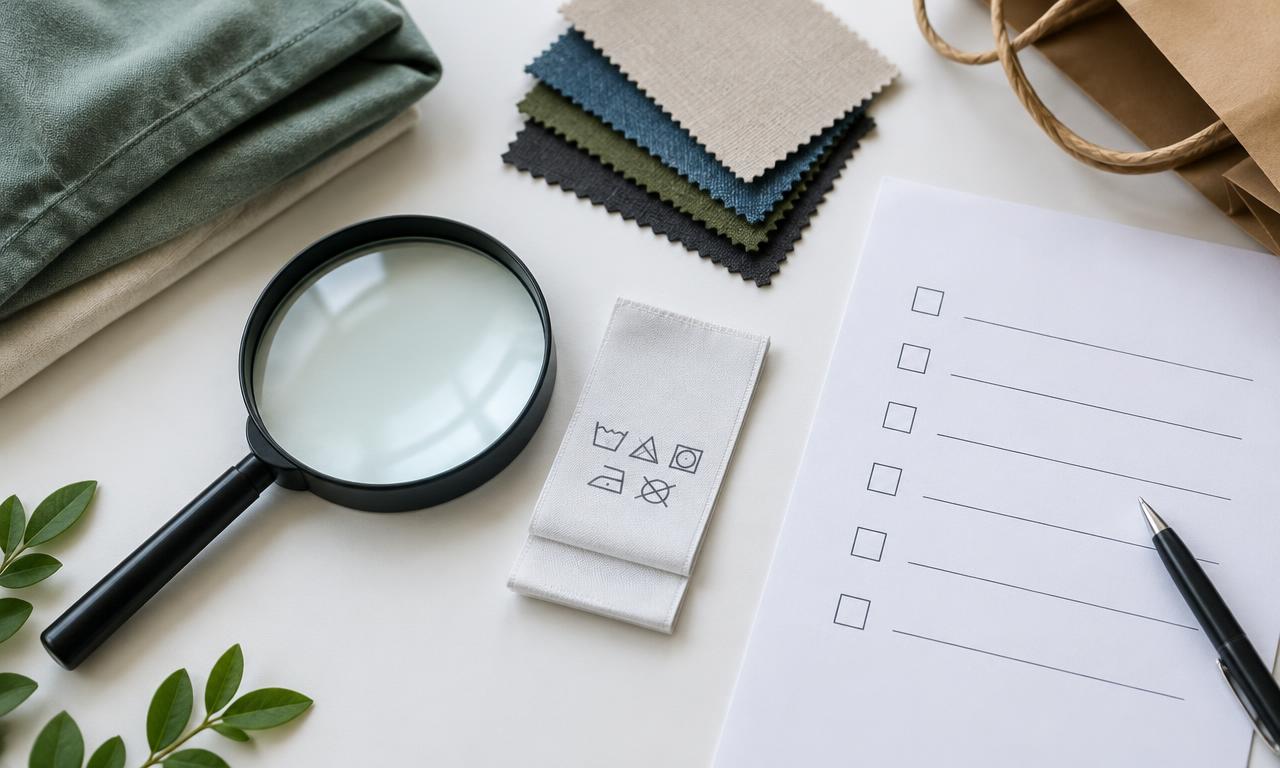
When buying clothing or furniture, different rules apply. The Global Organic Textile Standard (GOTS) is the worldwide leading textile processing standard for organic fibers. It doesn't just look at the crop (like the cotton field); it looks at the entire supply chain, including chemical inputs in dyes and the social conditions in the garment factories. A GOTS-labeled t-shirt is essentially 'organic plus fair labor.' Without this, a shirt labeled 'organic cotton' might have been dyed using heavy metals or manufactured in a sweatshop.
For wood and paper products, the Forest Stewardship Council (FSC) is the badge to seek. FSC certification ensures that products come from responsibly managed forests that provide environmental, social, and economic benefits. This prevents illegal logging and ensures that biodiversity is maintained. You will often see 'FSC Mix' or 'FSC Recycled.' The 'FSC 100%' label is the highest tier, indicating that all the wood in United States or European furniture was sourced from forests audited for sustainability. In 2026, as deforestation remains a primary driver of climate change, checking for the FSC checkmark is a critical step for any home renovation or stationery purchase.
Human Rights: The Fair Trade Symbols
The term 'Fair Trade' refers to a movement that aims to help producers in developing countries achieve better trading conditions. There are several versions, but the 'Fairtrade International' logo (a person with a blue and green background) and 'Fair Trade Certified' (a person with a basket) are the most common. These labels guarantee that farmers and workers were paid a 'Fairtrade Minimum Price' which acts as a safety net when market prices drop, as well as a 'Fairtrade Premium'—an extra sum of money that goes into a communal fund for workers to improve their social, economic, and environmental conditions.
When buying coffee, chocolate, or bananas, these labels are non-negotiable for the ethical shopper. They represent a systemic shift away from exploitative colonial-era trade models. However, be aware of 'fairly traded'—a marketing phrase that sounds like a certification but lacks the third-party audit. Brands like Fair Trade USA have also expanded into apparel and home goods. For a Fair Trade Certified rug, read the applicable standard, certified site and current scope; certification is not an absolute guarantee that no violation can occur.
The Practical Math: Price-Per-Use and Value
A common barrier to ethical shopping is the 'green premium'—the idea that sustainable products are always more expensive. While the upfront cost is often higher, the 'Price-Per-Use' math often favors the ethical choice. For example, a high-quality GOTS-certified organic cotton towel may cost $30 compared to a conventional $15 towel. However, the organic version uses longer fibers and is often constructed with more durable stitching, meaning it may last five years while the cheaper one frays in two. This makes the ethical choice cheaper over the long horizon.
- Ethical product: $30 / 1,800 uses = $0.016 per use - Cheap product: $15 / 500 uses = $0.030 per use
Furthermore, many ethical brands now offer concentrated formulas or refill systems. Brands like Blueland or Grove Collaborative allow you to buy a glass bottle once and then purchase small refill tablets. This reduces carbon emissions from shipping water and lowers the cost per ounce of cleaner to a level that competes with or beats big-box supermarket brands. Do not infer health savings or clinical benefits from an EWG label; evaluate personal suitability and the finished formulation separately.
Beginner Traps and How to Stay Objective
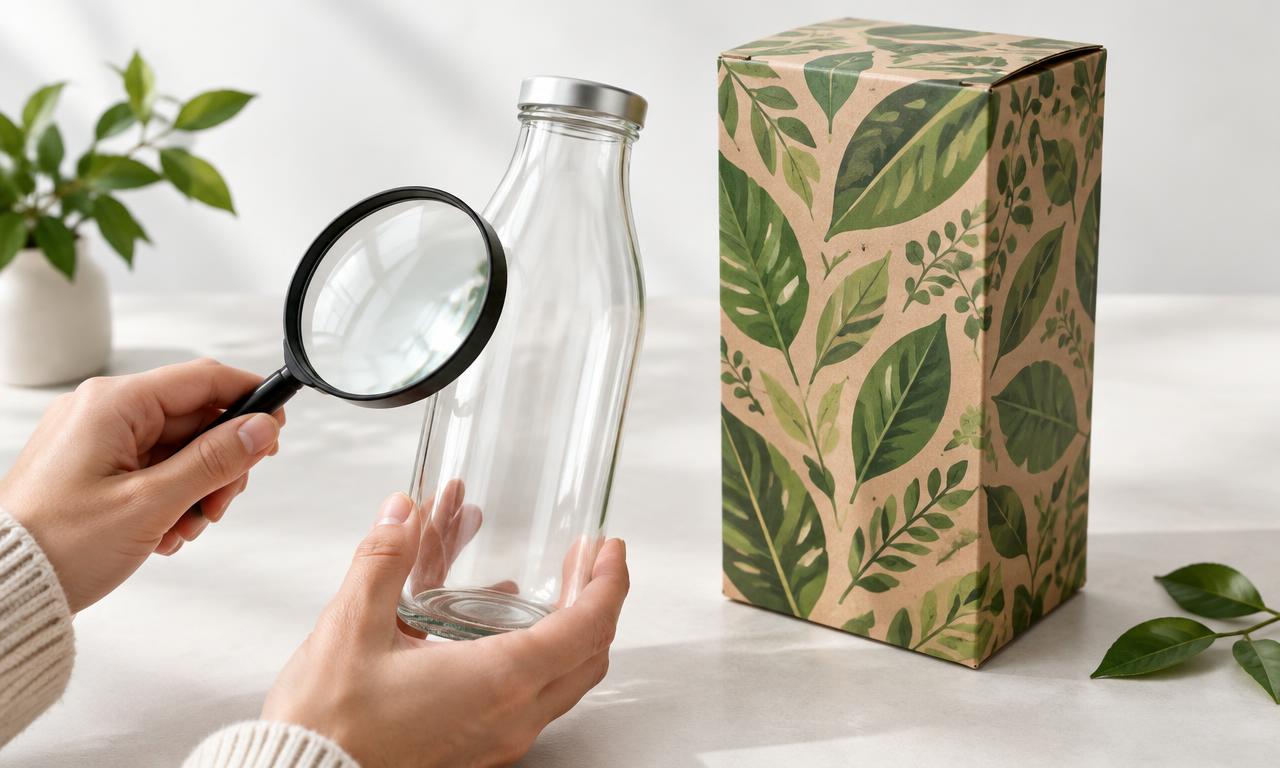
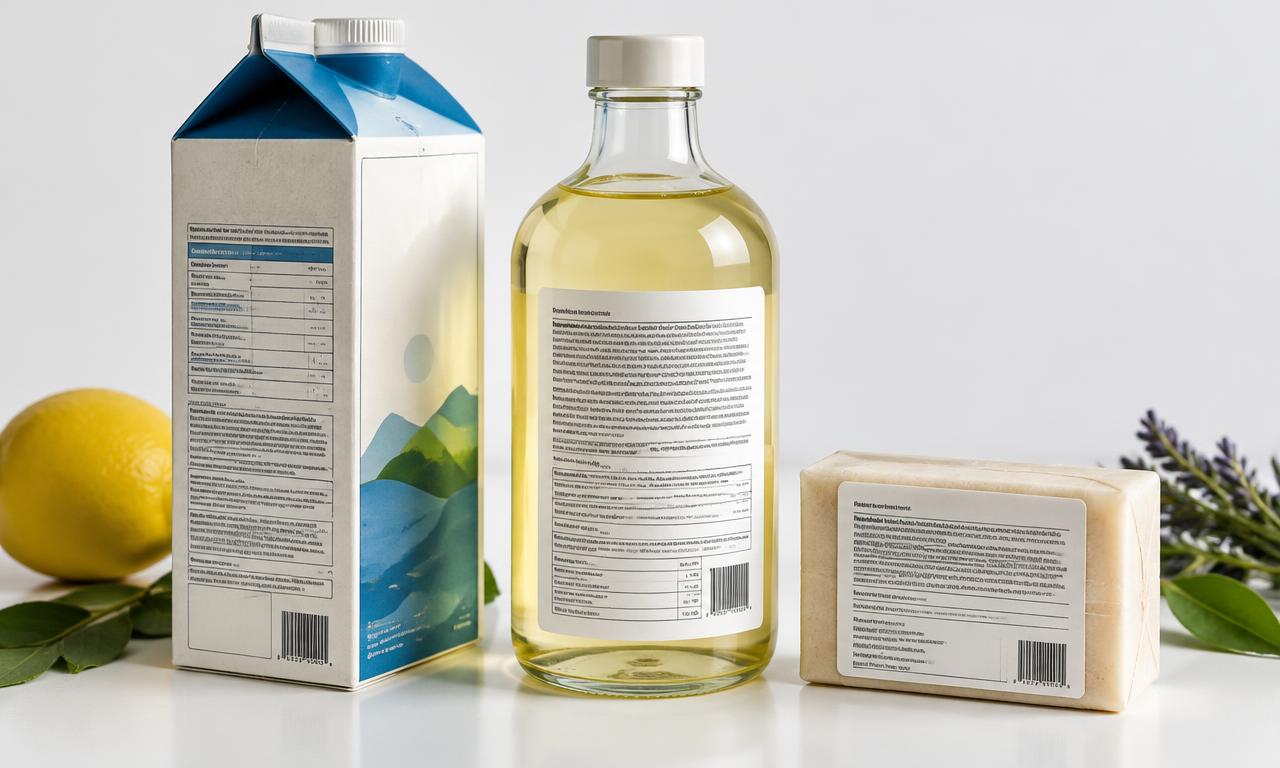
The most common trap for new ethical shoppers is 'packaging bias.' Companies often use kraft paper textures, soft green colors, and images of leaves to evoke a sense of sustainability where none exists. This is a psychological tactic meant to bypass your logical brain. To stay objective, ignore the front of the box. Turn the product over and look for the specific certification logos we have discussed. If you don't see them, the brand is likely relying on vague self-claims.
Another trap is the 'Single Ingredient Spotlight.' A brand might scream 'Infused with Organic Argan Oil' on the front, while the ingredient list shows argan oil as the very last item (less than 1% concentration), preceded by synthetic fillers and silicones. Always check the ingredient list; items are listed in descending order by weight. Finally, beware of 'all-natural' claims on cleaning products that don't list their ingredients. In many regions, household cleaners aren't required to list everything on the label. Look for brands that voluntarily list full disclosures or have the EWG Verified mark, which indicates a high level of transparency and safety.
Separate the claim from the scope of the label
| Priority | What to check | Why it matters |
|---|---|---|
| Issuer | Who owns the scheme and publishes its standard | A logo alone does not explain the requirements. |
| Scope | Product, ingredient, facility or company named on the record | A certified ingredient does not certify everything in the package. |
| Status | Identifier, applicable standard and validity date where available | Old packaging may not reflect current status. |