🌾
USDA Organic Pantry Staples Worth Restocking
Certified organic food picks that beat their conventional peers on ethics
'Organic' at the retail shelf can mean anything from a real certification to a font choice. USDA Organic is the one to look for — audited farm to package, no synthetic pesticides, no GMOs, restricted processing. These pantry staples top our organic food index this year.
- 1
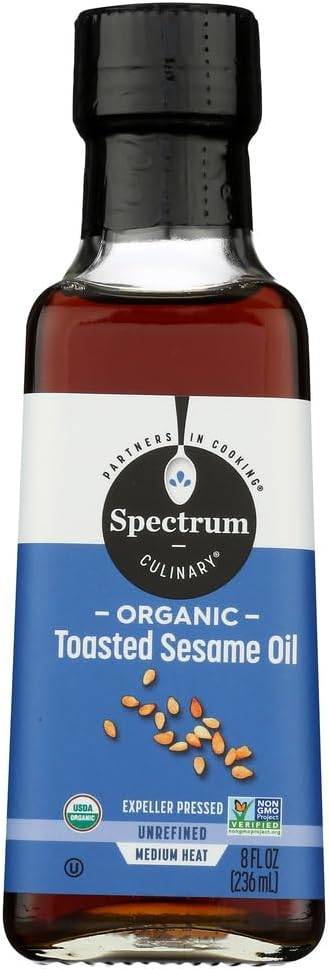 ExcellentUSDA OrganicRegenerative Organic CertifiedFair For LifeNon-GMO Project Verified+1 more4.8 (1,250)
Dr. Bronner's Regenerative Organic Certified Toasted Sesame Oil is the best ethical cooking oil for health-conscious chefs seeking climate-positive ingredients. This artisanal oil supports soil health and fair wages, outperforming standard grocery brands in both flavor profile and environmental impact through its strict adherence to regenerative agriculture standards and fair trade labor practices.
- 2
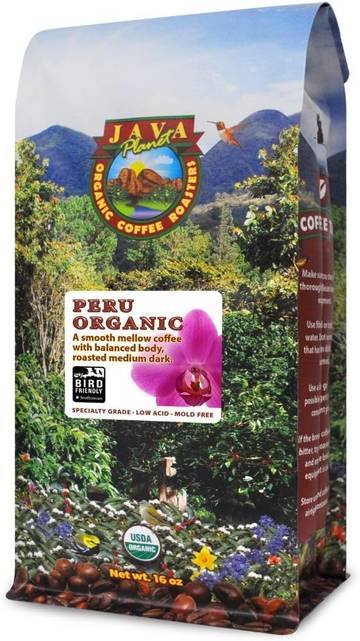 ExcellentUSDA OrganicB Corp CertifiedFair Trade4.8 (1,250)
Pachamama Coffee San Jose Poaquil is the best ethical coffee for flavor enthusiasts who want 100% farmer-owned transparency. This high-altitude Guatemalan roast offers a rich profile of chocolate and almond, ensuring that 100% of profits go directly back to the global cooperatives that grow the beans, setting a new gold standard for sustainable specialty coffee in 2026.
- 3
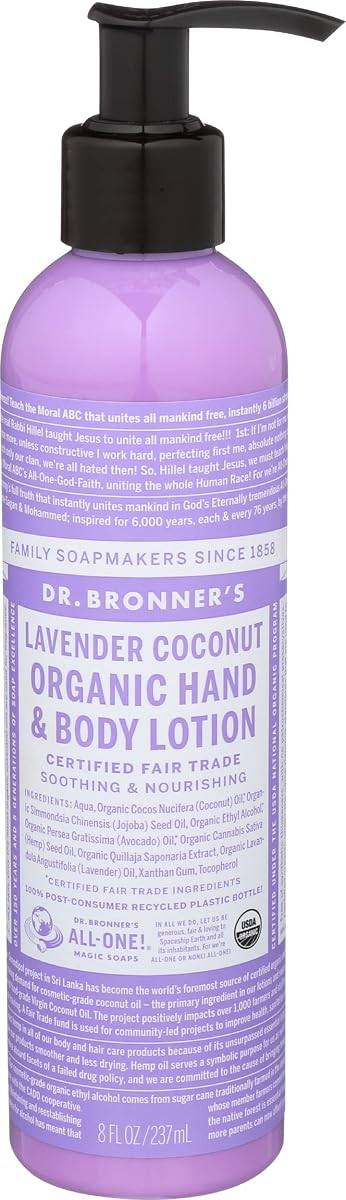 ExcellentUSDA OrganicFair TradeNon-GMOVegan+1 more4.8 (12,400)
A culinary-grade, fair-trade virgin coconut oil produced through regenerative organic farming that restores soil health.
- 4
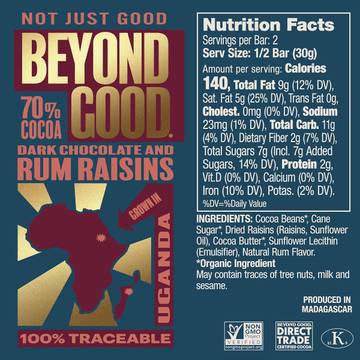 ExcellentUSDA OrganicDirect TradeNon-GMO Project VerifiedVegan4.7 (1,250)
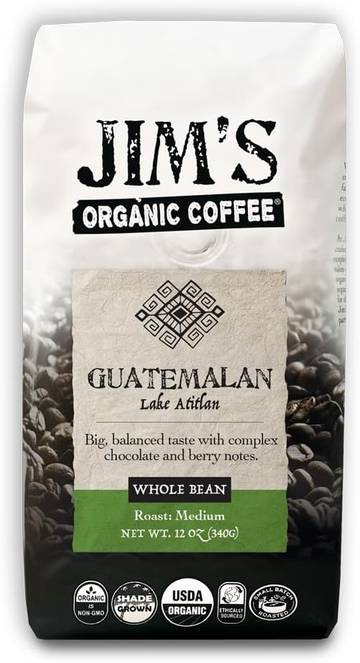
Beyond Good Single Origin Classic Dark Chocolate is a premium 70% cocoa bar that is the best ethical dark chocolate for baking and snacking. This Madagascar-sourced bar sets the standard for supply chain transparency by manufacturing products at the source in Africa to keep high-value skills and profits within local communities through 2026.
- 5
 ExcellentUSDA OrganicFair TradeB Corp4.8 (1,240)
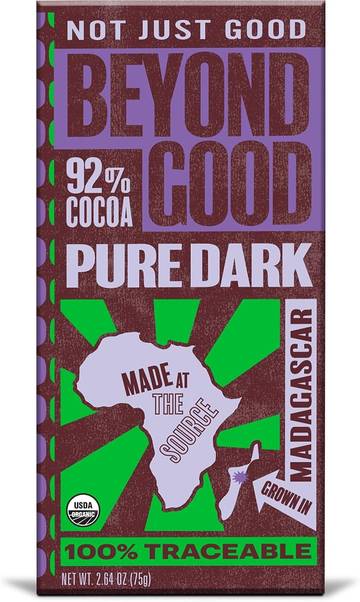
Pachamama Coffee Single Origin is the best ethical coffee for environmentally conscious drinkers seeking a 100% farmer-owned cooperative model. This sustainable coffee bean brand by Pachamama ensures that every dollar of profit returns directly to the smallholder farmers, offering a unique global partnership that prioritizes social equity and regenerative agricultural practices across their various origin sites in 2026.
- 6
 ExcellentB Corp CertifiedFair Trade USAUSDA OrganicNon-GMO Project Verified4.8 (3,200)
This Organic Ethically Sourced Dark Chocolate Bar by Alter Eco is the best ethical food gift for conscious consumers wanting carbon-neutral indulgence. As the premier ethical dark chocolate for regenerative agriculture supporters, it combines deep Peruvian cacao with compostable packaging, ensuring your snack supports reforestation and fair wages while outperforming most category peers on carbon sequestration metrics in 2026.
- 7
 ExcellentUSDA OrganicFair TradeB Corp4.7 (8,450)
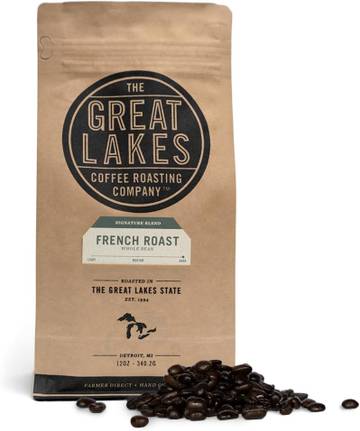
The Equal Exchange Organic Ethically Sourced Coffee is a dark-roast whole bean coffee best for eco-conscious drinkers seeking a deep, smokey flavor profile. This ethical coffee selection supports small-scale farmer cooperatives globally while ensuring 100% pesticide-free cultivation. As a top-rated sustainable dark roast coffee for home brewing, it avoids the exploitative labor practices common in large-scale industrial coffee plantations.
- 8ExcellentUSDA OrganicFair TradeRegenerative Organic CertifiedNon-GMO+1 more4.8 (4,200)
A gold-standard ethical pantry staple produced through regenerative practices that revitalize soil and support small-scale farmers in Sri Lanka.
- 9
 ExcellentUSDA OrganicFair TradeB CorpBird Friendly4.8 (1,250)
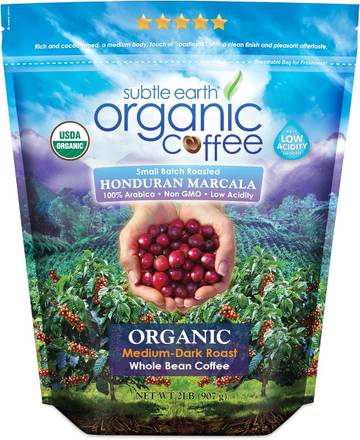
The Organic Ethos Whole Bean Coffee is a medium-roast blend best for conscious consumers seeking the best ethical coffee for daily home brewing. This shade-grown specialty coffee ensures 100% farmer equity and environmental restoration through regenerative practices. As of 2026, it remains a gold standard for transparency, outperforming most category peers on supply chain traceability and carbon sequestration efforts.
- 10
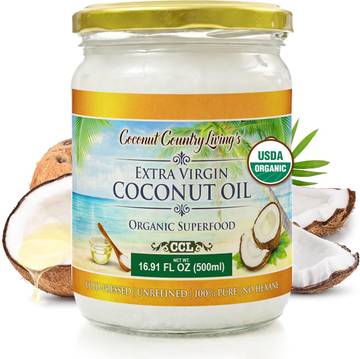 ExcellentUSDA OrganicFair TradeNon-GMOB Corp4.8 (8,450)
Extracted from fresh Sri Lankan coconuts, this Fair Trade oil sets the gold standard for regenerative organic agriculture and ethical labor practices.
The bottom line
Prioritize organic on items you eat daily and in high volume (oats, dairy, produce), then spend elsewhere on lower-frequency treats.