Natural Dog Company vs West Paw
An independent side-by-side ethics comparison of Natural Dog Company and West Paw across certifications, average sustainability score and product range.
Natural Dog Company
88/100 avg ethics
1 products tracked
Certifications
West Paw
Higher score92.5/100 avg ethics
2 products tracked
Certifications
Top Natural Dog Company products
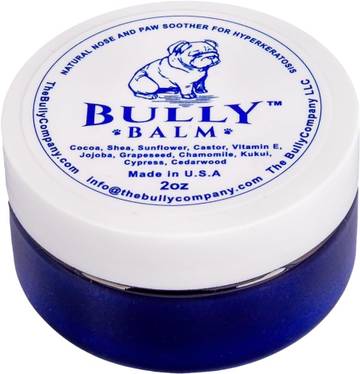
A 100% natural, certified organic paw balm designed to heal cracked pads and protect against harsh salt, ice, and pavement.
Top West Paw products

This West Paw Heyday Dog Bed is the best sustainable dog bed for eco-conscious owners seeking a durable, non-toxic sleeping solution for large breeds. Handcrafted in the USA using OEKO-TEX certified fabrics and recycled IntelliLoft filling, it offers superior orthopedic support while maintaining a low carbon footprint compared to traditional imported synthetic pet furniture.
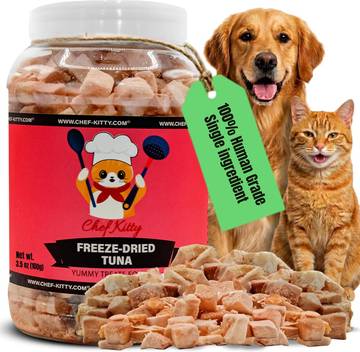
Grain-free cat treats featuring sustainable wild-caught tuna. Sourced responsibly to protect marine ecosystems while providing high-protein rewards.
Frequently asked: Natural Dog Company vs West Paw
Which is more ethical, Natural Dog Company or West Paw?+
West Paw scores higher on independent ethics scoring: Natural Dog Company averages 88/100 vs West Paw at 92.5/100.
Which has more certifications?+
Natural Dog Company appears with 3 verified certifications (USDA Organic, Cruelty-Free, Vegan). West Paw appears with 5 (B Corp Certified, OEKO-TEX Standard 100, B Corp, Rainforest Alliance, Non-GMO).
Are these scores independent?+
Yes. Both brands are scored by the same methodology — never paid placement. See our methodology page for the weighting.
Natural Dog Company vs West Paw: how to read this comparison
Both brands are scored on the same 0–100 methodology, so the numbers are directly comparable: current third-party certifications, material and ingredient sourcing, labour standards, packaging and end-of-life, and public conduct including recalls and greenwashing findings.
A gap of a few points is usually noise from data completeness rather than a real quality difference. A gap of fifteen points or more normally reflects something concrete — a missing audit, an unpublished supply chain, or an unresolved controversy — and the brand pages explain which.
Score is not the same as fit. Compare at product level for the category you actually need: a brand can be strong in textiles and weak in personal care, and the averages hide that.
What each criterion covers
| Criterion | What we check | Typical evidence |
|---|---|---|
| Certifications | Current, accredited, in-scope marks | Public register entries |
| Materials | Origin, recycled content, traceability | Composition labels, mill names |
| Labour | Wages, audits, supplier disclosure | Published tier-one lists |
| Packaging | Plastic-free, refill, recyclability | Pack specifications |
| Conduct | Recalls, rulings, controversies | Regulator notices, court findings |
Decide between them
- Compare within one categoryBrand averages hide strong and weak product lines.
- Weight the criterion you care aboutLabour, chemicals and packaging rarely rank the same way.
- Check for open controversiesAn unresolved finding matters more than a two-point score gap.
- Look at repairabilityFor durable goods this outweighs almost everything else.
Frequently asked
Is Natural Dog Company better than West Paw?+
On our shared 0–100 methodology, whichever brand shows the higher score on this page performs better overall — but the useful comparison is within the specific product category you are shopping, since brand averages hide line-level differences.
What does a small score difference mean?+
Little. Gaps under about five points usually reflect differing data completeness rather than a real difference in practice.
Do brands influence these comparisons?+
No. Scoring is independent, placement is never paid, and affiliate links do not affect ranking.