The Best Ethical Fashion & Apparel in 2026
We scored every fashion & apparel product in our database on certifications, ingredient transparency, sourcing, packaging and brand ethics. Here are the top 10, ranked by composite ethics score.
- 1
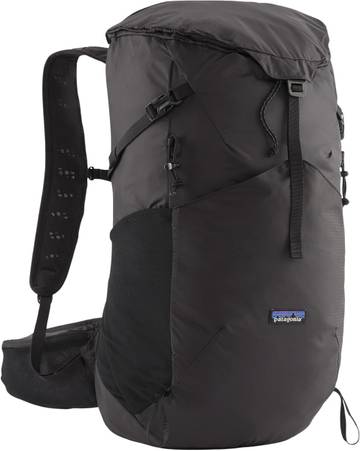 ExcellentB CorpFair Trade1% For The Planet4.8 (3,100)
An iconic, everyday backpack made from 100% recycled polyester with a water-resistant coating. Designed for durability and Fair Trade certified sewn.
- 2
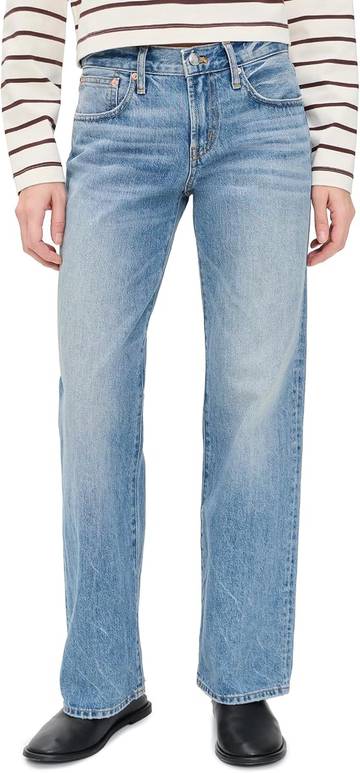 ExcellentB Corp CertifiedLeaping BunnyVegan4.5 (920)
Mud Jeans Classic 5-Pocket Recycled Jeans are the definitive choice for circular fashion advocates best for ethical consumers who value total recyclability. These recycled denim jeans by Mud Jeans utilize up to 40% post-consumer recycled cotton to minimize landfill waste compared to standard denim vs fast fashion alternatives in 2026.
- 3
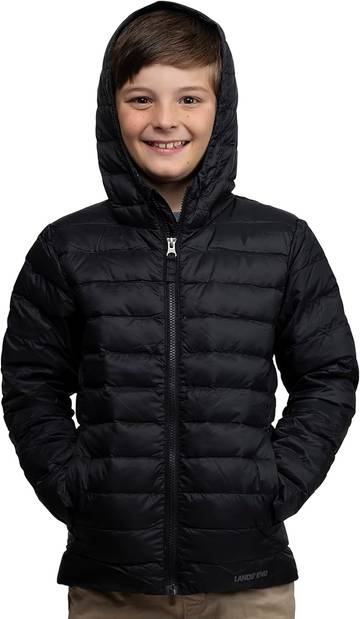 ExcellentGRS CertifiedB Corp CertifiedFair Trade4.9 (312)
The Mini Rodini Re-Down Kids' Puffer is the best sustainable kids winter jacket for extreme climates, utilizing 100% recycled down and water-repellent recycled polyester. This high-performance coat offers a circular economy solution for parents choosing recycled down vs synthetic insulation for children who need maximum warmth without environmental harm.
- 4
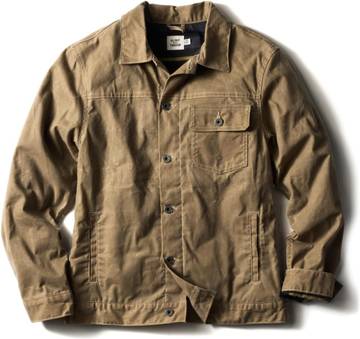 ExcellentFair Trade Certified™ SewingFSC Certified4.8 (890)
The Men's Iron Forge Hemp Canvas Barn Coat is an exceptionally durable, heavy-duty work jacket designed for tradespeople and laborers who demand longevity. As the best ethical work jacket for heavy labor, it utilizes a proprietary hemp blend that outperforms traditional cotton canvas in abrasion resistance while maintaining Fair Trade standards.
- 5
 ExcellentB CorpVeganFair Trade4.9 (125)
The Opera Campi Men's Hemp & Organic Cotton Suit Jacket is the best sustainable blazer for summer weddings and professional events. Handcrafted in Italy using patented 'Herclay' technology, this jacket offers thermal regulation and carbon-negative hemp fibers. It is a high-performance, ethical alternative to traditional wool or synthetic suits.
- 6
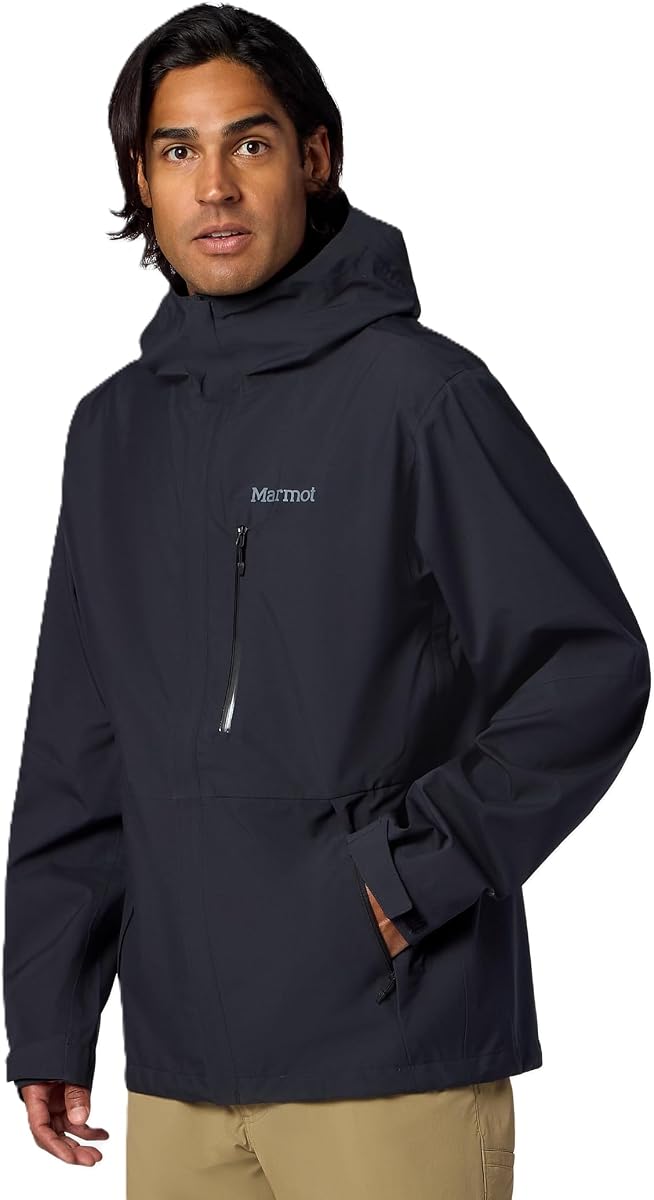 Excellentbluesign® certifiedFair Trade Certified™ sewnUSDA Organic for the fabric4.5 (987)
The Patagonia Torrentshell 3L Rain Jacket is a durable and sustainable rain jacket designed for outdoor enthusiasts. It's made with recycled materials and is bluesign® certified. It's best for hikers, backpackers, and anyone looking for a reliable and eco-friendly rain jacket.
- 7
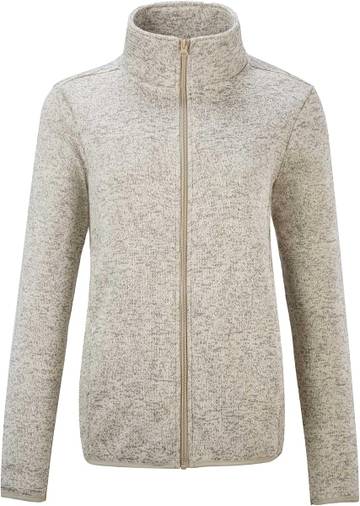 ExcellentFair TradeB CorpBluesign Approved4.8 (14,500)
An iconic mid-layer fleece made from 100% recycled polyester, dyed with a low-impact process that reduces water and energy consumption.
- 8
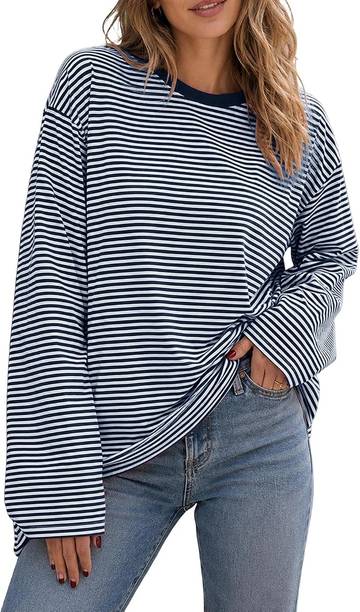 ExcellentFair Trade CertifiedOrganic Cotton4.8 (1,200)
The Pact Apparel Classic Crew is a staple women's basic cotton t-shirt, perfect for anyone seeking soft, durable, and eco-friendly essentials. Made from 100% organic cotton, this tee is certified Fair Trade and promotes sustainable agriculture and fair labor practices.
- 9
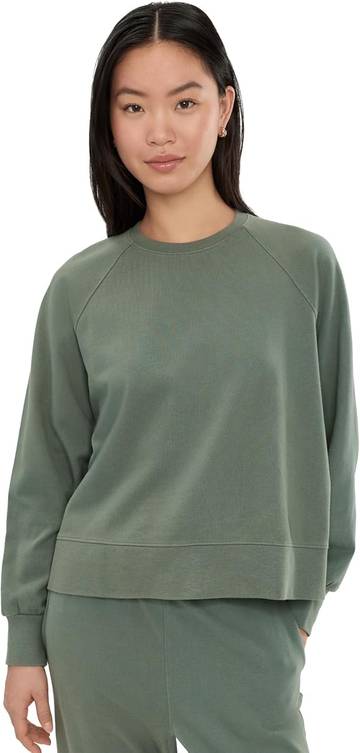 ExcellentFair TradeUSDA OrganicGlobal Organic Textile Standard4.8 (1,250)
A cozy, medium-weight sweatshirt made from 100% GOTS-certified organic cotton in a Fair Trade USA factory.
- 10
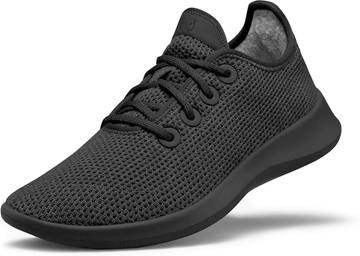 ExcellentB CorpFSC CertifiedRegenerative Organic Certified4.8 (14,200)
Lightweight, breathable sneakers made from FSC-certified eucalyptus tree fiber and sugarcane-based 'SweetFoam' soles.
TL;DR
The best ethical fashion & apparel in 2026 is Chacabuco Backpack 28L by Patagonia, with an ethics score of 97/100 backed by B Corp, Fair Trade, 1% For The Planet. Followed by Classic 5-Pocket Recycled Jean, The Re-Down Kids' Puffer, Men's Iron Forge Hemp Canvas Barn Coat.
How we rank fashion & apparel
Every product earns an ethics score from 0–100 based on third-party certifications (B Corp, Leaping Bunny, USDA Organic, Fair Trade, etc.), ingredient and material safety, supply-chain transparency, packaging sustainability, and brand-level practices. We do not accept payment for placement — rankings are derived entirely from the underlying data.
Frequently asked about ethical fashion & apparel
What is the best ethical fashion & apparel in 2026?+
Chacabuco Backpack 28L by Patagonia tops our ranking with an ethics score of 97/100.
How are these fashion & apparel products ranked?+
Each product earns a 0–100 ethics score weighted across third-party certifications, ingredient and material safety, supply-chain transparency, packaging sustainability and brand-level ethics.
Are these products vegan and cruelty-free?+
Many carry Vegan and Leaping Bunny certifications. Each listing shows the verified certifications so you can filter by vegan, cruelty-free, organic or fair-trade specifically.
Keep exploring
Choosing fashion & apparel for your needs
Fit and use: Check garment measurements rather than size names, plus stretch, layering and the return window. A good fit helps avoid an unused purchase.
Composition and care: Read exact fibre percentages and washing instructions. Organic content, recycled content and restricted-substance testing are separate claims.
Construction: Inspect seams, closures and repair options. Include specialist cleaning and alterations in the likely cost of ownership.
How we rank ethical fashion & apparel
Every product in this fashion & apparel ranking is scored on the same five-part framework, so a mass-market brand and a small independent maker are judged by identical evidence rather than by how sustainable their branding looks. We start from certifications and full ingredient or material disclosure, then layer sourcing, packaging and brand-level conduct on top.
Scores are relative to what is realistically available in fashion & apparel today, not to a theoretical ideal. A category where most products are still mixed-material and undisclosed will show lower absolute scores than one with mature certification schemes — which is exactly the signal you want when comparing across categories.
Rankings refresh as new products are verified, certificates expire, or controversies are documented. If a product drops, the reason is visible on its page rather than quietly edited out of the list.
What to look for when buying fashion & apparel
Start with the claim that is easiest to verify. In fashion & apparel, that usually means a named certification with a public register, followed by a complete ingredient or material list. Anything left vague on the label — "natural", "eco", "responsibly made" — should be treated as unverified until a document backs it.
Then check the practical details that decide whether an ethical purchase actually reduces impact: how long the product lasts, whether refills or spare parts exist, and whether the packaging can be recycled where you live. A certified product you replace twice as often is rarely the better choice.
Finally, compare unit price, not shelf price. Concentrates, refills and larger formats often make the higher-scoring option cheaper per use, which is where most of the "ethical costs more" assumption breaks down.
Scoring inputs for Fashion & Apparel
| Input | Weight | What earns points | What loses points |
|---|---|---|---|
| Certifications | Context-dependent | Current third-party audits with a lookup-able licence number | Self-declared logos, expired or out-of-scope certificates |
| Ingredients & materials | Context-dependent | Full disclosure, low-hazard inputs, recycled or organic fibre content | Undisclosed fragrance blends, virgin plastic, PFAS-treated fabric |
| Sourcing & labour | Context-dependent | Named suppliers, living-wage or fair-trade programmes, audit reports | Opaque supply chains, no factory disclosure, unresolved labour findings |
| Packaging & end of life | Context-dependent | Plastic-free, refillable, kerbside-recyclable, take-back schemes | Mixed-material sachets, oversized secondary packaging |
| Brand-level ethics | Context-dependent | Published impact data, B Corp or equivalent, clean controversy record | Greenwashing claims, parent-company conflicts, active controversies |
Before buying fashion & apparel
- Fit and useCheck garment measurements rather than size names, plus stretch, layering and the return window. A good fit helps avoid an unused purchase.
- Composition and careRead exact fibre percentages and washing instructions. Organic content, recycled content and restricted-substance testing are separate claims.
- ConstructionInspect seams, closures and repair options. Include specialist cleaning and alterations in the likely cost of ownership.
How to choose ethical fashion & apparel in five steps
- Set your budget band. Decide your realistic per-item spend for fashion & apparel first, then filter — it stops certification chasing from inflating the basket.
- Shortlist by verified claims. Keep only products whose key claim is backed by a third-party audit you can look up.
- Compare the disclosure. Between two similar scores, pick the brand that publishes more: suppliers, test results, impact data.
- Check durability and refills. Confirm the product lasts, or that refills and spares are actually sold in your market.
- Buy once, then re-check. Re-verify certificates at repurchase; standards lapse and formulations change.
Frequently asked
What makes fashion & apparel genuinely ethical rather than just marketed that way?+
Verifiable evidence: a current third-party certification with a public licence number, full ingredient or material disclosure, named suppliers, and packaging you can actually recycle or refill. Wording like "natural" or "eco-friendly" carries no audit behind it.
Does a higher ethics score always mean a better product to use?+
No. The score measures ethics and transparency, not performance. Use it to shortlist, then weigh performance, durability and cost per use — a product you replace twice as often usually undoes its ethical advantage.
How often is this fashion & apparel ranking updated?+
The ranking uses stored product scores and changes after records and caches are refreshed. It is not an instantaneous check of certification registers, formulations or recalls.
Why do some well-known brands rank lower here?+
Scale is not penalised, but opacity is. Large brands often decline to publish supplier lists, full fragrance disclosure or audit reports, and missing evidence cannot earn points even when practices may be adequate.