The Best Ethical Food & Nutrition in 2026
We scored every food & nutrition product in our database on certifications, ingredient transparency, sourcing, packaging and brand ethics. Here are the top 10, ranked by composite ethics score.
- 1
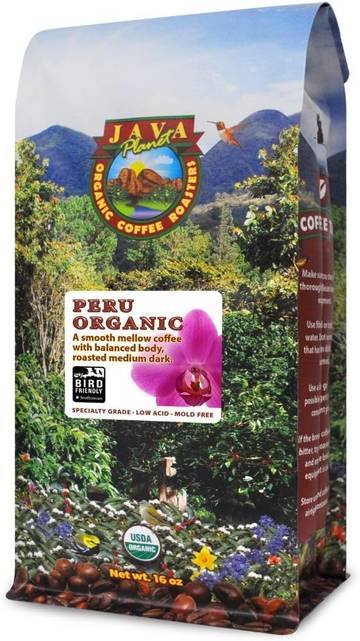 ExcellentUSDA OrganicB Corp CertifiedFair Trade4.8 (1,250)
Pachamama Coffee San Jose Poaquil is the best ethical coffee for flavor enthusiasts who want 100% farmer-owned transparency. This high-altitude Guatemalan roast offers a rich profile of chocolate and almond, ensuring that 100% of profits go directly back to the global cooperatives that grow the beans, setting a new gold standard for sustainable specialty coffee in 2026.
- 2
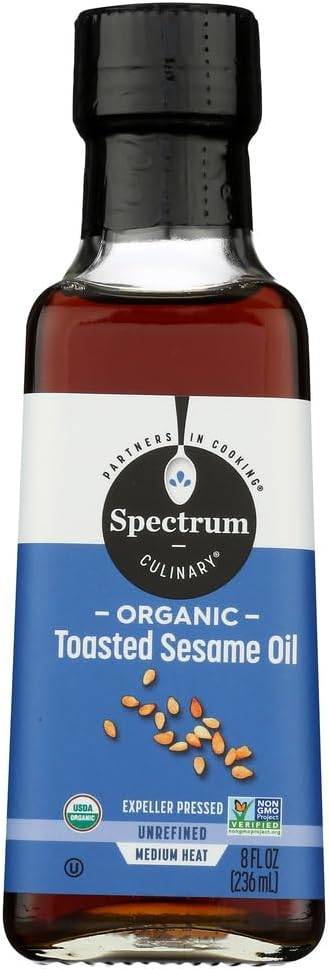 ExcellentUSDA OrganicRegenerative Organic CertifiedFair For LifeNon-GMO Project Verified+1 more4.8 (1,250)
Dr. Bronner's Regenerative Organic Certified Toasted Sesame Oil is the best ethical cooking oil for health-conscious chefs seeking climate-positive ingredients. This artisanal oil supports soil health and fair wages, outperforming standard grocery brands in both flavor profile and environmental impact through its strict adherence to regenerative agriculture standards and fair trade labor practices.
- 3
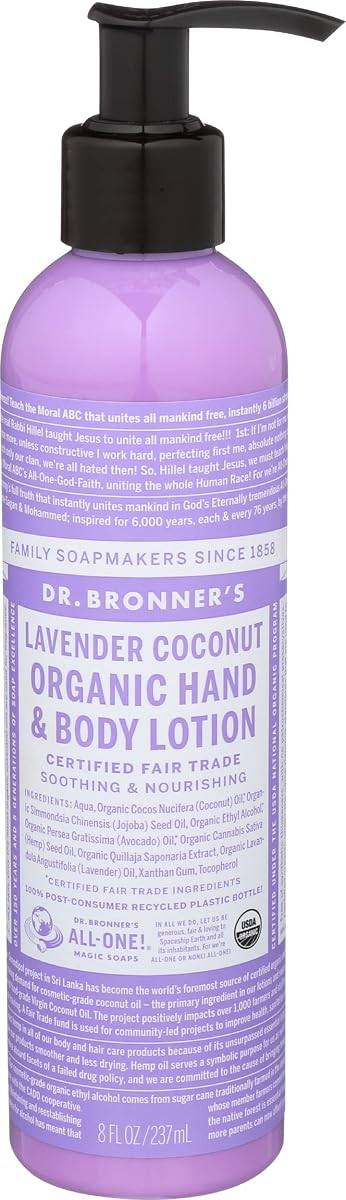 ExcellentUSDA OrganicFair TradeNon-GMOVegan+1 more4.8 (12,400)
A culinary-grade, fair-trade virgin coconut oil produced through regenerative organic farming that restores soil health.
- 4ExcellentUSDA OrganicFair TradeRegenerative Organic CertifiedNon-GMO+1 more4.8 (4,200)
A gold-standard ethical pantry staple produced through regenerative practices that revitalize soil and support small-scale farmers in Sri Lanka.
- 5
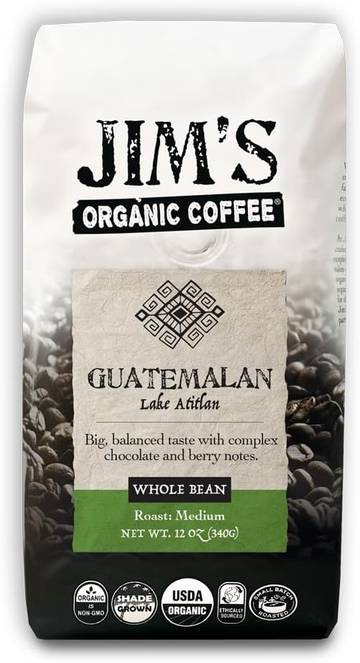 ExcellentUSDA OrganicFair TradeB Corp4.8 (1,240)
Pachamama Coffee Single Origin is the best ethical coffee for environmentally conscious drinkers seeking a 100% farmer-owned cooperative model. This sustainable coffee bean brand by Pachamama ensures that every dollar of profit returns directly to the smallholder farmers, offering a unique global partnership that prioritizes social equity and regenerative agricultural practices across their various origin sites in 2026.
- 6
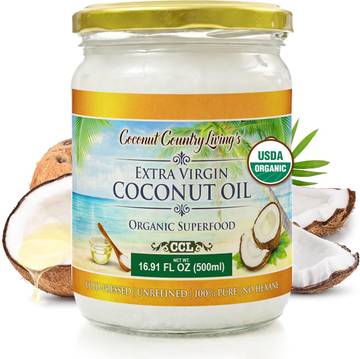 ExcellentUSDA OrganicFair TradeNon-GMOB Corp4.8 (8,450)
Extracted from fresh Sri Lankan coconuts, this Fair Trade oil sets the gold standard for regenerative organic agriculture and ethical labor practices.
- 7
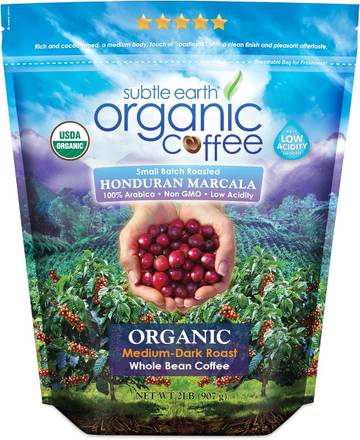 ExcellentUSDA OrganicFair TradeB CorpBird Friendly4.8 (1,250)
The Organic Ethos Whole Bean Coffee is a medium-roast blend best for conscious consumers seeking the best ethical coffee for daily home brewing. This shade-grown specialty coffee ensures 100% farmer equity and environmental restoration through regenerative practices. As of 2026, it remains a gold standard for transparency, outperforming most category peers on supply chain traceability and carbon sequestration efforts.
- 8
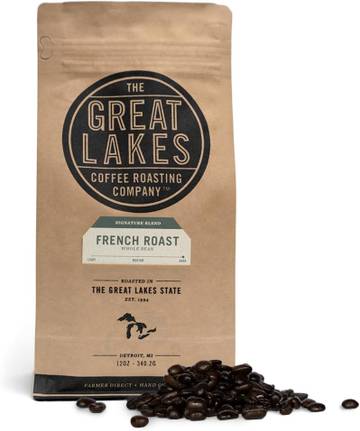 ExcellentUSDA OrganicFair TradeB Corp4.7 (8,450)
The Equal Exchange Organic Ethically Sourced Coffee is a dark-roast whole bean coffee best for eco-conscious drinkers seeking a deep, smokey flavor profile. This ethical coffee selection supports small-scale farmer cooperatives globally while ensuring 100% pesticide-free cultivation. As a top-rated sustainable dark roast coffee for home brewing, it avoids the exploitative labor practices common in large-scale industrial coffee plantations.
- 9
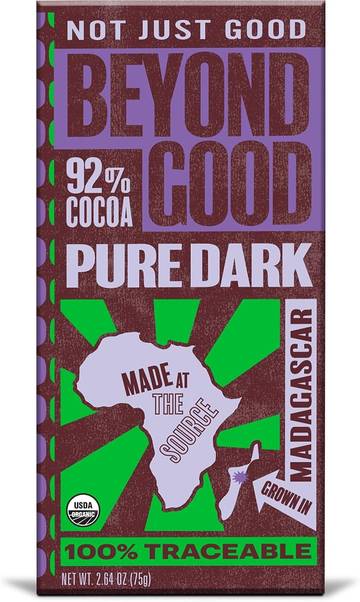 ExcellentB Corp CertifiedFair Trade USAUSDA OrganicNon-GMO Project Verified4.8 (3,200)
This Organic Ethically Sourced Dark Chocolate Bar by Alter Eco is the best ethical food gift for conscious consumers wanting carbon-neutral indulgence. As the premier ethical dark chocolate for regenerative agriculture supporters, it combines deep Peruvian cacao with compostable packaging, ensuring your snack supports reforestation and fair wages while outperforming most category peers on carbon sequestration metrics in 2026.
- 10
 ExcellentUSDA OrganicDirect TradeNon-GMO Project VerifiedVegan4.7 (1,250)
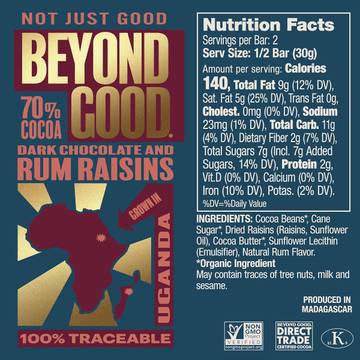
Beyond Good Single Origin Classic Dark Chocolate is a premium 70% cocoa bar that is the best ethical dark chocolate for baking and snacking. This Madagascar-sourced bar sets the standard for supply chain transparency by manufacturing products at the source in Africa to keep high-value skills and profits within local communities through 2026.
TL;DR
The best ethical food & nutrition in 2026 is Single Origin Coffee San Jose Poaquil by Pachamama Coffee, with an ethics score of 98/100 backed by USDA Organic, B Corp Certified, Fair Trade. Followed by Regenerative Organic Certified Toasted Sesame Oil, Dr. Bronner's Regenerative Organic Coconut Oil, Dr. Bronner's Regenerative Organic Coconut Oil (Whole Kernel).
How we rank food & nutrition
Every product earns an ethics score from 0–100 based on third-party certifications (B Corp, Leaping Bunny, USDA Organic, Fair Trade, etc.), ingredient and material safety, supply-chain transparency, packaging sustainability, and brand-level practices. We do not accept payment for placement — rankings are derived entirely from the underlying data.
Frequently asked about ethical food & nutrition
What is the best ethical food & nutrition in 2026?+
Single Origin Coffee San Jose Poaquil by Pachamama Coffee tops our ranking with an ethics score of 98/100.
How are these food & nutrition products ranked?+
Each product earns a 0–100 ethics score weighted across third-party certifications, ingredient and material safety, supply-chain transparency, packaging sustainability and brand-level ethics.
Are these products vegan and cruelty-free?+
Many carry Vegan and Leaping Bunny certifications. Each listing shows the verified certifications so you can filter by vegan, cruelty-free, organic or fair-trade specifically.
Keep exploring
Choosing food & nutrition for your needs
Serving and dietary needs: Compare nutrition per serving and per 100 g, check allergens and distinguish a dietary preference from a medical restriction.
Organic versus nutrition: Organic certification concerns production and handling rules. It does not establish that a food is nutritionally superior or suitable for a particular condition.
Waste and storage: Match pack size to your consumption rate and storage space. Include delivery charges and the likelihood of spoilage when comparing unit prices.
How we rank ethical food & nutrition
Every product in this food & nutrition ranking is scored on the same five-part framework, so a mass-market brand and a small independent maker are judged by identical evidence rather than by how sustainable their branding looks. We start from certifications and full ingredient or material disclosure, then layer sourcing, packaging and brand-level conduct on top.
Scores are relative to what is realistically available in food & nutrition today, not to a theoretical ideal. A category where most products are still mixed-material and undisclosed will show lower absolute scores than one with mature certification schemes — which is exactly the signal you want when comparing across categories.
Rankings refresh as new products are verified, certificates expire, or controversies are documented. If a product drops, the reason is visible on its page rather than quietly edited out of the list.
What to look for when buying food & nutrition
Start with the claim that is easiest to verify. In food & nutrition, that usually means a named certification with a public register, followed by a complete ingredient or material list. Anything left vague on the label — "natural", "eco", "responsibly made" — should be treated as unverified until a document backs it.
Then check the practical details that decide whether an ethical purchase actually reduces impact: how long the product lasts, whether refills or spare parts exist, and whether the packaging can be recycled where you live. A certified product you replace twice as often is rarely the better choice.
Finally, compare unit price, not shelf price. Concentrates, refills and larger formats often make the higher-scoring option cheaper per use, which is where most of the "ethical costs more" assumption breaks down.
Scoring inputs for Food & Nutrition
| Input | Weight | What earns points | What loses points |
|---|---|---|---|
| Certifications | Context-dependent | Current third-party audits with a lookup-able licence number | Self-declared logos, expired or out-of-scope certificates |
| Ingredients & materials | Context-dependent | Full disclosure, low-hazard inputs, recycled or organic fibre content | Undisclosed fragrance blends, virgin plastic, PFAS-treated fabric |
| Sourcing & labour | Context-dependent | Named suppliers, living-wage or fair-trade programmes, audit reports | Opaque supply chains, no factory disclosure, unresolved labour findings |
| Packaging & end of life | Context-dependent | Plastic-free, refillable, kerbside-recyclable, take-back schemes | Mixed-material sachets, oversized secondary packaging |
| Brand-level ethics | Context-dependent | Published impact data, B Corp or equivalent, clean controversy record | Greenwashing claims, parent-company conflicts, active controversies |
Before buying food & nutrition
- Serving and dietary needsCompare nutrition per serving and per 100 g, check allergens and distinguish a dietary preference from a medical restriction.
- Organic versus nutritionOrganic certification concerns production and handling rules. It does not establish that a food is nutritionally superior or suitable for a particular condition.
- Waste and storageMatch pack size to your consumption rate and storage space. Include delivery charges and the likelihood of spoilage when comparing unit prices.
How to choose ethical food & nutrition in five steps
- Set your budget band. Decide your realistic per-item spend for food & nutrition first, then filter — it stops certification chasing from inflating the basket.
- Shortlist by verified claims. Keep only products whose key claim is backed by a third-party audit you can look up.
- Compare the disclosure. Between two similar scores, pick the brand that publishes more: suppliers, test results, impact data.
- Check durability and refills. Confirm the product lasts, or that refills and spares are actually sold in your market.
- Buy once, then re-check. Re-verify certificates at repurchase; standards lapse and formulations change.
Frequently asked
What makes food & nutrition genuinely ethical rather than just marketed that way?+
Verifiable evidence: a current third-party certification with a public licence number, full ingredient or material disclosure, named suppliers, and packaging you can actually recycle or refill. Wording like "natural" or "eco-friendly" carries no audit behind it.
Does a higher ethics score always mean a better product to use?+
No. The score measures ethics and transparency, not performance. Use it to shortlist, then weigh performance, durability and cost per use — a product you replace twice as often usually undoes its ethical advantage.
How often is this food & nutrition ranking updated?+
The ranking uses stored product scores and changes after records and caches are refreshed. It is not an instantaneous check of certification registers, formulations or recalls.
Why do some well-known brands rank lower here?+
Scale is not penalised, but opacity is. Large brands often decline to publish supplier lists, full fragrance disclosure or audit reports, and missing evidence cannot earn points even when practices may be adequate.