The Best Ethical Toys & Games in 2026
We scored every toys & games product in our database on certifications, ingredient transparency, sourcing, packaging and brand ethics. Here are the top 10, ranked by composite ethics score.
- 1
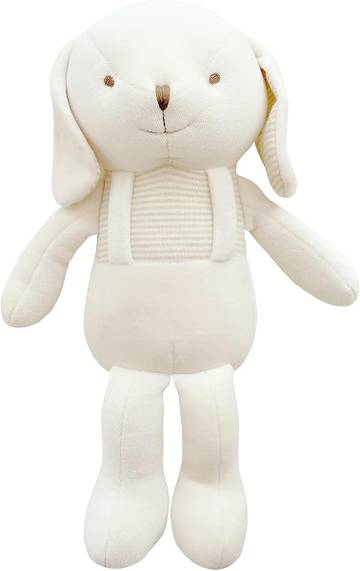 ExcellentB CorpFair TradeUSDA Organic4.9 (850)
A luxuriously soft plush toy hand-sewn from GOTS certified organic cotton, providing safe labor and supporting global reforestation.
- 2
 ExcellentFair TradeGOTS OrganicB Corp4.8 (1,240)
A premium, hand-crafted security blanket made from 100% Egyptian organic cotton under Fair Trade standards, perfect for infants with sensitive skin.
- 3
 ExcellentFSC CertifiedB Corp Certified4.9 (1,250)
Uncle Goose Classic ABC Blocks are the best ethical wooden blocks for toddlers, handcrafted in the USA using sustainable basswood. These traditional toys provide a screen-free developmental experience while maintaining the highest levels of environmental stewardship through 2026. They are ideal for parents seeking plastic-free nursery essentials that prioritize local craftsmanship and non-toxic finishes.
- 4
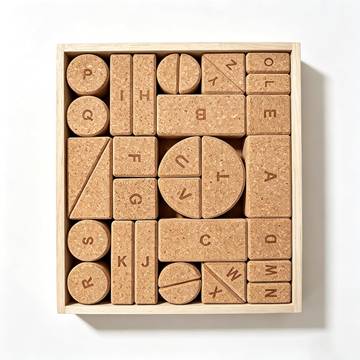 ExcellentVeganB Corp CertifiedClimate Neutral Certified4.7 (320)
The Korko Natural Cork Building Blocks (Essential Set) are the best sustainable cork blocks for quiet play, providing a carbon-negative alternative to traditional toys. These ethical building blocks for creative development offer a unique non-slip texture and lightweight design, making them exceptionally safe for younger children while supporting the biodiversity of Mediterranean cork oak forests.
- 5
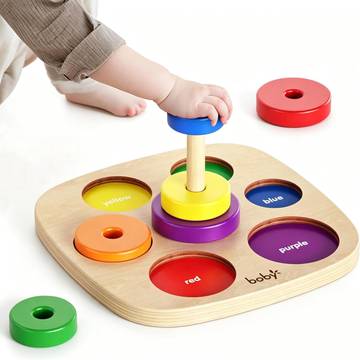 ExcellentVeganB CorpRainforest Alliance Certified4.6 (1,250)
The Merاةt & Friends Montessori Wooden Stacker & Sorting Rings by Pebble Toys fosters sensory learning and fine motor skills for toddlers aged 1-3. Handcrafted with eco-friendly materials, this toy supports Montessori principles.
- 6
 ExcellentGOTS CertifiedFair TradeCruelty-Free4.8 (8,500)
The Green Kid Crafts Montessori STEM Discovery Box is a monthly subscription box for kids aged 3 to 10, packed with non-toxic, eco-friendly activity kits and educational materials that encourage learning, creativity, and environmental awareness. It's perfect for parents seeking enriching, sustainable, and safe activities for their children.
- 7
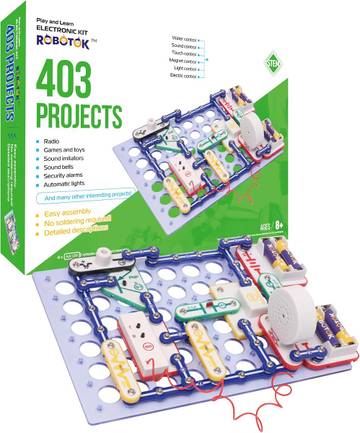 ExcellentB CorpFair TradeFSC Certified4.7 (7,800)
Discover Atoto's Sustainable Circuit Building Block Set, an innovative STEM learning toy designed for kids aged 6 and up. This eco-friendly toy encourages creativity and problem-solving while promoting sustainable practices. It's perfect for parents seeking educational toys that align with their environmental values.
- 8
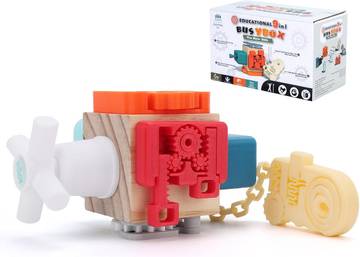
GreenSchools Co.
Montessori Wooden Busy Board & Activity Cube - Sustainable Learning Toy by GreenSchools Co.
$$ExcellentB CorpRainforest AllianceFSC Certified4.8 (2,225)GreenSchools Co.'s Montessori Woody Busy Board & Activity Cube is a sustainable learning toy, perfect for toddlers aged 12 to 36 months. Crafted from FSC-certified wood, this educational activity cubes boasts 2-in-1 design, ensuring hours of creative play and early skill development. Suitable for eco-conscious parents seeking eco-friendlyearly learning resources.
- 9
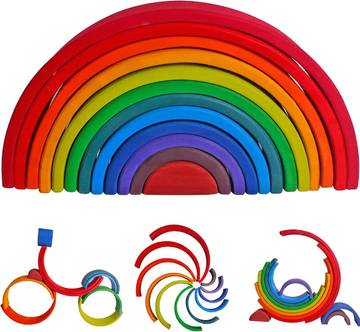 ExcellentGOTS CertifiedB CorpEWG Verified4.9 (1,500)
Finn & Emma’s Wooden Montessori Stacking & Nesting Blocks are described as five hollow wooden cubes, ranging from 1 to 4 inches, for open-ended stacking and nesting play. The supplied listing reports Peruvian wood sourcing, USA manufacture, and recycled, recyclable packaging, but age suitability, finish safety, and the scope of its sustainability certifications need verification.
- 10
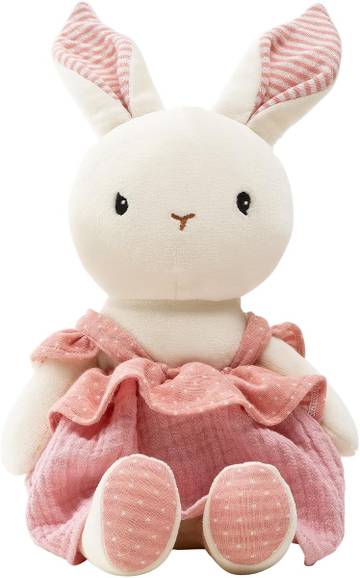 ExcellentFair TradeGOTS Organic4.8 (840)
A safe, carbon-neutral, and ethically manufactured soft doll made from 100% organic Egyptian cotton for babies and toddlers.
TL;DR
The best ethical toys & games in 2026 is Organic Cotton Cuddle Buddy by Bears for Humanity, with an ethics score of 96/100 backed by B Corp, Fair Trade, USDA Organic. Followed by Organic Cotton Teething Lovey, Classic ABC Blocks, Natural Cork Building Blocks (Essential Set).
How we rank toys & games
Every product earns an ethics score from 0–100 based on third-party certifications (B Corp, Leaping Bunny, USDA Organic, Fair Trade, etc.), ingredient and material safety, supply-chain transparency, packaging sustainability, and brand-level practices. We do not accept payment for placement — rankings are derived entirely from the underlying data.
Frequently asked about ethical toys & games
What is the best ethical toys & games in 2026?+
Organic Cotton Cuddle Buddy by Bears for Humanity tops our ranking with an ethics score of 96/100.
How are these toys & games products ranked?+
Each product earns a 0–100 ethics score weighted across third-party certifications, ingredient and material safety, supply-chain transparency, packaging sustainability and brand-level ethics.
Are these products vegan and cruelty-free?+
Many carry Vegan and Leaping Bunny certifications. Each listing shows the verified certifications so you can filter by vegan, cruelty-free, organic or fair-trade specifically.
Keep exploring
Choosing toys & games for your needs
Age and play style: Match the stated age range and rules to the player. Check small-parts warnings, player count and whether adult supervision is required.
Completeness and longevity: Check which pieces are included and whether replacements are available. Durable construction only helps if the toy remains usable when a piece is lost.
Material claims: A wood-sourcing certification does not establish paint safety or age suitability. Check those requirements separately for the exact toy.
How we rank ethical toys & games
Every product in this toys & games ranking is scored on the same five-part framework, so a mass-market brand and a small independent maker are judged by identical evidence rather than by how sustainable their branding looks. We start from certifications and full ingredient or material disclosure, then layer sourcing, packaging and brand-level conduct on top.
Scores are relative to what is realistically available in toys & games today, not to a theoretical ideal. A category where most products are still mixed-material and undisclosed will show lower absolute scores than one with mature certification schemes — which is exactly the signal you want when comparing across categories.
Rankings refresh as new products are verified, certificates expire, or controversies are documented. If a product drops, the reason is visible on its page rather than quietly edited out of the list.
What to look for when buying toys & games
Start with the claim that is easiest to verify. In toys & games, that usually means a named certification with a public register, followed by a complete ingredient or material list. Anything left vague on the label — "natural", "eco", "responsibly made" — should be treated as unverified until a document backs it.
Then check the practical details that decide whether an ethical purchase actually reduces impact: how long the product lasts, whether refills or spare parts exist, and whether the packaging can be recycled where you live. A certified product you replace twice as often is rarely the better choice.
Finally, compare unit price, not shelf price. Concentrates, refills and larger formats often make the higher-scoring option cheaper per use, which is where most of the "ethical costs more" assumption breaks down.
Scoring inputs for Toys & Games
| Input | Weight | What earns points | What loses points |
|---|---|---|---|
| Certifications | Context-dependent | Current third-party audits with a lookup-able licence number | Self-declared logos, expired or out-of-scope certificates |
| Ingredients & materials | Context-dependent | Full disclosure, low-hazard inputs, recycled or organic fibre content | Undisclosed fragrance blends, virgin plastic, PFAS-treated fabric |
| Sourcing & labour | Context-dependent | Named suppliers, living-wage or fair-trade programmes, audit reports | Opaque supply chains, no factory disclosure, unresolved labour findings |
| Packaging & end of life | Context-dependent | Plastic-free, refillable, kerbside-recyclable, take-back schemes | Mixed-material sachets, oversized secondary packaging |
| Brand-level ethics | Context-dependent | Published impact data, B Corp or equivalent, clean controversy record | Greenwashing claims, parent-company conflicts, active controversies |
Before buying toys & games
- Age and play styleMatch the stated age range and rules to the player. Check small-parts warnings, player count and whether adult supervision is required.
- Completeness and longevityCheck which pieces are included and whether replacements are available. Durable construction only helps if the toy remains usable when a piece is lost.
- Material claimsA wood-sourcing certification does not establish paint safety or age suitability. Check those requirements separately for the exact toy.
How to choose ethical toys & games in five steps
- Set your budget band. Decide your realistic per-item spend for toys & games first, then filter — it stops certification chasing from inflating the basket.
- Shortlist by verified claims. Keep only products whose key claim is backed by a third-party audit you can look up.
- Compare the disclosure. Between two similar scores, pick the brand that publishes more: suppliers, test results, impact data.
- Check durability and refills. Confirm the product lasts, or that refills and spares are actually sold in your market.
- Buy once, then re-check. Re-verify certificates at repurchase; standards lapse and formulations change.
Frequently asked
What makes toys & games genuinely ethical rather than just marketed that way?+
Verifiable evidence: a current third-party certification with a public licence number, full ingredient or material disclosure, named suppliers, and packaging you can actually recycle or refill. Wording like "natural" or "eco-friendly" carries no audit behind it.
Does a higher ethics score always mean a better product to use?+
No. The score measures ethics and transparency, not performance. Use it to shortlist, then weigh performance, durability and cost per use — a product you replace twice as often usually undoes its ethical advantage.
How often is this toys & games ranking updated?+
The ranking uses stored product scores and changes after records and caches are refreshed. It is not an instantaneous check of certification registers, formulations or recalls.
Why do some well-known brands rank lower here?+
Scale is not penalised, but opacity is. Large brands often decline to publish supplier lists, full fragrance disclosure or audit reports, and missing evidence cannot earn points even when practices may be adequate.