Coca-Cola
Coca-Cola offers 1 product on RevWix across Food & Nutrition, with an average ethics score of 58/10.
Ethics breakdown
Average scores across our scoring pillars.
- Animal Welfare90/10
- Labor65/10
- Sourcing60/10
- Transparency55/10
- Environment50/10
Categories covered
Where Coca-Cola shows up across our directory.
- Food & Nutrition1
What reviewers highlight
Strengths mentioned most often across Coca-Cola's products.
- ✓Widely available familiar flavor profile
- ✓Convenient single-serve cans for fridges and events
- ✓Aluminum cans are widely recyclable in many areas
Sustainability commitments
"No product-level sustainability certifications listed. Coca-Cola the company runs packaging and water stewardship programs (e.g., "World Without Waste" packaging targets and water replenishment initiatives). Packaging is aluminum cans, which are widely recyclable where curbside recycling exists; local recycling rates vary. Product itself is not sold as a refillable keg or concentrate for keg systems."
Coca-Cola scores & reviews
Product scorecard
| # | Product | Ethics | Shopper rating | Price |
|---|---|---|---|---|
| 1 | Classic Cola Soft Drink | 58 | — | $ |
Products from Coca-Cola
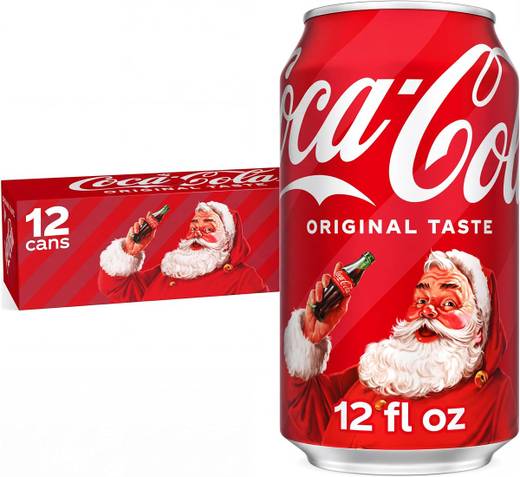
Coca-Cola 12 pack cans are a classic cola soft drink suited for casual consumers and gatherings who want a familiar, carbonated beverage. Each 12 fl oz can contains the standard Coca-Cola recipe and is convenient for fridges, parties, or single-serve use. Best choice when you need widely available canned cola instead of a keg or syrup system.
How to read Coca-Cola's ethics scores
Each Coca-Cola product on this page carries a 0–100 score built from four checkable inputs: active third-party certifications, disclosed ingredients or materials, published supply-chain information, and the brand's watchdog record. Nothing here is based on Coca-Cola's own marketing language.
The spread matters as much as the top score. If Coca-Cola's highest and lowest products sit far apart, verification is being applied to some lines and not others — common when a company certifies a flagship range and leaves the rest undocumented. A narrow spread, even at a moderate average, usually signals a consistent policy.
Scores can move without any editorial change, because certification status is re-checked as pages refresh. A lapsed certificate, a new audit or a recall notice will all show up in the product's certification and notes sections.
Questions worth asking before buying Coca-Cola
Start with ownership: a parent company's testing or sourcing policy can change what a claim on the packaging actually covers. Then check scope — a certification often applies to one fibre, facility or ingredient rather than the whole product.
Finally, compare within the category rather than against Coca-Cola's own range. A mid-scoring product can still be the strongest verified option at its price, and a high-scoring one can be beaten by a cheaper certified alternative.
What each score input covers
| Input | What we check | Why it matters |
|---|---|---|
| Certifications | Active listings in public registers, with scope and expiry | Only externally audited claims can be revoked |
| Ingredients & materials | Full disclosure, hazard flags, recycled or organic content | Comparable without trusting brand narrative |
| Transparency | Named suppliers, factories or audit summaries | Shows whether claims survive scrutiny |
| Record | Recalls, regulator rulings and greenwashing findings | Best short-term signal of quality control |
Buying Coca-Cola with confidence
- Verify the mark, not the adjectiveSearch the certifier's register for the exact product line.
- Check the parent companyOwnership changes what cruelty-free or organic claims cover.
- Compare in-categoryThe same score means different things across categories.
- Read open notes firstAn unresolved recall outweighs a few score points.
Frequently asked
Is Coca-Cola an ethical brand?+
Coca-Cola's standing here is the average of its scored products, built only from verifiable inputs: active certifications, disclosed ingredients or materials, published supply-chain data and its recall or regulator record. Where a claim cannot be checked in a public register, it earns nothing.
Is Coca-Cola certified by third parties?+
Any certification we could confirm appears on the individual product cards above. Marks shown are matched to the certifier's own register; self-declared logos and internal awards are not counted.
Why do Coca-Cola products have different scores?+
Scores are per product, not per brand. Differences usually come from certification scope, ingredient or material disclosure, and packaging — a certified flagship can sit far above an undocumented line from the same company.
Are there better alternatives to Coca-Cola?+
Compare within the category rather than the brand: category rankings list the highest-scoring verified options at each price level, so you can see whether a cheaper certified alternative beats the Coca-Cola product you were considering.