Kutani
Kutani offers 2 products on RevWix across Food & Nutrition, with an average ethics score of 79.5/10.
Ethics breakdown
Average scores across our scoring pillars.
- Labor87.5/10
- Sourcing83.5/10
- Environment76/10
- Transparency75/10
- Animal Welfare45/10
Categories covered
Where Kutani shows up across our directory.
- Food & Nutrition2
What reviewers highlight
Strengths mentioned most often across Kutani's products.
- ✓Vibrant design
- ✓High-quality craftsmanship
- ✓Versatile use
- ✓Authentic handcrafted Kutani ware made in Japan
- ✓Inert, non-toxic ceramic free from plastics and synthetic coatings
- ✓Wide base and balanced weight ideal for vigorous bamboo whisking
Sustainability commitments
"Handmade, supporting local artisans. Traditional craftsmanship reduces waste from mass production."
"Produced via traditional regional Japanese pottery methods supporting artisan craft traditions and heirloom-quality product longevity. Inert natural ceramics avoid plastic leaching and microplastic waste, although high-temperature kiln firing involves notable energy usage."
Kutani scores & reviews
Product scorecard
| # | Product | Ethics | Shopper rating | Price |
|---|---|---|---|---|
| 1 | Kutani Japanese Matcha Bowl Rabbit YAKI | 80 | 4.8(536) | $52.00 |
| 2 | Japanese Matcha Bowl Rabbit Yaki Chawan | 79 | 4.8(536) | $52.00 |
Products from Kutani
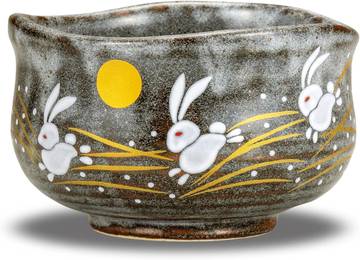
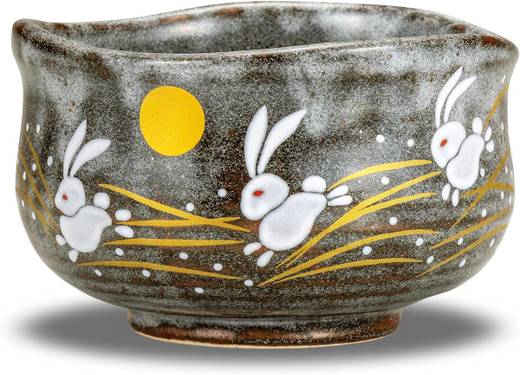
The Kutani Matcha Bowl is a handmade, authentic Japanese matcha bowl made from high-quality Kutani Ware, known for its vibrant glazes. Perfect for both traditional tea ceremonies and daily use.
This authentic matcha bowl chawan provides a handcrafted ceramic vessel designed for traditional Japanese tea ceremonies and daily mindful preparation. Made by Kutani artisans in Ishikawa, Japan, it features lead-free glazed stoneware adorned with an understated rabbit motif, combining heritage craftsmanship, long-lasting durability, and non-toxic food-safe materials for discerning green tea enthusiasts.
How to read Kutani's ethics scores
Each Kutani product on this page carries a 0–100 score built from four checkable inputs: active third-party certifications, disclosed ingredients or materials, published supply-chain information, and the brand's watchdog record. Nothing here is based on Kutani's own marketing language.
The spread matters as much as the top score. If Kutani's highest and lowest products sit far apart, verification is being applied to some lines and not others — common when a company certifies a flagship range and leaves the rest undocumented. A narrow spread, even at a moderate average, usually signals a consistent policy.
Scores can move without any editorial change, because certification status is re-checked as pages refresh. A lapsed certificate, a new audit or a recall notice will all show up in the product's certification and notes sections.
Questions worth asking before buying Kutani
Start with ownership: a parent company's testing or sourcing policy can change what a claim on the packaging actually covers. Then check scope — a certification often applies to one fibre, facility or ingredient rather than the whole product.
Finally, compare within the category rather than against Kutani's own range. A mid-scoring product can still be the strongest verified option at its price, and a high-scoring one can be beaten by a cheaper certified alternative.
What each score input covers
| Input | What we check | Why it matters |
|---|---|---|
| Certifications | Active listings in public registers, with scope and expiry | Only externally audited claims can be revoked |
| Ingredients & materials | Full disclosure, hazard flags, recycled or organic content | Comparable without trusting brand narrative |
| Transparency | Named suppliers, factories or audit summaries | Shows whether claims survive scrutiny |
| Record | Recalls, regulator rulings and greenwashing findings | Best short-term signal of quality control |
Buying Kutani with confidence
- Verify the mark, not the adjectiveSearch the certifier's register for the exact product line.
- Check the parent companyOwnership changes what cruelty-free or organic claims cover.
- Compare in-categoryThe same score means different things across categories.
- Read open notes firstAn unresolved recall outweighs a few score points.
Frequently asked
Is Kutani an ethical brand?+
Kutani's standing here is the average of its scored products, built only from verifiable inputs: active certifications, disclosed ingredients or materials, published supply-chain data and its recall or regulator record. Where a claim cannot be checked in a public register, it earns nothing.
Is Kutani certified by third parties?+
Any certification we could confirm appears on the individual product cards above. Marks shown are matched to the certifier's own register; self-declared logos and internal awards are not counted.
Why do Kutani products have different scores?+
Scores are per product, not per brand. Differences usually come from certification scope, ingredient or material disclosure, and packaging — a certified flagship can sit far above an undocumented line from the same company.
Are there better alternatives to Kutani?+
Compare within the category rather than the brand: category rankings list the highest-scoring verified options at each price level, so you can see whether a cheaper certified alternative beats the Kutani product you were considering.