National Geographic
National Geographic offers 5 products on RevWix across Books & Media, Gifts & Seasonal, Arts & Crafts, with an average ethics score of 79.8/10 and recurring certifications including FSC Certified, Rainforest Alliance, Non-Toxic.
Standards & certifications
Verified credentials appearing across National Geographic's product range.
Ethics breakdown
Average scores across our scoring pillars.
- Animal Welfare57/10
- Environment51.2/10
- Sourcing48.4/10
- Labor43.6/10
- Transparency42.4/10
Categories covered
Where National Geographic shows up across our directory.
- Books & Media2
- Gifts & Seasonal1
- Arts & Crafts1
- Toys & Games1
What reviewers highlight
Strengths mentioned most often across National Geographic's products.
- ✓Stunning visuals
- ✓Engaging information
- ✓Perfect for homeschool or classroom use
- ✓Encourages curiosity and learning
- ✓Includes a variety of science-themed activities
- ✓Helps foster a love for science and exploration
Sustainability commitments
"Printed on FSC-certified paper."
"The activities and experiments included in the calendar encourage kids to explore science using everyday items, promoting recycling and upcycling. Additionally, National Geographic is committed to sustainability, with initiatives such as the National Geographic Society's Planet or Plastic? campaign."
"FSC Certified paper, emphasis on plant-based and local ingredients reduces carbon footprint compared to meat-heavy cookbooks. Culturally authentic recipes encourage biodiversity through heirloom varieties."
Products from National Geographic
National Geographic
National Geographic Kids Ultimate Predatorpedia: The Most Complete Predator Reference Ever
$$National Geographic Kids Ultimate Predatorpedia is an invaluable reference for young explorers. Packed with stunning photos and fascinating facts, this book offers an in-depth look at the most fearsome creatures on Earth.
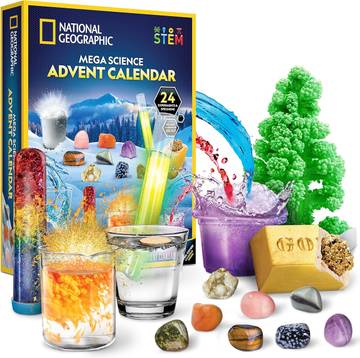
Discover the National Geographic 2026 Science Advent Calendar for Kids, an educational gift that combines fun and learning for curious minds aged 8 to 12. This STEM-focused calendar promotes investigative exploration and offers 24 days of engaging activities and surprises, aligning with National Geographic's commitment to inspire curiosity about the world. Suitable for both boys and girls, it brings the excitement of scientific discovery into their homes during the holiday season.
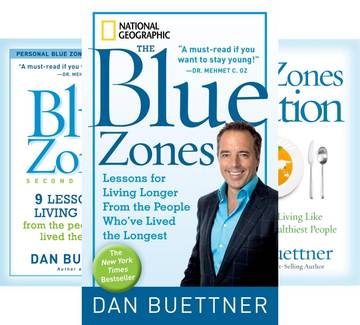
The Blue Zones Kitchen by National Geographic is a cookbook collecting 100 recipes from world longevity hotspots, best for health-conscious cooks seeking plant-forward, sustainable meals. This ethical cookbook focuses on whole foods, community eating traditions, and minimal environmental impact through regional, seasonal ingredients.

The National Geographic Pottery Wheel for Kids Complete Beginner Kit is an educational, beginner-friendly pottery wheel designed to teach children ages 8+ the fundamentals of wheel throwing, combining play with learning about geology and craftsmanship in a non-toxic, FSC-certified packaging.

The National Geographic Light-Up Dinosaur Terrarium Kit is an educational STEM toy that teaches kids ages 6+ about ecosystems through hands-on DIY play, best for families seeking sustainable science gifts. This dinosaur terrarium kit includes real plants and gemstones, a built-in night light, and a fully enclosed habitat that brings prehistoric learning to life.
How to read National Geographic's ethics scores
Each National Geographic product on this page carries a 0–100 score built from four checkable inputs: active third-party certifications, disclosed ingredients or materials, published supply-chain information, and the brand's watchdog record. Nothing here is based on National Geographic's own marketing language.
The spread matters as much as the top score. If National Geographic's highest and lowest products sit far apart, verification is being applied to some lines and not others — common when a company certifies a flagship range and leaves the rest undocumented. A narrow spread, even at a moderate average, usually signals a consistent policy.
Scores can move without any editorial change, because certification status is re-checked as pages refresh. A lapsed certificate, a new audit or a recall notice will all show up in the product's certification and notes sections.
Questions worth asking before buying National Geographic
Start with ownership: a parent company's testing or sourcing policy can change what a claim on the packaging actually covers. Then check scope — a certification often applies to one fibre, facility or ingredient rather than the whole product.
Finally, compare within the category rather than against National Geographic's own range. A mid-scoring product can still be the strongest verified option at its price, and a high-scoring one can be beaten by a cheaper certified alternative.
What each score input covers
| Input | What we check | Why it matters |
|---|---|---|
| Certifications | Active listings in public registers, with scope and expiry | Only externally audited claims can be revoked |
| Ingredients & materials | Full disclosure, hazard flags, recycled or organic content | Comparable without trusting brand narrative |
| Transparency | Named suppliers, factories or audit summaries | Shows whether claims survive scrutiny |
| Record | Recalls, regulator rulings and greenwashing findings | Best short-term signal of quality control |
Buying National Geographic with confidence
- Verify the mark, not the adjectiveSearch the certifier's register for the exact product line.
- Check the parent companyOwnership changes what cruelty-free or organic claims cover.
- Compare in-categoryThe same score means different things across categories.
- Read open notes firstAn unresolved recall outweighs a few score points.
Frequently asked
Is National Geographic an ethical brand?+
National Geographic's standing here is the average of its scored products, built only from verifiable inputs: active certifications, disclosed ingredients or materials, published supply-chain data and its recall or regulator record. Where a claim cannot be checked in a public register, it earns nothing.
Is National Geographic certified by third parties?+
Any certification we could confirm appears on the individual product cards above. Marks shown are matched to the certifier's own register; self-declared logos and internal awards are not counted.
Why do National Geographic products have different scores?+
Scores are per product, not per brand. Differences usually come from certification scope, ingredient or material disclosure, and packaging — a certified flagship can sit far above an undocumented line from the same company.
Are there better alternatives to National Geographic?+
Compare within the category rather than the brand: category rankings list the highest-scoring verified options at each price level, so you can see whether a cheaper certified alternative beats the National Geographic product you were considering.