Native
Native offers 1 product on RevWix across Beauty & Personal Care, with an average ethics score of 70/10.
Ethics breakdown
Average scores across our scoring pillars.
- Environment80/10
- Animal Welfare70/10
- Transparency65/10
- Sourcing60/10
- Labor55/10
Categories covered
Where Native shows up across our directory.
- Beauty & Personal Care1
What reviewers highlight
Strengths mentioned most often across Native's products.
- ✓Plastic-free refillable packaging
- ✓Aluminum-free formula
- ✓Long-lasting 100-hour claim
- ✓Widely available
Sustainability commitments
"The deodorant stick is plastic-free and refillable; refill packs use compostable or recyclable paper. Native states that their packaging is recyclable, but no third-party certification for the refill system. No public audit of ingredient sourcing."
Native scores & reviews
Product scorecard
| # | Product | Ethics | Shopper rating | Price |
|---|---|---|---|---|
| 1 | Aluminum-Free Deodorant - Coconut & Vanilla | 70 | 4.4(28,000) | $13.00 |
Products from Native
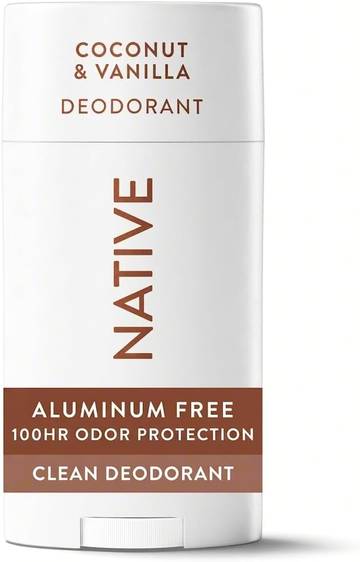
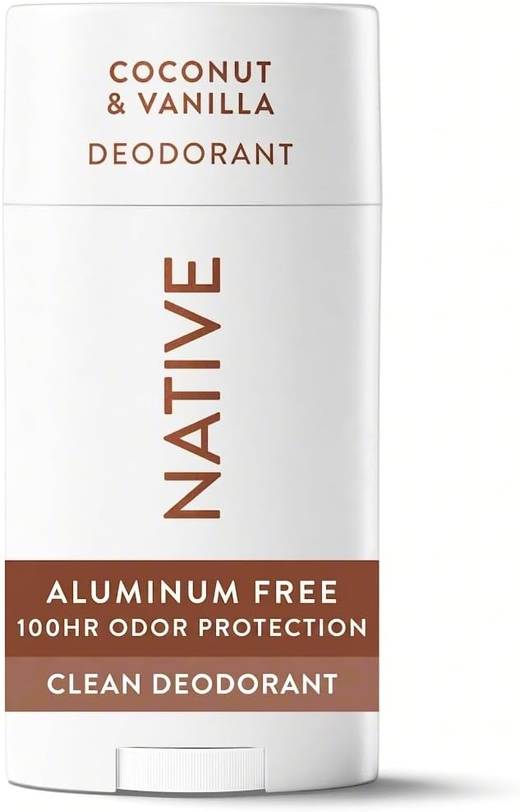
Native Aluminum-Free Deodorant in Coconut & Vanilla is a 100-hour odor protection deodorant for women and men. It contains naturally derived ingredients and comes in a plastic-free, refillable stick. Refill packs are available. Not certified organic or fair trade.
How to read Native's ethics scores
Each Native product on this page carries a 0–100 score built from four checkable inputs: active third-party certifications, disclosed ingredients or materials, published supply-chain information, and the brand's watchdog record. Nothing here is based on Native's own marketing language.
The spread matters as much as the top score. If Native's highest and lowest products sit far apart, verification is being applied to some lines and not others — common when a company certifies a flagship range and leaves the rest undocumented. A narrow spread, even at a moderate average, usually signals a consistent policy.
Scores can move without any editorial change, because certification status is re-checked as pages refresh. A lapsed certificate, a new audit or a recall notice will all show up in the product's certification and notes sections.
Questions worth asking before buying Native
Start with ownership: a parent company's testing or sourcing policy can change what a claim on the packaging actually covers. Then check scope — a certification often applies to one fibre, facility or ingredient rather than the whole product.
Finally, compare within the category rather than against Native's own range. A mid-scoring product can still be the strongest verified option at its price, and a high-scoring one can be beaten by a cheaper certified alternative.
What each score input covers
| Input | What we check | Why it matters |
|---|---|---|
| Certifications | Active listings in public registers, with scope and expiry | Only externally audited claims can be revoked |
| Ingredients & materials | Full disclosure, hazard flags, recycled or organic content | Comparable without trusting brand narrative |
| Transparency | Named suppliers, factories or audit summaries | Shows whether claims survive scrutiny |
| Record | Recalls, regulator rulings and greenwashing findings | Best short-term signal of quality control |
Buying Native with confidence
- Verify the mark, not the adjectiveSearch the certifier's register for the exact product line.
- Check the parent companyOwnership changes what cruelty-free or organic claims cover.
- Compare in-categoryThe same score means different things across categories.
- Read open notes firstAn unresolved recall outweighs a few score points.
Frequently asked
Is Native an ethical brand?+
Native's standing here is the average of its scored products, built only from verifiable inputs: active certifications, disclosed ingredients or materials, published supply-chain data and its recall or regulator record. Where a claim cannot be checked in a public register, it earns nothing.
Is Native certified by third parties?+
Any certification we could confirm appears on the individual product cards above. Marks shown are matched to the certifier's own register; self-declared logos and internal awards are not counted.
Why do Native products have different scores?+
Scores are per product, not per brand. Differences usually come from certification scope, ingredient or material disclosure, and packaging — a certified flagship can sit far above an undocumented line from the same company.
Are there better alternatives to Native?+
Compare within the category rather than the brand: category rankings list the highest-scoring verified options at each price level, so you can see whether a cheaper certified alternative beats the Native product you were considering.