/plain[s]
/plain[s] offers 1 product on RevWix across Food & Nutrition, with an average ethics score of 8/10 and recurring certifications including Rainforest Alliance.
Standards & certifications
Verified credentials appearing across /plain[s]'s product range.
Ethics breakdown
Average scores across our scoring pillars.
- Labor8/10
- Sourcing8/10
- Environment8/10
- Transparency8/10
- Animal Welfare7/10
Categories covered
Where /plain[s] shows up across our directory.
- Food & Nutrition1
What reviewers highlight
Strengths mentioned most often across /plain[s]'s products.
- ✓Sustainable farming practices
- ✓Traceable origin
- ✓Smooth flavor
Sustainability commitments
"Certified by the Rainforest Alliance, ensuring environmental protection and better livelihoods for farmers. The coffee is also traceable to its origin, promoting transparency and direct trade."
/plain[s] scores & reviews
Product scorecard
| # | Product | Ethics | Shopper rating | Price |
|---|---|---|---|---|
| 1 | /plain[s] Single-Origin Colombian Coffee - Medium Roast | 8 | — | $17.99 |
Products from /plain[s]
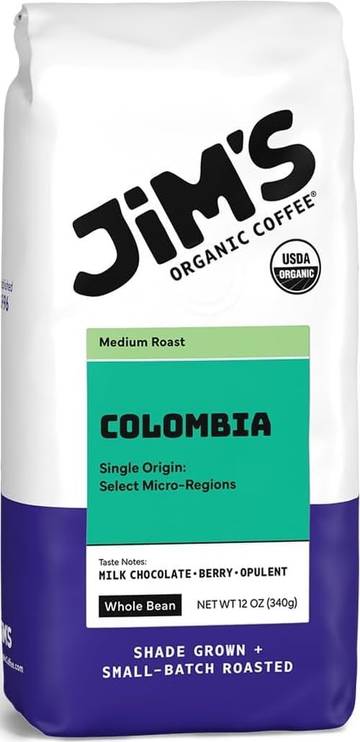
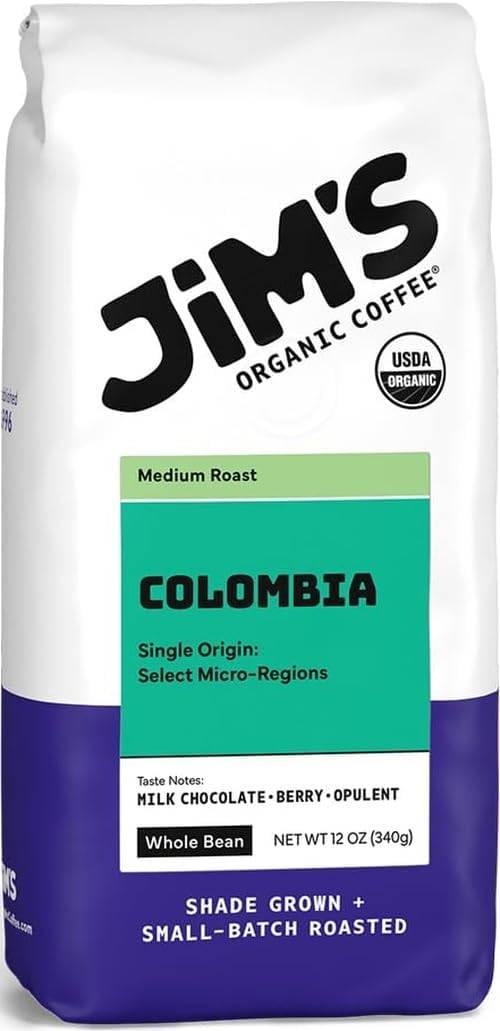
/plain[s]'s single-origin Colombian coffee is a medium roast that suits coffee enthusiasts who appreciate traceable, sustainably grown, and ethically sourced beans. This product supports farming communities and promotes biodiversity. Primary keyword: 'single-origin Colombian coffee', secondary keywords: 'sustainable coffee', 'traceable coffee', 'ethically sourced coffee', 'medium roast coffee', and 'Rainforest Alliance certified coffee'.
How to read /plain[s]'s ethics scores
Each /plain[s] product on this page carries a 0–100 score built from four checkable inputs: active third-party certifications, disclosed ingredients or materials, published supply-chain information, and the brand's watchdog record. Nothing here is based on /plain[s]'s own marketing language.
The spread matters as much as the top score. If /plain[s]'s highest and lowest products sit far apart, verification is being applied to some lines and not others — common when a company certifies a flagship range and leaves the rest undocumented. A narrow spread, even at a moderate average, usually signals a consistent policy.
Scores can move without any editorial change, because certification status is re-checked as pages refresh. A lapsed certificate, a new audit or a recall notice will all show up in the product's certification and notes sections.
Questions worth asking before buying /plain[s]
Start with ownership: a parent company's testing or sourcing policy can change what a claim on the packaging actually covers. Then check scope — a certification often applies to one fibre, facility or ingredient rather than the whole product.
Finally, compare within the category rather than against /plain[s]'s own range. A mid-scoring product can still be the strongest verified option at its price, and a high-scoring one can be beaten by a cheaper certified alternative.
What each score input covers
| Input | What we check | Why it matters |
|---|---|---|
| Certifications | Active listings in public registers, with scope and expiry | Only externally audited claims can be revoked |
| Ingredients & materials | Full disclosure, hazard flags, recycled or organic content | Comparable without trusting brand narrative |
| Transparency | Named suppliers, factories or audit summaries | Shows whether claims survive scrutiny |
| Record | Recalls, regulator rulings and greenwashing findings | Best short-term signal of quality control |
Buying /plain[s] with confidence
- Verify the mark, not the adjectiveSearch the certifier's register for the exact product line.
- Check the parent companyOwnership changes what cruelty-free or organic claims cover.
- Compare in-categoryThe same score means different things across categories.
- Read open notes firstAn unresolved recall outweighs a few score points.
Frequently asked
Is /plain[s] an ethical brand?+
/plain[s]'s standing here is the average of its scored products, built only from verifiable inputs: active certifications, disclosed ingredients or materials, published supply-chain data and its recall or regulator record. Where a claim cannot be checked in a public register, it earns nothing.
Is /plain[s] certified by third parties?+
Any certification we could confirm appears on the individual product cards above. Marks shown are matched to the certifier's own register; self-declared logos and internal awards are not counted.
Why do /plain[s] products have different scores?+
Scores are per product, not per brand. Differences usually come from certification scope, ingredient or material disclosure, and packaging — a certified flagship can sit far above an undocumented line from the same company.
Are there better alternatives to /plain[s]?+
Compare within the category rather than the brand: category rankings list the highest-scoring verified options at each price level, so you can see whether a cheaper certified alternative beats the /plain[s] product you were considering.