Sustainable Fabric Guide: From Best to Worst

8 min read·Updated June 28, 2026
Sustainable Fabric Guide: From Best to Worst

A practical, ranked guide to clothing fibers — what they're made of, what they impact, and which actually live up to the marketing.

In 2026, the global textile industry is undergoing a radical shift as consumers move beyond the 'fast fashion' mindset toward a more circular economy. We are no longer just looking for garments that look good; we are scrutinizing the very DNA of our clothing. The environmental cost of a single cotton t-shirt—estimated by water resource researchers to require approximately 2,700 liters of water—has become common knowledge, driving a demand for fibers that regenerate rather than deplete. The challenge, however, lies in the rise of 'greenwashing' where marketing buzzwords like 'natural' or 'eco-friendly' obscure the reality of complex supply chains.

At RevWix, we believe that true sustainability is measurable and site-specific. This guide is designed to cut through the noise, providing an authoritative ranking of fabrics based on their land use, chemical requirements, social equity indices, and end-of-life viability. Whether you are building a capsule wardrobe or sourcing materials for a small brand, understanding the delta between conventional synthetics and next-generation bio-fibers is the first step toward ethical consumption. We have analyzed certifications such as GOTS, FSC, and Fair Trade to provide a roadmap for the modern, conscious wearer.

The Gold Standard: Recycled and Regenerative Naturals

The Gold Standard: Recycled and Regenerative Naturals

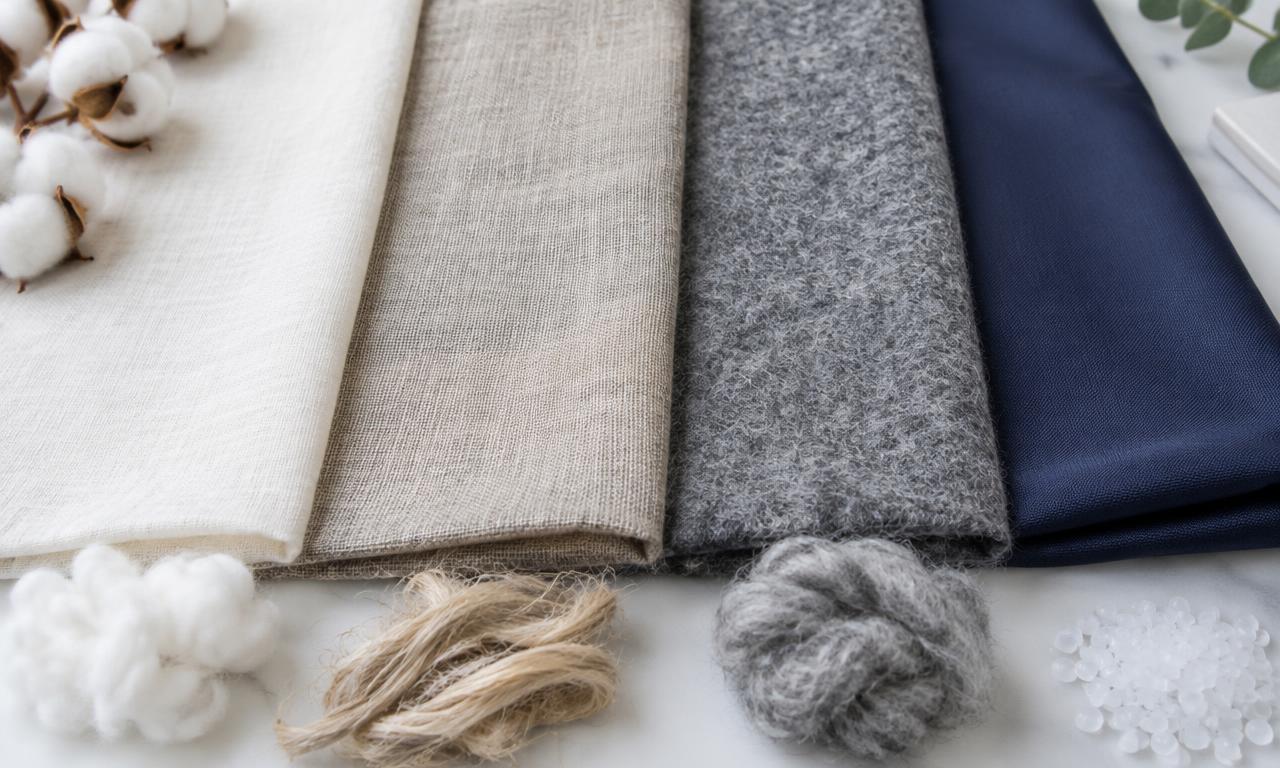
When we look at the absolute peak of sustainable textile production, recycled materials and regenerative agriculture lead the way. Recycled cotton and wool are champion fibers because they bypass the most resource-intensive stages of production: growing, harvesting, and initial processing. By diverting textile waste from landfills and mechanically shredding it into new yarns, brands can reduce the carbon footprint of a garment by nearly 80% compared to virgin counterparts. However, because mechanical recycling shortens fiber length, these are often blended with small amounts of organic virgin fibers to maintain durability.

Regenerative organic cotton is the new frontier for 2026. Unlike standard organic cotton which merely avoids synthetic pesticides, regenerative practices actively restore soil health, increase biodiversity, and sequester carbon. Look for the Regenerative Organic Certified (ROC) seal, which ensures holistic land management. Another standout is hemp. Industrial hemp is a carbon sink, absorbing more CO2 per hectare than a forest. It requires little to no irrigation and grows so densely that it naturally outcompetes weeds, eliminating the need for herbicides. Brands like Jungmaven and Patagonia have successfully integrated hemp into high-performance gear, proving that sustainability does not require a sacrifice in ruggedness.

Cellulosic Innovation: Tencel and the Lyocell Revolution

Cellulosic Innovation: Tencel and the Lyocell Revolution

Semi-synthetic fibers derived from wood pulp have occupied a controversial space in the past, largely due to the deforestation caused by rayon production. However, Lyocell—specifically branded Tencel by the Austrian company Lenzing—has revolutionized this category. Tencel is produced through a closed-loop solvent spinning process that recovers and reuses 99% of the water and non-toxic solvent used. This process has earned the European Award for the Environment, making it a benchmark for chemical safety and efficiency.

To ensure your wood-based fabrics are ethical, look for the Forest Stewardship Council (FSC) or PEFC certifications. These guarantee that the pulp is sourced from sustainably managed forests rather than ancient or endangered woodlands. Tencel is prized for its silk-like drape, breathability, and moisture-wicking properties, making it an excellent alternative to conventional silk or polyester. Avoid generic 'viscose' or 'rayon' labels, as these often imply an open-loop process where harsh chemicals like carbon disulfide are dumped into local waterways, causing significant neurological harm to factory workers and devastating local ecosystems.

The Ethics of Protein Fibers: Wool, Silk, and Animal Welfare

The Ethics of Protein Fibers: Wool, Silk, and Animal Welfare

Animal-derived fibers offer incredible longevity and performance, but they carry unique ethical weight. Responsible wool production focuses heavily on land management and animal welfare. The Responsible Wool Standard (RWS) is the industry benchmark, ensuring that sheep are treated with respect (prohibiting practices like mulesing) and that the land they graze on is protected from overgrazing. Companies like Allbirds and Icebreaker have popularized ZQ-certified wool, which adds a layer of traceability from the farm in New Zealand to the final product.

Silk is often marketed as sustainable because it is natural, but traditional 'sericulture' involves boiling the silkworms alive inside their cocoons. For a more ethical approach, look for 'Peace Silk' or Ahimsa silk, which allows the moth to emerge from the cocoon before the silk is harvested. While the resulting fiber is shorter and less shiny, it aligns with a cruelty-free philosophy. Additionally, regenerated protein fibers made from waste milk or fermented spider silk (like those developed by Bolt Threads) are emerging as high-tech, vegan alternatives to traditional animal fibers in 2026, though they currently remain at a premium price point.

Linen: The Ancient Fiber for a Modern Future

Linen: The Ancient Fiber for a Modern Future

Linen, made from the flax plant, is perhaps the most historically consistent sustainable fabric. It is naturally hardy, requiring significantly less water and fewer pesticides than cotton. Flax can grow in poor soil conditions that are unsuitable for food crops, making it a non-competitive agricultural product. In 2026, European-grown linen remains the gold standard, often certified by the Masters of Linen, which guarantees that the linen was grown and processed entirely in Europe under strict environmental and labor laws.

One of linen's greatest strengths is its durability. A high-quality linen garment can last for decades, becoming softer and more comfortable with every wash. From a waste perspective, linen is fully biodegradable if it has not been treated with synthetic dyes or toxic finishes. When shopping, prioritize 'undyed' or 'botanically dyed' linen to ensure the garment can safely return to the earth at the end of its life. While linen does wrinkle easily, this 'lived-in' look is increasingly embraced as a signature of authentic, slow fashion.

The Middle Ground: Virgin Organic Cotton and Better Cotton

The Middle Ground: Virgin Organic Cotton and Better Cotton

Organic cotton is often the first step for consumers moving away from fast fashion. By eliminating synthetic fertilizers and pesticides, organic farming protects the health of farmers and prevents toxic runoff into local aquifers. The Global Organic Textile Standard (GOTS) is the most rigorous certification to look for; it covers not just the farming, but also the environmental and social conditions in the factories. However, organic cotton still requires significant amounts of land and water, meaning it is better than conventional, but not 'impact-free'.

Be wary of the 'Better Cotton Initiative' (BCI) label. While BCI aims to improve the standards of conventional cotton, it allows for the use of synthetic pesticides and genetically modified seeds (GMOs). It is a mass-market solution that focuses on incremental change rather than radical sustainability. For the best performance, look for Pima or Egyptian organic cotton, which have longer staples. These fibers create a more durable yarn that resists pilling, extending the life of your garment and improving your cost-per-wear ratio over several years.

Recycled Synthetics: Cleaning Up the Ocean?

Recycled Synthetics: Cleaning Up the Ocean?

Recycled polyester (rPET), often made from post-consumer plastic bottles, has been hailed as a solution to our plastic crisis. Brands like Patagonia and Rothy's have shown that recycled plastics can be turned into high-performance outerwear and stylish flats. While rPET reduces energy consumption by about 45% compared to virgin polyester and keeps plastic out of landfills, it is not a perfect solution. Every time synthetic fabrics are washed, they shed microplastics—tiny plastic shards that eventually enter our oceans and food supply.

To mitigate this, 2026 standards suggest using washing bags like the Guppyfriend or installing specialized filters on washing machines. Furthermore, we must be careful with 'ocean-bound plastic' marketing. A garment can only be recycled a limited number of times before the plastic fibers degrade too much, making it a 'downcycling' process rather than a true circular loop. For items that don't require frequent washing, like rain jackets or backpacks, recycled synthetics are an excellent choice, but for base layers and everyday wear, natural fibers are still preferred.

The Worst Offenders: Conventional Cotton and Synthetics

The Worst Offenders: Conventional Cotton and Synthetics

At the bottom of the sustainability hierarchy are virgin synthetics and conventional, industrial cotton. Virgin polyester, nylon, and acrylic are all derived from petroleum. Their production is carbon-intensive and contributes to global oil demand. These fabrics can take up to 200 years to decompose in a landfill, and during that time, they leach chemicals into the soil. Acrylic, in particular, is the most energy-intensive to produce and is remarkably prone to shedding microfibers.

Conventional cotton, despite being 'natural,' is often referred to as the world's 'dirtiest crop.' It uses approximately 16% of the world’s insecticides despite occupying only 2.5% of the world’s agricultural land. These chemicals are linked to health crises in farming communities and the destruction of local bee populations. Furthermore, the 'Fast Fashion' model relies on these cheap, low-quality fibers to create garments intended for fewer than ten wears. Avoiding these materials is the most impactful choice a consumer can make to starve the cycle of overproduction and environmental degradation.

Frameworks for Decision Making: Cost-Per-Wear Math

Frameworks for Decision Making: Cost-Per-Wear Math

When evaluating sustainable fabrics, the price tag often causes sticker shock. However, ethical consumption requires a shift toward 'cost-per-wear' math. A $15 conventional cotton t-shirt that loses its shape after 5 washes costs $3 per wear. A $45 organic hemp t-shirt that lasts for 60 washes costs $0.75 per wear. In the long run, the sustainable option is almost always the more economical choice for the consumer.

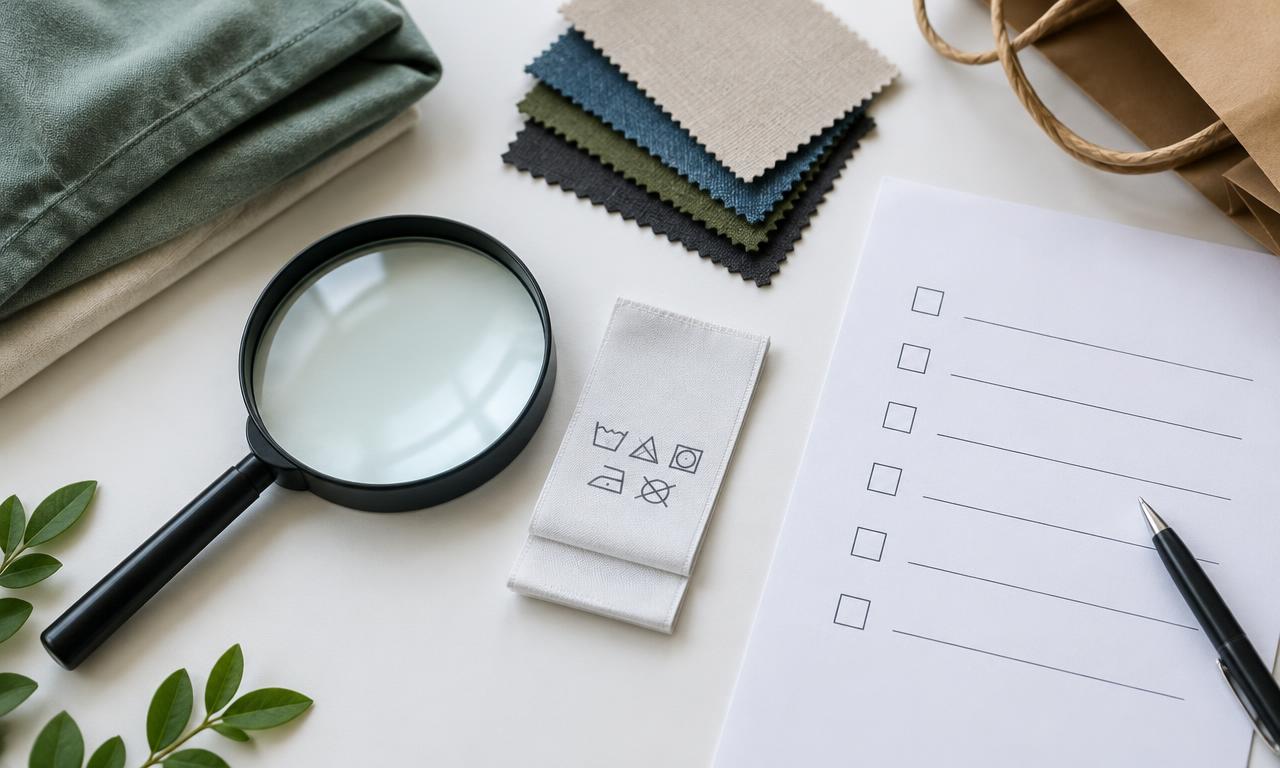
- Look for the 'Big Three' certifications: GOTS for organics, Fair Trade for social equity, and FSC for wood-based fibers. - Avoid 'blends' where possible (e.g., 60% cotton, 40% polyester). Mixed-fiber garments are nearly impossible to recycle with today's technology because separating natural and synthetic fibers is chemically complex and expensive. - Prioritize mono-materials (100% of one fiber) which are easier to integrate into future circular recycling programs. By checking the care label and asking for transparency reports, you empower yourself to make decisions that align with your values and protect the planet for 2026 and beyond.