Our Place vs Rimowa
An independent side-by-side ethics comparison of Our Place and Rimowa across certifications, average sustainability score and product range.
Our Place
Higher score86/100 avg ethics
2 products tracked
Certifications
Rimowa
82/100 avg ethics
1 products tracked
Certifications
Top Our Place products
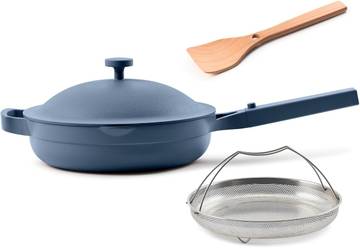
A multifunctional, non-toxic ceramic non-stick pan designed to replace eight pieces of traditional cookware, produced by a mission-driven B Corp.
An 8-in-1 multipurpose pan made from recycled aluminum with a non-toxic ceramic coating, designed by a mission-driven brand focusing on diversity and ethical labor.
Top Rimowa products
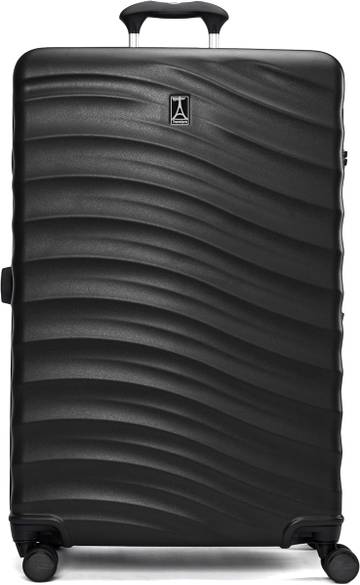
The Rimowa Essential Check-In is an ethical checked suitcase designed for frequent flyers who prioritize durability and repairability. As a premium sustainable checked suitcase for long-distance travel, it features high-performance polycarbonate and a lifetime guarantee that encourages a 'buy once, keep forever' philosophy, significantly reducing landfill waste compared to cheaper alternatives.
Frequently asked: Our Place vs Rimowa
Which is more ethical, Our Place or Rimowa?+
Our Place scores higher on independent ethics scoring: Our Place averages 86/100 vs Rimowa at 82/100.
Which has more certifications?+
Our Place appears with 4 verified certifications (B Corp, FSC Certified, BCorp, Vegan). Rimowa appears with 3 (FSC Certified, B Corp Certified, Responsible Wool Standard).
Are these scores independent?+
Yes. Both brands are scored by the same methodology — never paid placement. See our methodology page for the weighting.
Our Place vs Rimowa: how to read this comparison
Both brands are scored on the same 0–100 methodology, so the numbers are directly comparable: current third-party certifications, material and ingredient sourcing, labour standards, packaging and end-of-life, and public conduct including recalls and greenwashing findings.
A gap of a few points is usually noise from data completeness rather than a real quality difference. A gap of fifteen points or more normally reflects something concrete — a missing audit, an unpublished supply chain, or an unresolved controversy — and the brand pages explain which.
Score is not the same as fit. Compare at product level for the category you actually need: a brand can be strong in textiles and weak in personal care, and the averages hide that.
What each criterion covers
| Criterion | What we check | Typical evidence |
|---|---|---|
| Certifications | Current, accredited, in-scope marks | Public register entries |
| Materials | Origin, recycled content, traceability | Composition labels, mill names |
| Labour | Wages, audits, supplier disclosure | Published tier-one lists |
| Packaging | Plastic-free, refill, recyclability | Pack specifications |
| Conduct | Recalls, rulings, controversies | Regulator notices, court findings |
Decide between them
- Compare within one categoryBrand averages hide strong and weak product lines.
- Weight the criterion you care aboutLabour, chemicals and packaging rarely rank the same way.
- Check for open controversiesAn unresolved finding matters more than a two-point score gap.
- Look at repairabilityFor durable goods this outweighs almost everything else.
Frequently asked
Is Our Place better than Rimowa?+
On our shared 0–100 methodology, whichever brand shows the higher score on this page performs better overall — but the useful comparison is within the specific product category you are shopping, since brand averages hide line-level differences.
What does a small score difference mean?+
Little. Gaps under about five points usually reflect differing data completeness rather than a real difference in practice.
Do brands influence these comparisons?+
No. Scoring is independent, placement is never paid, and affiliate links do not affect ranking.