GOTS (Global Organic Textile Standard)
The leading standard for organic fibre textiles, covering processing, chemistry and labour.
What it is
The Global Organic Textile Standard certifies textiles made from certified organic fibres across the whole supply chain — ginning, spinning, weaving, wet processing, manufacturing, labelling and trading. It combines three things most textile labels keep separate: verified organic fibre content, restrictions on the chemistry used in dyeing and finishing (no chlorine bleach, no azo dyes releasing carcinogenic amines, no heavy-metal or formaldehyde inputs, plus wastewater treatment requirements), and social criteria based on ILO core conventions covering forced labour, child labour, freedom of association, safe working conditions and living-wage progression.
How it's verified
Independent GOTS-accredited certification bodies inspect every processing and trading stage annually, on site, and issue transaction certificates that let a finished garment be traced back to the certified fibre. Residue testing is used where contamination risk exists, and social compliance is audited alongside the technical inspection rather than self-declared.
What to look for
The GOTS logo alongside the certifier's name and a licence or certificate number, plus the wording 'Organic' or 'Made with X% organic'. Certified suppliers are listed in the public database at global-standard.org, which is the fastest way to confirm a claim.
Watch out for
'Organic cotton' with no certifier or number is unverified, and a GOTS-certified fabric does not make the finished garment GOTS-certified — the sewing facility has to be in scope too. Watch for the 70% 'Made with organic' grade being marketed as if it were fully organic.
What it doesn't cover
GOTS does not certify farms — the organic fibre must already be certified to a recognised farming standard such as USDA Organic or EU Organic before GOTS picks it up. It also does not measure carbon footprint or garment durability, and its two label grades differ: 'Organic' requires at least 95% certified organic fibre, while 'Made with organic' requires only 70%.
Top GOTS-certified products
The highest-scoring products in our database that carry GOTS certification.
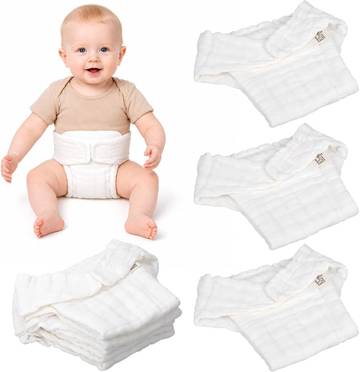
Babysoy
Babysoy Cloth Diapers (One Size) - Pack of 6 - Natural Cotton/Organic Bamboo - with Snaps - White
$$Babysoy Cloth Diapers are one-size-fits-all and made from natural cotton and organic bamboo, offering a sustainable alternative to disposable diapers. They come with snaps for easy fitting and are available in a pack of 6.
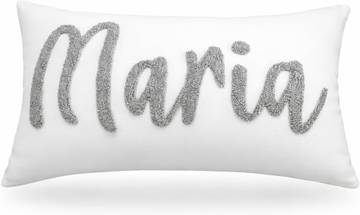
Snuggleberry Baby's Organic Cotton Personalized Birthday Pillow, made with certified organic materials, ideal for little ones celebrating their special day.
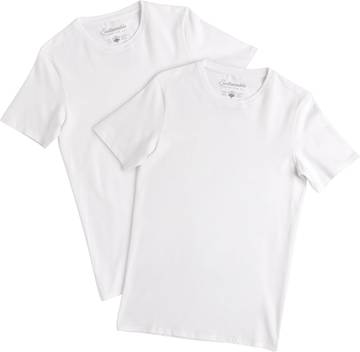
The Pact Organic Cotton Classic Crew T-Shirt is a soft, durable, and socially responsible essential for everyday wear, perfect for men, women, and children alike.
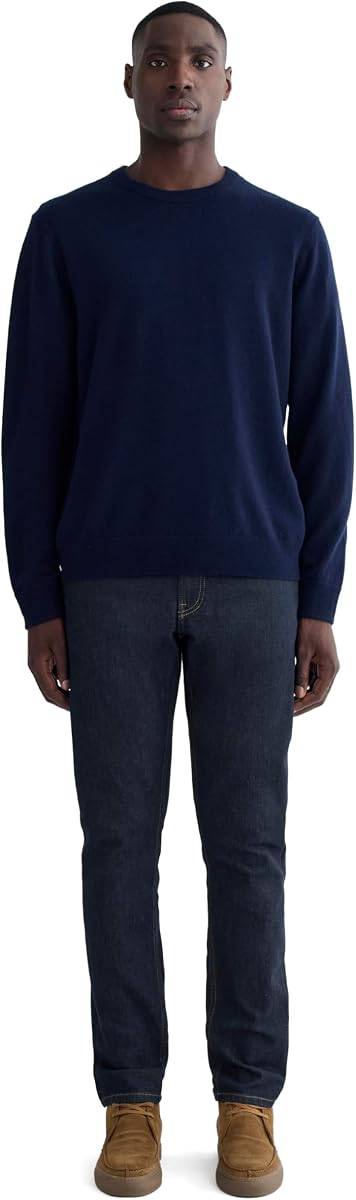
The Unspun Custom Fit Denim Jeans are a made-to-order zero-waste denim product using a 3D body scan app for perfect fit. Ideal for shoppers wanting personalized ethical fashion. The primary keyword 'custom fit jeans' addresses their unique scan-to-fit technology, eliminating returns and overproduction. Each pair is GOTS-certified organic cotton, woven in a B Corp mill, and produced on-demand in small batches.
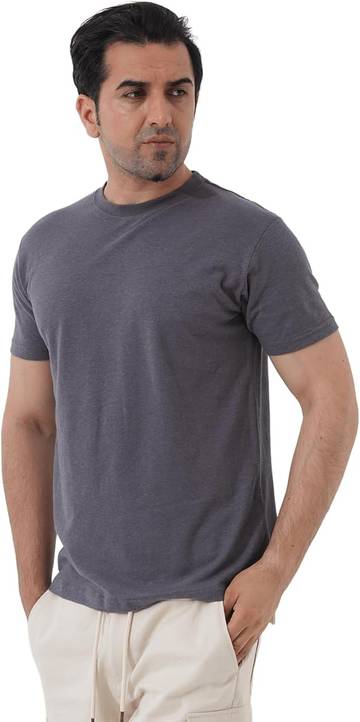
The Hopie Hemp & Organic Cotton Scoop Neck T-Shirt is a soft, breathable, and eco-friendly essential for those seeking affordable, sustainable, and Ethical Fashion Alliance certified clothing.
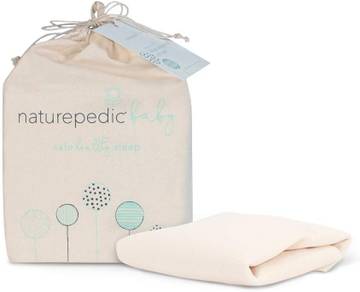
Naturepedic's NO SAP Baby Convenience Bowl & Book Covers are made with organic cotton for eco-friendly diaper changes. They come in a pack of four and fit most diaper pails. Keywords: organic diaper covers, eco-friendly diaper liners.
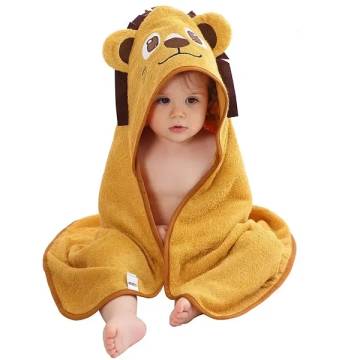
The Together Band 100% Recycled Bamboo Baby Hooded Towel keeps your little one warm and cozy post-bath or beach. Made from eco-friendly, recycled bamboo fiber, this towel is suitable for conscious parents seeking sustainable products for their baby.
The Mud Jeans Men's Slim Fit Hemp Linen Flat Front Chinos are ethical jeans made with a blend of organic cotton, recycled cotton, and hemp, providing a sustainable option for eco-conscious men. Best for those looking for durable, stylish jeans that align with their environmental values.
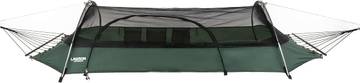
The Serenity Ridge Organic Hemp Hammock by Napping Nest Co. is a comfortable, eco-friendly hammock ideal for nature enthusiasts seeking a durable and sustainable option for backpacking trips. This organic hammock is crafted from ethically sourced hemp, ensuring a strong and breathable material that promotes airflow and prevents excessive sweating. The hammock is designed with a generous size to accommodate individuals of various shapes and sizes, weighing up to 500 lbs. The integrated stuff sack makes it easy to pack and carry, fitting perfectly into your backpack when not in use.
Frequently asked
What does GOTS certified mean?+
It means the textile contains at least 70% certified organic fibre (95% for the top 'Organic' grade) and that every processing stage was independently audited against GOTS rules on chemical inputs, wastewater and worker conditions.
Is GOTS better than OEKO-TEX?+
They answer different questions. GOTS verifies organic fibre plus processing chemistry and labour standards; OEKO-TEX STANDARD 100 tests the finished textile for harmful residues whatever the fibre. GOTS is broader, OEKO-TEX is the stricter residue test. Many of the best textiles carry both.
Does GOTS guarantee fair wages?+
It requires ILO-based social criteria — no forced or child labour, freedom of association, safe conditions, and a documented policy of progress toward a living wage — but it is not a minimum-price scheme like Fair Trade.
How can I verify a GOTS claim?+
Look up the certifier and licence number from the label in the public database at global-standard.org. If the brand cannot name a certification body, the claim is not GOTS.
Other certifications
What GOTS (Global Organic Textile Standard) certification actually guarantees
GOTS (Global Organic Textile Standard) is only meaningful within its defined scope. Certifications cover a specific product, factory or supply-chain stage — almost never an entire company — so the correct question is never "is this brand GOTS (Global Organic Textile Standard)?" but "is this item, in this line, currently covered?"
Certification also has a shelf life. Certificates are issued for a fixed period and renewed against audits. A brand that once qualified may not be covered today, which is why we check registry entries and dates rather than relying on logos reproduced on marketing pages.
Finally, a certification is a floor, not a ceiling. It rules out the worst practices in the dimensions it measures and stays silent on everything else — durability, repairability, shipping distance and labour conditions outside the audited stage all sit outside most schemes.
Reading a certification claim
| Check | Weak signal | Strong signal |
|---|---|---|
| Scope | Logo used site-wide | Named product or line |
| Identifier | No number quoted | Licence or certificate number given |
| Currency | Undated claim | Valid-until date published |
| Verification | Brand's own word | Entry in the scheme's public register |
Before trusting a GOTS (Global Organic Textile Standard) badge
- Match badge to itemCertified flagship products often sit beside uncertified basics.
- Check the levelMany schemes have tiers; the top tier is rarer than the badge suggests.
- Look for the auditorAccredited third-party bodies, not consultants paid by the brand.
- Pair with a second signalOne certification plus published testing beats two logos.