Non-GMO Project Verified
Independent verification that a product avoids genetically modified inputs.
What it is
The Non-GMO Project is a North American non-profit that verifies products against a strict standard for the avoidance of genetically modified organisms across ingredients, animal feed, processing aids and packaging.
How it's verified
Products undergo ongoing testing of high-risk inputs (corn, soy, canola, sugar beet, cotton) at qualified labs. The Non-GMO Project Standard sets action thresholds — typically 0.9% for human food. Certification is annual with traceability audits.
What to look for
The butterfly-on-grass Non-GMO Project Verified logo. Verify product status at nongmoproject.org.
Watch out for
'GMO-free' or 'no GMOs' without the Non-GMO Project logo is self-declared and unaudited. Some categories (wheat, oats) have no GMO version in commercial production — a label there is marketing.
What it doesn't cover
Non-GMO is not organic — it permits synthetic pesticides and conventional farming. The two certifications are complementary; many products carry both.
Top Non-GMO-certified products
The highest-scoring products in our database that carry Non-GMO certification.
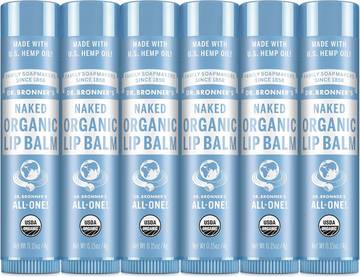
A versatile, deeply moisturizing gift set staple made with fair trade oils, perfect for soothing parched winter skin or new tattoos.
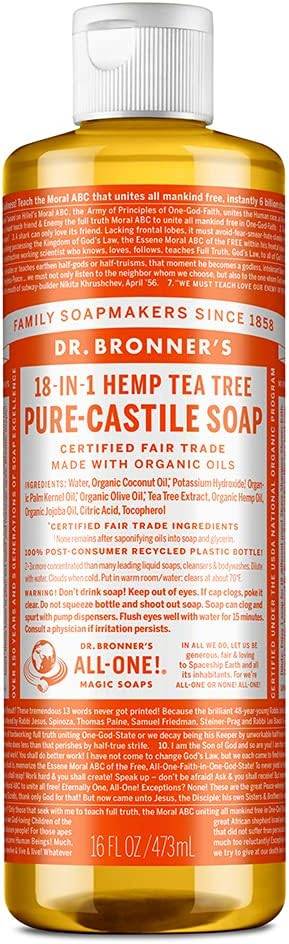
The gold standard of ethical soaps, this concentrated formula uses organic oils and fair-trade ingredients in 100% post-consumer recycled packaging.
A culinary-grade, fair-trade virgin coconut oil produced through regenerative organic farming that restores soil health.
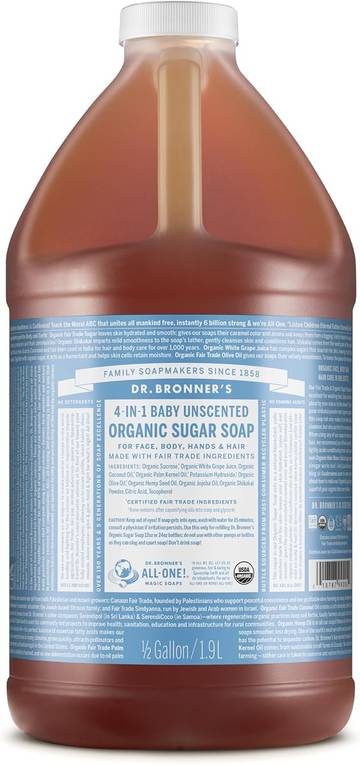
A highly versatile, certified organic sugar soap that is safe for pets (and humans) with sensitive skin, prioritizing fair trade and regenerative agriculture.
A versatile, ultra-gentle organic balm made with fair trade oils to soothe dry skin, tattoos, and diaper rash without synthetic fragrances.
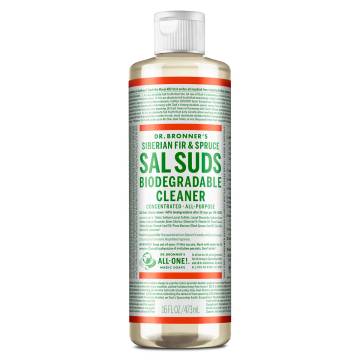
The Sal Suds Liquid Cleaner is a versatile, biodegradable concentrate that cleans floors, dishes, and laundry using plant-based surfactants and natural fir and spruce oils.
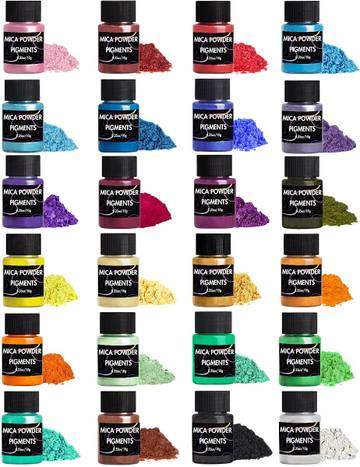
The kúkúrú Natural Artist Pigment Powder Set is an eco-friendly, non-toxic option for artists seeking vibrant, responsibly sourced colors for watercolors, inks, and various painting techniques.
A gold-standard ethical pantry staple produced through regenerative practices that revitalize soil and support small-scale farmers in Sri Lanka.
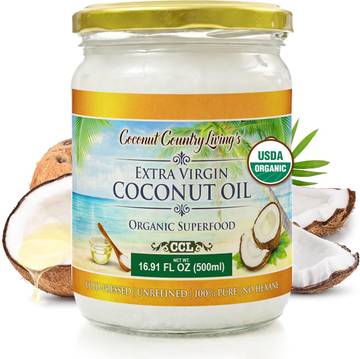
Extracted from fresh Sri Lankan coconuts, this Fair Trade oil sets the gold standard for regenerative organic agriculture and ethical labor practices.
Frequently asked
Are GMOs unsafe?+
The major scientific bodies (WHO, EFSA, NASEM) consider currently commercialised GMO crops as safe to eat as their conventional counterparts. Many shoppers avoid GMOs for ecological, supply-chain or pesticide-use reasons rather than direct safety concerns.
Browse Non-GMO by category
Other certifications
What Non-GMO Project Verified certification actually guarantees
Non-GMO Project Verified is only meaningful within its defined scope. Certifications cover a specific product, factory or supply-chain stage — almost never an entire company — so the correct question is never "is this brand Non-GMO Project Verified?" but "is this item, in this line, currently covered?"
Certification also has a shelf life. Certificates are issued for a fixed period and renewed against audits. A brand that once qualified may not be covered today, which is why we check registry entries and dates rather than relying on logos reproduced on marketing pages.
Finally, a certification is a floor, not a ceiling. It rules out the worst practices in the dimensions it measures and stays silent on everything else — durability, repairability, shipping distance and labour conditions outside the audited stage all sit outside most schemes.
Reading a certification claim
| Check | Weak signal | Strong signal |
|---|---|---|
| Scope | Logo used site-wide | Named product or line |
| Identifier | No number quoted | Licence or certificate number given |
| Currency | Undated claim | Valid-until date published |
| Verification | Brand's own word | Entry in the scheme's public register |
Before trusting a Non-GMO Project Verified badge
- Match badge to itemCertified flagship products often sit beside uncertified basics.
- Check the levelMany schemes have tiers; the top tier is rarer than the badge suggests.
- Look for the auditorAccredited third-party bodies, not consultants paid by the brand.
- Pair with a second signalOne certification plus published testing beats two logos.