OEKO-TEX Standard 100
Tests textiles for harmful substances so every component is safe against human skin.
What it is
OEKO-TEX is an independent Swiss-German testing and certification system for textiles. Its best-known label, STANDARD 100, certifies that every component of an article — the fabric, the thread, the zip, the button, the print, the coating — has been laboratory-tested against a limit-value catalogue covering several hundred regulated and non-regulated substances, including azo dyes, formaldehyde, heavy metals, phthalates, chlorinated phenols and certain PFAS. Related labels cover different things: MADE IN GREEN adds traceability plus audited production facilities, OEKO-TEX ORGANIC COTTON verifies organic fibre content, and STeP certifies factories rather than products.
How it's verified
Brands submit representative samples of every component to an accredited OEKO-TEX institute. Testing is graded by product class — Class I (baby and toddler articles) applies the strictest limits, then Class II (skin contact), Class III (no skin contact) and Class IV (furnishings). Certificates are valid for 12 months, renewal requires retesting, and the institutes run unannounced control tests on at least 25% of issued certificates each year.
What to look for
The 'STANDARD 100 by OEKO-TEX' hangtag with a certificate number and the issuing institute named. Every number can be checked in the public certificate validity search at oeko-tex.com — a real certificate names the holder, the article and the expiry date.
Watch out for
'OEKO-TEX tested', 'OEKO-TEX compliant' and 'meets OEKO-TEX limits' are not certifications; only a labelled article with a valid certificate number is. Also check the scope: a certificate can cover the fabric alone rather than the finished product, and Class IV limits are far looser than the Class I limits used for babywear.
What it doesn't cover
STANDARD 100 is a chemical-safety label, not a sustainability or ethics label. On its own it says nothing about organic fibre content, water and energy use, carbon footprint, microplastic shedding, wages or factory conditions — those sit under MADE IN GREEN, STeP or a separate standard such as GOTS.
Top OEKO-TEX-certified products
The highest-scoring products in our database that carry OEKO-TEX certification.
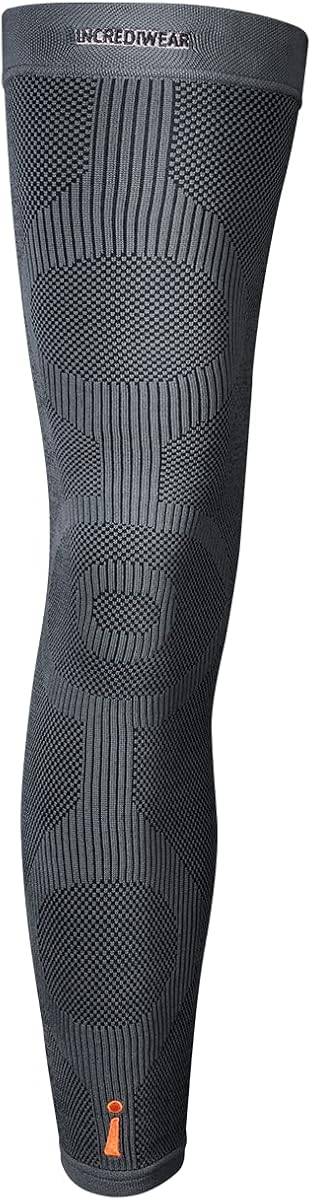
Incrediwear's Calf Sleeves are infrared-infused, unisex compression sleeves designed to improve circulation, reduce muscle soreness, and cool the skin post-workout. Perfect for athletes and active individuals seeking a recovery aid.
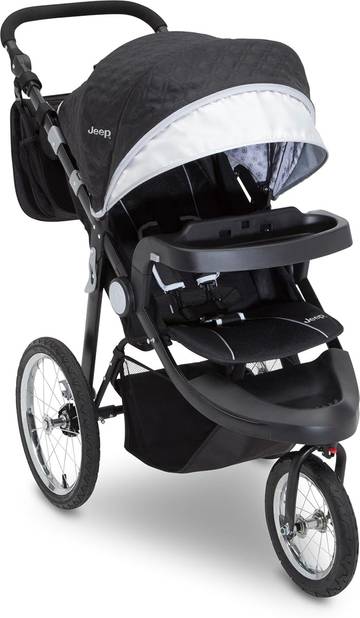
The Aoka Cross-Country Sport Jogging Stroller is a durable, eco-friendly option for active parents. It features air-filled tires for a smooth ride, an adjustable suspension, and a 5-point safety harness. Suitable for children from 6 months to 50 lbs. It's made with recycled materials and is designed to last.
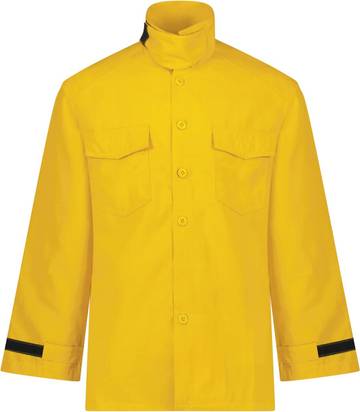
Propper's Durand Performance Workwear 12-Pocket Cargo Shirt is a sustainable alternative to your standard work shirt, perfect for professionals seeking eco-friendly, durable attire. With a mix of recycled polyester and organic cotton, this breathable shirt is not only kind to the planet but also superbly crafted with advanced features like secure pockets and stain resistance. Wear it to your next business meeting or casual outing.
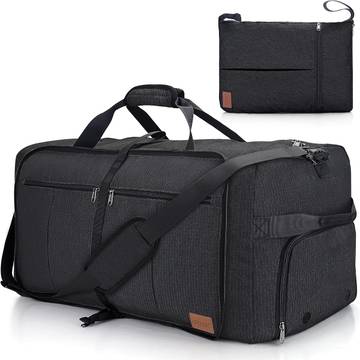
The Ec Personen Small Travel Duffel Bag is an eco-friendly and stylish luggage option, perfect for weekend getaways. It's made with recycled materials and certified by OEKO-TEX, ensuring it's safe for both people and the environment. The bag features a large main compartment, a separate shoe compartment, and a durable, water-resistant design that's built to last. It's best for eco-conscious travelers looking for a sustainable and functional duffel bag.
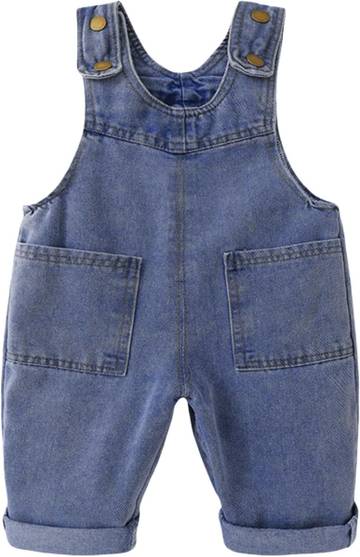
Wildkin's denim overalls for toddlers are ethical and stylish. Sustainably made with OEKO-TEX certified denim, they are great for parents seeking organic-like quality for less.
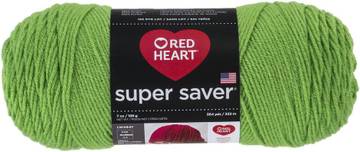
Discover the delightful Yarn vs. Green Yarn Dyeing Kit by Wild Fibers Yarn Co., perfect for knitting enthusiasts seeking eco-friendly, natural dyeing at home. Primary keyword: yarn dyeing kit. Secondary keywords: natural fiber dyeing, eco-friendly yarn kit, zero-waste yarn crafting, indigo dyeing kit.
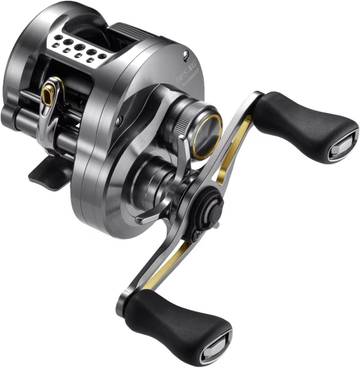
The Shimano Calcutta baitcasting reel delivers 4.5:1 gear ratio, perfect for anglers seeking a robust, high-end reel for saltwater and freshwater fishing.

The Ecoomia Green Screen is a USB-powered, eco-friendly option for gamers and content creators needing a Chroma Key background. It's made from recycled materials, has low energy consumption, and offers stunning color representation. PRIMARY KEYWORD: Eco-friendly Green Screen. SECONDARY KEYWORDS: Recycled Green Screen, Energy-Efficient Green Screen, Chroma Key Background.
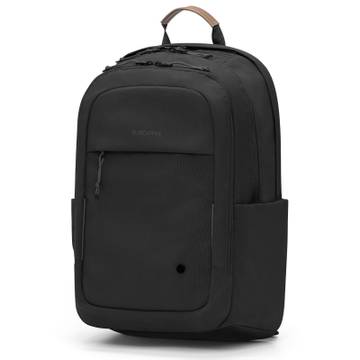
P débat PakVelope is a lightweight, sustainable travel backpack perfect for eco-conscious travelers. It features a 25L capacity,dedicated laptop sleeve, and recycled polyester material, making it an excellent choice for sustainability-minded consumers. With a primary keyword of 'sustainable travel backpack' and secondary keywords like 'recycled travel bag', 'lightweight backpack', 'eco-friendly laptop backpack', 'sustainable travel gear', 'Eco-Check certified', this product combines functionality and sustainability.
Frequently asked
What does OEKO-TEX certified actually mean?+
It means an accredited institute laboratory-tested every component of that textile against OEKO-TEX limit values for harmful substances, and the article passed for its intended skin-contact class. It is a chemical-safety guarantee for the finished item, not an environmental or labour claim.
Is OEKO-TEX the same as organic?+
No. OEKO-TEX STANDARD 100 tests the finished textile for harmful residues regardless of how the fibre was farmed, so a conventionally grown, heavily irrigated cotton can be certified. For organic fibre you need GOTS or OEKO-TEX ORGANIC COTTON.
Is OEKO-TEX safe for babies?+
Articles certified to Product Class I are tested against OEKO-TEX's strictest limits precisely because babies mouth and chew fabric. Check the hangtag or certificate for the class — a Class II or III certificate is a lower bar than babywear requires.
How do I check an OEKO-TEX certificate number?+
Enter the number from the label into the certificate validity check at oeko-tex.com. It returns the certificate holder, the certified articles and the expiry date; certificates lapse after 12 months unless renewed.
Other certifications
What OEKO-TEX Standard 100 certification actually guarantees
OEKO-TEX Standard 100 is only meaningful within its defined scope. Certifications cover a specific product, factory or supply-chain stage — almost never an entire company — so the correct question is never "is this brand OEKO-TEX Standard 100?" but "is this item, in this line, currently covered?"
Certification also has a shelf life. Certificates are issued for a fixed period and renewed against audits. A brand that once qualified may not be covered today, which is why we check registry entries and dates rather than relying on logos reproduced on marketing pages.
Finally, a certification is a floor, not a ceiling. It rules out the worst practices in the dimensions it measures and stays silent on everything else — durability, repairability, shipping distance and labour conditions outside the audited stage all sit outside most schemes.
Reading a certification claim
| Check | Weak signal | Strong signal |
|---|---|---|
| Scope | Logo used site-wide | Named product or line |
| Identifier | No number quoted | Licence or certificate number given |
| Currency | Undated claim | Valid-until date published |
| Verification | Brand's own word | Entry in the scheme's public register |
Before trusting a OEKO-TEX Standard 100 badge
- Match badge to itemCertified flagship products often sit beside uncertified basics.
- Check the levelMany schemes have tiers; the top tier is rarer than the badge suggests.
- Look for the auditorAccredited third-party bodies, not consultants paid by the brand.
- Pair with a second signalOne certification plus published testing beats two logos.