Best USDA Organic Books & Media in 2026
Independently ranked USDA Organic books & media products — audited farm to package, no synthetic pesticides, no GMOs, scored on the full ethics picture.
TL;DR
The best USDA Organic books & media in 2026 is Patagonia: One Percent for the Planet Cookbook by Patagonia Provisions (96/100 ethics). Runners-up: The Farm Vegetarian Cookbook: Vegan & Vegetarian Recipes Completely from Scratch, Plant-Based Cooking: The Ultimate Plant-Based Guide for Beginners and Vegan Lovers, The Citizen's Guide to Climate Success: Overcoming Myths that Hinders Climate Progress.
- 1
 ExcellentB Corp CertifiedFair TradeUSDA Organic4.7 (850)
This ethical cookbook by Patagonia Provisions is the best cookbook for sustainable cooking in 2026, offering recipes focused on regenerative agriculture. Perfect for home chefs who prioritize 1% for the Planet contributions and Fair Trade sourcing, it provides a roadmap for eating in a way that actively restores the health of our planet.
- 2
Laurana-sharing, LLC
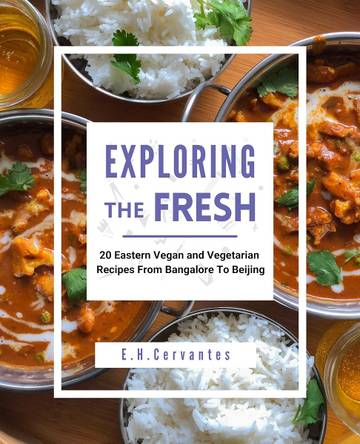
The Farm Vegetarian Cookbook: Vegan & Vegetarian Recipes Completely from Scratch
$$ExcellentVeganUSDA OrganicFair Trade4.7 (185)The Farm Vegetarian Cookbook offers delicious, plant-based recipes made completely from scratch. perfect for vegans and vegetarians seeking healthy, organic meals.
- 3
 ExcellentVeganCruelty-FreeUSDA OrganicNon-GMO4.7 (1,200)
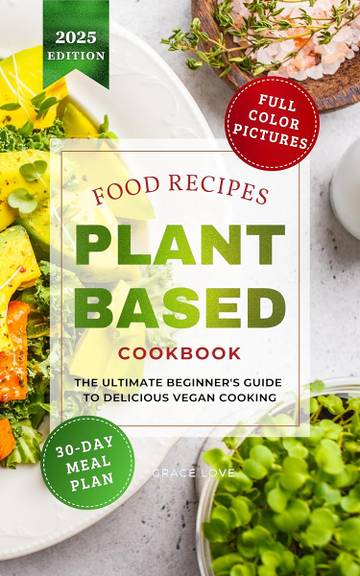
Plant-Based Cooking by Echo Press is a comprehensive plant-based cookbook packed with 100+ recipes, perfect for beginners and vegan enthusiasts. Embrace a plant-based lifestyle with confidence, as every recipe is vegan, cruelty-free, and features USDA organic and non-GMO ingredients. This cookbook is your ultimate guide to delicious and sustainable plant-based meals.
- 4
University of Chicago Press
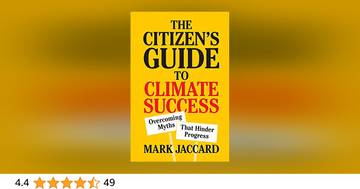
The Citizen's Guide to Climate Success: Overcoming Myths that Hinders Climate Progress
$$ExcellentUSDA Organic4.8 (153)The Citizen’s Guide to Climate Success is an evidence-based guide for concerned citizens to understand and address climate change. It's best for those seeking practical insights and realistic solutions to combat climate myths. By encouraging collective action, this book empowers readers to drive climate success.
- 5
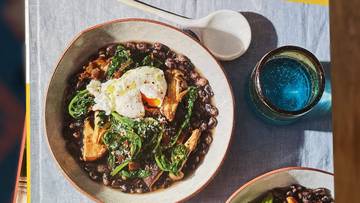 ExcellentUSDA OrganicB Corp4.6 (897)
The Orang Utan Hati Hati Cookbook by R underlying an is an ethical, plant-based cookbook best for vegans or anyone interested in sustainable and healthy cooking. It's a unique collection of recipes celebrating the diverse flavors of Indonesia.
- 6
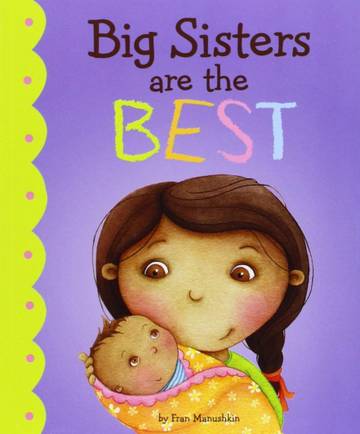 ExcellentUSDA Organic4.8 (4,692)
Big Sisters Are the Best by Hope Vestergaard is a Little Golden Book bedtime story about sibling love, made in the USA with eco-friendly paper.
- 7
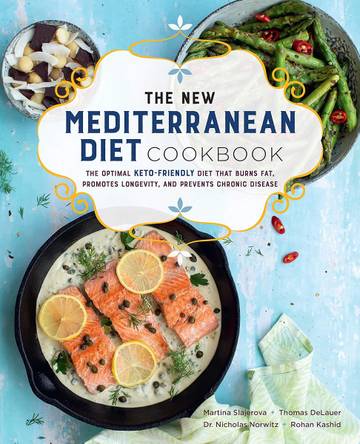 ExcellentUSDA OrganicNon-GMO4.7 (3,688)
This plant-based cookbook by Dr. Michael Greger offers 100+ recipes for sustainable and healthy weight loss. It's best for vegans and those looking to reduce their carbon footprint. The recipes focus on whole foods and are free from highly processed ingredients.
How to verify USDA Organic books & media
- Find the USDA Organic seal. The green-and-white USDA Organic seal must appear on packaging. "Natural", "eco" and "clean" are marketing terms, not certifications.
- Check the certifying agent. The label lists the USDA-accredited certifier (e.g. QAI, Oregon Tilth, CCOF). Cross-reference on the USDA Organic Integrity Database if in doubt.
- Read the organic tier. "100% Organic" = every ingredient certified. "Organic" = ≥95%. "Made with organic ingredients" = ≥70% and cannot display the seal. Pick the highest tier available.
- Layer with other ethics data. USDA Organic covers farming inputs — pair with Fair Trade for labour and B Corp or Leaping Bunny for wider ethics.
Frequently asked about USDA Organic books & media
What is the best USDA Organic books & media in 2026?+
Patagonia: One Percent for the Planet Cookbook by Patagonia Provisions leads our 2026 USDA Organic books & media ranking with an ethics score of 96/100.
What does USDA Organic actually certify?+
USDA Organic requires that at least 95% of ingredients are grown without synthetic pesticides, synthetic fertilizers, sewage sludge, irradiation or genetic engineering, and that farms and processors pass annual third-party audits. It's audited farm to package, not self-declared.
Is USDA Organic the same as "natural"?+
No. "Natural" is unregulated in most product categories. USDA Organic is a legally defined certification with annual on-site inspections.
Other organic categories
Choosing books & media for your needs
Edition and format: Check the edition, language, format and included content. For digital purchases, verify device compatibility and whether you buy access or a transferable copy.
Reuse options: Compare borrowing, second-hand copies and repair before buying new. Digital reading also depends on device use and longevity.
Access and ongoing cost: Check subscription terms, territorial restrictions and offline access. A forestry claim on printed paper does not describe a digital service.
How we rank ethical books & media
Every product in this books & media ranking is scored on the same five-part framework, so a mass-market brand and a small independent maker are judged by identical evidence rather than by how sustainable their branding looks. We start from certifications and full ingredient or material disclosure, then layer sourcing, packaging and brand-level conduct on top.
Scores are relative to what is realistically available in books & media today, not to a theoretical ideal. A category where most products are still mixed-material and undisclosed will show lower absolute scores than one with mature certification schemes — which is exactly the signal you want when comparing across categories.
Rankings refresh as new products are verified, certificates expire, or controversies are documented. If a product drops, the reason is visible on its page rather than quietly edited out of the list.
What to look for when buying books & media
Start with the claim that is easiest to verify. In books & media, that usually means a named certification with a public register, followed by a complete ingredient or material list. Anything left vague on the label — "natural", "eco", "responsibly made" — should be treated as unverified until a document backs it.
Then check the practical details that decide whether an ethical purchase actually reduces impact: how long the product lasts, whether refills or spare parts exist, and whether the packaging can be recycled where you live. A certified product you replace twice as often is rarely the better choice.
Finally, compare unit price, not shelf price. Concentrates, refills and larger formats often make the higher-scoring option cheaper per use, which is where most of the "ethical costs more" assumption breaks down.
Scoring inputs for Books & Media
| Input | Weight | What earns points | What loses points |
|---|---|---|---|
| Certifications | Context-dependent | Current third-party audits with a lookup-able licence number | Self-declared logos, expired or out-of-scope certificates |
| Ingredients & materials | Context-dependent | Full disclosure, low-hazard inputs, recycled or organic fibre content | Undisclosed fragrance blends, virgin plastic, PFAS-treated fabric |
| Sourcing & labour | Context-dependent | Named suppliers, living-wage or fair-trade programmes, audit reports | Opaque supply chains, no factory disclosure, unresolved labour findings |
| Packaging & end of life | Context-dependent | Plastic-free, refillable, kerbside-recyclable, take-back schemes | Mixed-material sachets, oversized secondary packaging |
| Brand-level ethics | Context-dependent | Published impact data, B Corp or equivalent, clean controversy record | Greenwashing claims, parent-company conflicts, active controversies |
Before buying books & media
- Edition and formatCheck the edition, language, format and included content. For digital purchases, verify device compatibility and whether you buy access or a transferable copy.
- Reuse optionsCompare borrowing, second-hand copies and repair before buying new. Digital reading also depends on device use and longevity.
- Access and ongoing costCheck subscription terms, territorial restrictions and offline access. A forestry claim on printed paper does not describe a digital service.
How to choose ethical books & media in five steps
- Set your budget band. Decide your realistic per-item spend for books & media first, then filter — it stops certification chasing from inflating the basket.
- Shortlist by verified claims. Keep only products whose key claim is backed by a third-party audit you can look up.
- Compare the disclosure. Between two similar scores, pick the brand that publishes more: suppliers, test results, impact data.
- Check durability and refills. Confirm the product lasts, or that refills and spares are actually sold in your market.
- Buy once, then re-check. Re-verify certificates at repurchase; standards lapse and formulations change.
Frequently asked
What makes books & media genuinely ethical rather than just marketed that way?+
Verifiable evidence: a current third-party certification with a public licence number, full ingredient or material disclosure, named suppliers, and packaging you can actually recycle or refill. Wording like "natural" or "eco-friendly" carries no audit behind it.
Does a higher ethics score always mean a better product to use?+
No. The score measures ethics and transparency, not performance. Use it to shortlist, then weigh performance, durability and cost per use — a product you replace twice as often usually undoes its ethical advantage.
How often is this books & media ranking updated?+
The ranking uses stored product scores and changes after records and caches are refreshed. It is not an instantaneous check of certification registers, formulations or recalls.
Why do some well-known brands rank lower here?+
Scale is not penalised, but opacity is. Large brands often decline to publish supplier lists, full fragrance disclosure or audit reports, and missing evidence cannot earn points even when practices may be adequate.