Best USDA Organic Kitchen & Dining in 2026
Independently ranked USDA Organic kitchen & dining products — audited farm to package, no synthetic pesticides, no GMOs, scored on the full ethics picture.
TL;DR
The best USDA Organic kitchen & dining in 2026 is Bamboo Cutting Board with Juice Groove by Bambu (96/100 ethics). Runners-up: Organic Bamboo Utensil Set, Thrive Market Organic Gluten-Free Pasta Made from Lupin Flour (16 oz), The Traditional Matcha Set.
- 1
 ExcellentB Corp CertifiedUSDA OrganicFair Trade4.7 (3,100)
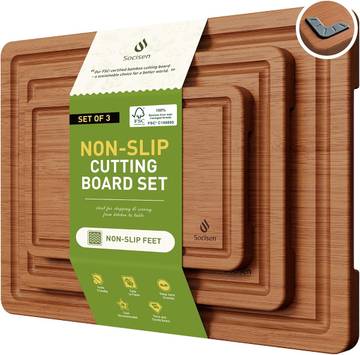
The Bambu Bamboo Cutting Board with Juice Groove is an organic, bio-based kitchen essential for eco-friendly meal prep. This best bamboo cutting board for organic kitchens outperforms most category peers because it is crafted from 100% USDA Certified Organic bamboo without the use of toxic glues or formaldehyde, ensuring a food-safe surface.
- 2
 ExcellentUSDA OrganicB CorpVegan4.6 (1,200)
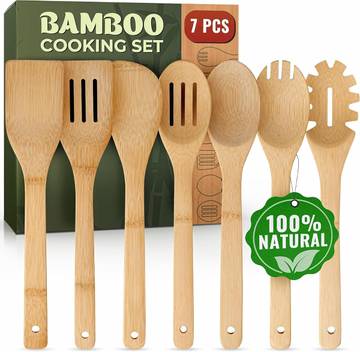
Bambu’s Organic Bamboo Utensil Set features 12-inch cooking tools made from certified organic bamboo and finished with food-grade flaxseed oil. It suits cooks seeking a plastic-free alternative who are comfortable with hand-washing and occasional oiling. The brand lists organic, B Corp and vegan credentials, while its compostability and shipping claims warrant checking for scope and local availability.
- 3
 ExcellentUSDA OrganicGluten-FreeVeganNon-GMO4.8 (109)
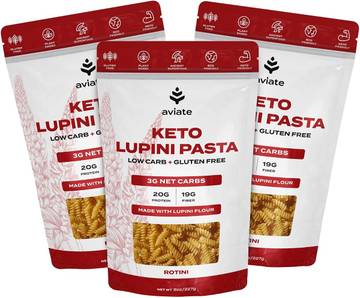
Thrive Market's Organic Gluten-Free Pasta is made from protein-rich lupin flour, a sustainable and environmentally friendly alternative to traditional pasta. It is certified organic, gluten-free, vegan, and non-GMO. This 16-ounce bag is perfect for those with dietary restrictions or anyone looking to reduce their environmental impact.
- 4
 ExcellentUSDA OrganicNon-GMO4.9 (1,400)
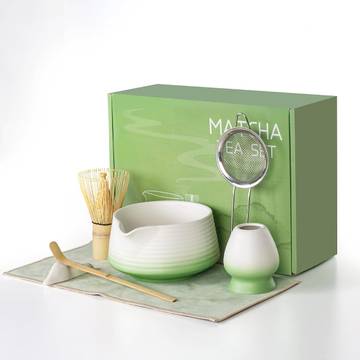
The Ippodo Tea Traditional Matcha Set is the best artisan matcha whisk set for beginners seeking an authentic Japanese experience. This indie-boutique set includes a handcrafted bamboo whisk and ceramic bowl, produced by a brand with over 300 years of history in Kyoto, ensuring the highest standards of fair labor and agricultural heritage in 2026.
- 5
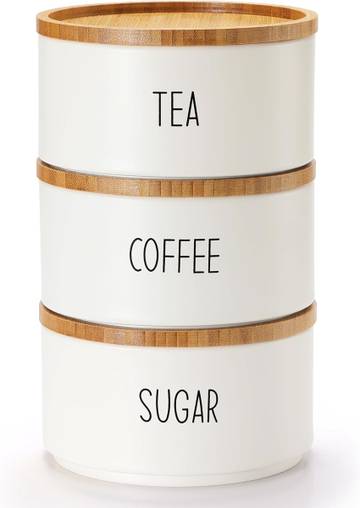 ExcellentUSDA OrganicFair TradeRainforest Alliance4.7 (950)
The SinoLiving Bamboo Airtight Tea Canister Set, a six-piece collection, is an ideal choice for eco-conscious consumers seeking sustainable and functional tea storage solutions. Crafted from organic bamboo, this set offers airtight seals to preserve tea freshness.
- 6
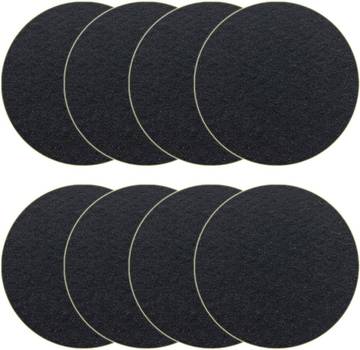 ExcellentUSDA OrganicB CorpCruelty-Free4.7 (1,250)
The EcoCoco Organic Compost Bin is a 1.6-gallon kitchen compost bin designed for homes and apartments, ideal for eco-conscious individuals aiming to reduce waste. This bin features a replaceable charcoal filter to control odors and a durable, stain-resistant design made from recycled plastic. With its sleek appearance and efficient capacity, it seamlessly integrates into any kitchen countertop. Primary keyword: kitchen compost bin; long-tail keywords: apartment compost bin, compost bin with filter, eco-friendly compost bin, kitchen waste bin, odor-free compost bin.
- 7
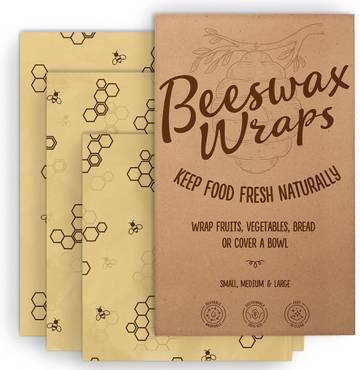 ExcellentUSDA OrganicB Corp4.6 (5,400)
Bee's Wraps Assorted Set is perfect for eco-conscious consumers seeking a sustainable alternative to plastic wrap. These reusable food wraps, suitable for preserving food and leftovers, are made from organic beeswax, organic cotton, and organic jojoba oil. They are easy to use and clean, and can last up to a year with proper care. Primary keyword: reusable food wraps. Secondary keywords: organic food wraps, beeswax food wrap, eco-friendly plastic wrap alternative, sustainable food storage.
- 8
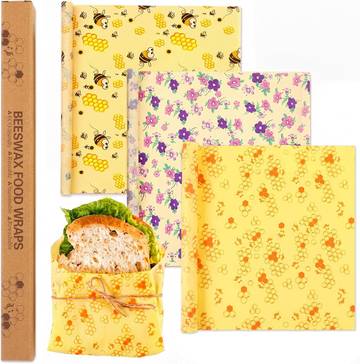 ExcellentUSDA OrganicNon-GMOVegan4.5 (320)
Beehive Farm Organic Cotton Reusable Food Wraps are a eco-friendly alternative to plastic wrap, perfect for zero-waste households seeking sustainable kitchen storage. Made from certified organic cotton infused with beeswax, jojoba oil, and tree resin, these wraps keep food fresh and are compostable. Handcrafted in small batches, they offer a non-toxic, reusable solution for storing fruits, vegetables, and covering bowls.
- 9
 ExcellentUSDA OrganicNon-GMO4.4 (800)
The Snakehole Ales Whiskey Snifter is a handcrafted, handblown glass created with a local glassblower to support sustainable production.
- 10
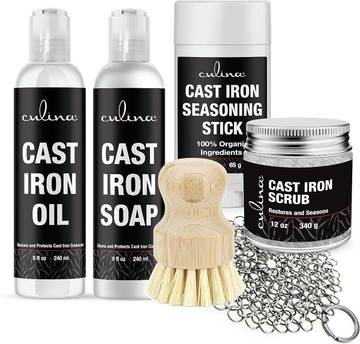 Cruelty-FreeUSDA Organic4.4 (156)
The Culina Cast Iron Care Set is an organic, cruelty-free kit ideal for those who prioritize ethical and eco-friendly products for their cast iron cookware.
How to verify USDA Organic kitchen & dining
- Find the USDA Organic seal. The green-and-white USDA Organic seal must appear on packaging. "Natural", "eco" and "clean" are marketing terms, not certifications.
- Check the certifying agent. The label lists the USDA-accredited certifier (e.g. QAI, Oregon Tilth, CCOF). Cross-reference on the USDA Organic Integrity Database if in doubt.
- Read the organic tier. "100% Organic" = every ingredient certified. "Organic" = ≥95%. "Made with organic ingredients" = ≥70% and cannot display the seal. Pick the highest tier available.
- Layer with other ethics data. USDA Organic covers farming inputs — pair with Fair Trade for labour and B Corp or Leaping Bunny for wider ethics.
Frequently asked about USDA Organic kitchen & dining
What is the best USDA Organic kitchen & dining in 2026?+
Bamboo Cutting Board with Juice Groove by Bambu leads our 2026 USDA Organic kitchen & dining ranking with an ethics score of 96/100.
What does USDA Organic actually certify?+
USDA Organic requires that at least 95% of ingredients are grown without synthetic pesticides, synthetic fertilizers, sewage sludge, irradiation or genetic engineering, and that farms and processors pass annual third-party audits. It's audited farm to package, not self-declared.
Is USDA Organic the same as "natural"?+
No. "Natural" is unregulated in most product categories. USDA Organic is a legally defined certification with annual on-site inspections.
Other organic categories
Choosing kitchen & dining for your needs
Heat source and dimensions: Check cookware diameter, usable capacity and compatibility with your hob or oven. Induction compatibility, oven-safe limits and lid limits can differ within a range.
Food-contact and care: Use the manufacturer's food-contact and cleaning instructions for the exact model. A coating, adhesive or lid may require different care from the main body.
Replace only what you need: Compare individual pieces with sets. A repairable handle, replaceable seal or reusable lid can be more useful than extra pieces you will not use.
How we rank ethical kitchen & dining
Every product in this kitchen & dining ranking is scored on the same five-part framework, so a mass-market brand and a small independent maker are judged by identical evidence rather than by how sustainable their branding looks. We start from certifications and full ingredient or material disclosure, then layer sourcing, packaging and brand-level conduct on top.
Scores are relative to what is realistically available in kitchen & dining today, not to a theoretical ideal. A category where most products are still mixed-material and undisclosed will show lower absolute scores than one with mature certification schemes — which is exactly the signal you want when comparing across categories.
Rankings refresh as new products are verified, certificates expire, or controversies are documented. If a product drops, the reason is visible on its page rather than quietly edited out of the list.
What to look for when buying kitchen & dining
Start with the claim that is easiest to verify. In kitchen & dining, that usually means a named certification with a public register, followed by a complete ingredient or material list. Anything left vague on the label — "natural", "eco", "responsibly made" — should be treated as unverified until a document backs it.
Then check the practical details that decide whether an ethical purchase actually reduces impact: how long the product lasts, whether refills or spare parts exist, and whether the packaging can be recycled where you live. A certified product you replace twice as often is rarely the better choice.
Finally, compare unit price, not shelf price. Concentrates, refills and larger formats often make the higher-scoring option cheaper per use, which is where most of the "ethical costs more" assumption breaks down.
Scoring inputs for Kitchen & Dining
| Input | Weight | What earns points | What loses points |
|---|---|---|---|
| Certifications | Context-dependent | Current third-party audits with a lookup-able licence number | Self-declared logos, expired or out-of-scope certificates |
| Ingredients & materials | Context-dependent | Full disclosure, low-hazard inputs, recycled or organic fibre content | Undisclosed fragrance blends, virgin plastic, PFAS-treated fabric |
| Sourcing & labour | Context-dependent | Named suppliers, living-wage or fair-trade programmes, audit reports | Opaque supply chains, no factory disclosure, unresolved labour findings |
| Packaging & end of life | Context-dependent | Plastic-free, refillable, kerbside-recyclable, take-back schemes | Mixed-material sachets, oversized secondary packaging |
| Brand-level ethics | Context-dependent | Published impact data, B Corp or equivalent, clean controversy record | Greenwashing claims, parent-company conflicts, active controversies |
Before buying kitchen & dining
- Heat source and dimensionsCheck cookware diameter, usable capacity and compatibility with your hob or oven. Induction compatibility, oven-safe limits and lid limits can differ within a range.
- Food-contact and careUse the manufacturer's food-contact and cleaning instructions for the exact model. A coating, adhesive or lid may require different care from the main body.
- Replace only what you needCompare individual pieces with sets. A repairable handle, replaceable seal or reusable lid can be more useful than extra pieces you will not use.
How to choose ethical kitchen & dining in five steps
- Set your budget band. Decide your realistic per-item spend for kitchen & dining first, then filter — it stops certification chasing from inflating the basket.
- Shortlist by verified claims. Keep only products whose key claim is backed by a third-party audit you can look up.
- Compare the disclosure. Between two similar scores, pick the brand that publishes more: suppliers, test results, impact data.
- Check durability and refills. Confirm the product lasts, or that refills and spares are actually sold in your market.
- Buy once, then re-check. Re-verify certificates at repurchase; standards lapse and formulations change.
Frequently asked
What makes kitchen & dining genuinely ethical rather than just marketed that way?+
Verifiable evidence: a current third-party certification with a public licence number, full ingredient or material disclosure, named suppliers, and packaging you can actually recycle or refill. Wording like "natural" or "eco-friendly" carries no audit behind it.
Does a higher ethics score always mean a better product to use?+
No. The score measures ethics and transparency, not performance. Use it to shortlist, then weigh performance, durability and cost per use — a product you replace twice as often usually undoes its ethical advantage.
How often is this kitchen & dining ranking updated?+
The ranking uses stored product scores and changes after records and caches are refreshed. It is not an instantaneous check of certification registers, formulations or recalls.
Why do some well-known brands rank lower here?+
Scale is not penalised, but opacity is. Large brands often decline to publish supplier lists, full fragrance disclosure or audit reports, and missing evidence cannot earn points even when practices may be adequate.