Best USDA Organic Garden & Outdoors in 2026
Independently ranked USDA Organic garden & outdoors products — audited farm to package, no synthetic pesticides, no GMOs, scored on the full ethics picture.
TL;DR
The best USDA Organic garden & outdoors in 2026 is Organic Mechanics Premium Blend Potting Soil by Organic Mechanics (94/100 ethics). Runners-up: Bee the Change Wildflower Seed Mix, SustainSeeder - Organic & Non-GMO Seeds Starter Kit, Eco-Friendly Potting Mix.
- 1
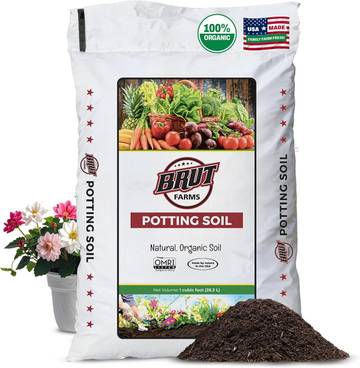 ExcellentUSDA OrganicB Corp4.8 (850)
A high-performance, peat-free potting soil made from recycled organic matter, designed for both indoor and outdoor container gardening.
- 2
 ExcellentNon-GMOUSDA OrganicOpen Source Seed Initiative4.8 (840)
The Bee the Change Wildflower Seed Mix is an ethical wildflower seed mix designed for gardeners looking to support native pollinators and restore local ecosystems. This artisan-packed collection provides high-germination blooms that serve as a critical food source for bees and butterflies, making it the best wildflower mix for regenerative gardening in 2026.
- 3
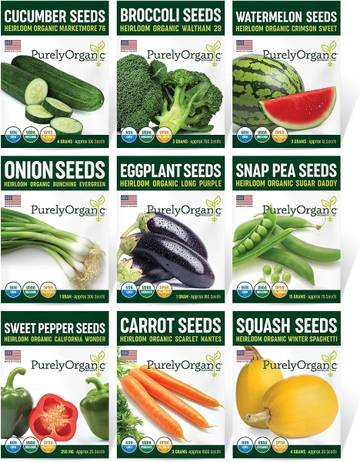 ExcellentUSDA OrganicNon-GMOECOCERT4.6 (950)
The SustainSeeder is an organic and non-GMO seed starter kit perfect for balcony gardeners seeking sustainable and high-quality seeds. This kit includes a variety of vegetable, herb, and flower seeds, along with biodegradable pots and organic germination mix, making it ideal for eco-conscious individuals. Keywords: seed starter kit, organic seeds, balcony gardening, sustainable gardening
- 4
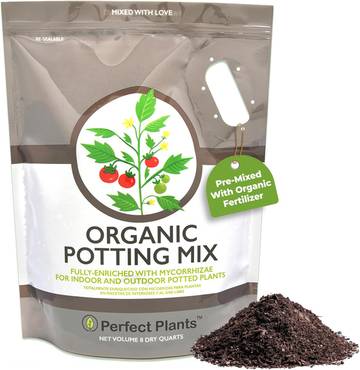 ExcellentUSDA OrganicB Corp4.7 (845)
A high-performance, peat-free potting soil designed for container gardening, utilizing compost and pine bark to promote root health while protecting vital carbon-sequestering peat bogs.
- 5
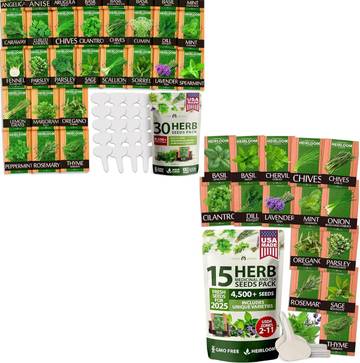 ExcellentUSDA OrganicNon-GMOB Corp4.4 (12,500)
An all-in-one indoor gardening kit featuring organic seeds and nutrient-rich soil designed for urban homesteaders.
- 6
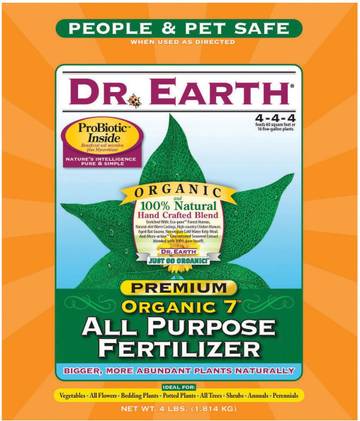 ExcellentUSDA OrganicNon-GMO4.8 (12,500)
A 100% organic and natural multipurpose plant food enriched with soil microbes and mycorrhizae for a thriving garden ecosystem.
- 7
 ExcellentUSDA OrganicNon-GMOCruelty-Free4.6 (1,240)
Arber Bio-Insecticide is an ethical natural pest control solution best for organic gardeners looking to manage pests without harming pollinators or soil health. This biological concentrate uses heat-killed bacteria to suppress common garden insects, making it a sustainable alternative to synthetic chemical pesticides in residential vegetable and flower gardens as of 2026.
- 8
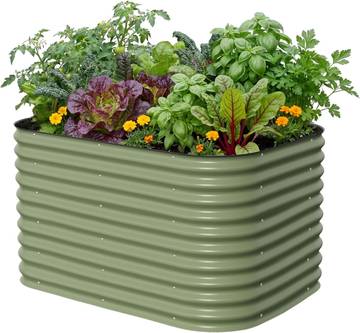 ExcellentFSC CertifiedUSDA Organic4.8 (12,450)
The Vego Garden 6-in-1 Metal Raised Garden Bed is a versatile, long-lasting planting solution and the best ethical raised bed for sustainable vegetable gardening in 2026. Made from recyclable Aluzinc magnesium steel, it offers superior durability without the chemical leaching found in treated wood or plastics, making it ideal for eco-conscious home growers.
- 9
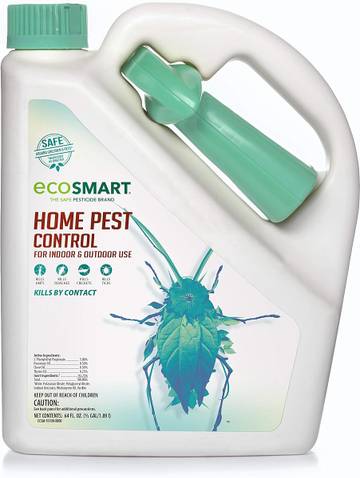 ExcellentVeganCruelty-FreeUSDA Organic4.1 (2,794)
EcoSMART Organic Home Pest Control is a natural, organic formula designed to eliminate common household pests, including roaches, ants, bed bugs, fleas, and cockroaches. This 32 oz spray is safe for use around children and pets and won't harm beneficial insects.
- 10
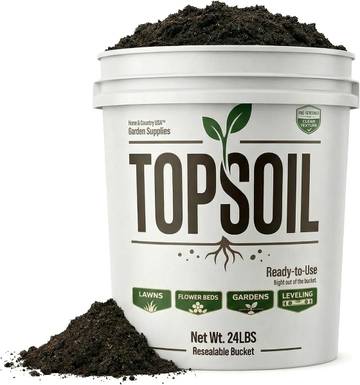 ExcellentUSDA OrganicNon-GMOB Corp4.6 (850)
A peat-free, nutrient-dense potting soil that prioritizes soil health and carbon sequestration by using compost and coconut coir instead of peat moss.
How to verify USDA Organic garden & outdoors
- Find the USDA Organic seal. The green-and-white USDA Organic seal must appear on packaging. "Natural", "eco" and "clean" are marketing terms, not certifications.
- Check the certifying agent. The label lists the USDA-accredited certifier (e.g. QAI, Oregon Tilth, CCOF). Cross-reference on the USDA Organic Integrity Database if in doubt.
- Read the organic tier. "100% Organic" = every ingredient certified. "Organic" = ≥95%. "Made with organic ingredients" = ≥70% and cannot display the seal. Pick the highest tier available.
- Layer with other ethics data. USDA Organic covers farming inputs — pair with Fair Trade for labour and B Corp or Leaping Bunny for wider ethics.
Frequently asked about USDA Organic garden & outdoors
What is the best USDA Organic garden & outdoors in 2026?+
Organic Mechanics Premium Blend Potting Soil by Organic Mechanics leads our 2026 USDA Organic garden & outdoors ranking with an ethics score of 94/100.
What does USDA Organic actually certify?+
USDA Organic requires that at least 95% of ingredients are grown without synthetic pesticides, synthetic fertilizers, sewage sludge, irradiation or genetic engineering, and that farms and processors pass annual third-party audits. It's audited farm to package, not self-declared.
Is USDA Organic the same as "natural"?+
No. "Natural" is unregulated in most product categories. USDA Organic is a legally defined certification with annual on-site inspections.
Other organic categories
Choosing garden & outdoors for your needs
Task and conditions: Match tools to soil, plant size and the task. For powered equipment, compare usable runtime, battery compatibility and access to servicing.
Repair and seasonal storage: Check replaceable blades, handles and seals, plus cleaning and storage instructions. Outdoor exposure can change maintenance needs.
Product-specific claims: A forestry certification can concern a wooden handle; an input listing can concern a growing medium. Neither establishes every property of the whole item.
How we rank ethical garden & outdoors
Every product in this garden & outdoors ranking is scored on the same five-part framework, so a mass-market brand and a small independent maker are judged by identical evidence rather than by how sustainable their branding looks. We start from certifications and full ingredient or material disclosure, then layer sourcing, packaging and brand-level conduct on top.
Scores are relative to what is realistically available in garden & outdoors today, not to a theoretical ideal. A category where most products are still mixed-material and undisclosed will show lower absolute scores than one with mature certification schemes — which is exactly the signal you want when comparing across categories.
Rankings refresh as new products are verified, certificates expire, or controversies are documented. If a product drops, the reason is visible on its page rather than quietly edited out of the list.
What to look for when buying garden & outdoors
Start with the claim that is easiest to verify. In garden & outdoors, that usually means a named certification with a public register, followed by a complete ingredient or material list. Anything left vague on the label — "natural", "eco", "responsibly made" — should be treated as unverified until a document backs it.
Then check the practical details that decide whether an ethical purchase actually reduces impact: how long the product lasts, whether refills or spare parts exist, and whether the packaging can be recycled where you live. A certified product you replace twice as often is rarely the better choice.
Finally, compare unit price, not shelf price. Concentrates, refills and larger formats often make the higher-scoring option cheaper per use, which is where most of the "ethical costs more" assumption breaks down.
Scoring inputs for Garden & Outdoors
| Input | Weight | What earns points | What loses points |
|---|---|---|---|
| Certifications | Context-dependent | Current third-party audits with a lookup-able licence number | Self-declared logos, expired or out-of-scope certificates |
| Ingredients & materials | Context-dependent | Full disclosure, low-hazard inputs, recycled or organic fibre content | Undisclosed fragrance blends, virgin plastic, PFAS-treated fabric |
| Sourcing & labour | Context-dependent | Named suppliers, living-wage or fair-trade programmes, audit reports | Opaque supply chains, no factory disclosure, unresolved labour findings |
| Packaging & end of life | Context-dependent | Plastic-free, refillable, kerbside-recyclable, take-back schemes | Mixed-material sachets, oversized secondary packaging |
| Brand-level ethics | Context-dependent | Published impact data, B Corp or equivalent, clean controversy record | Greenwashing claims, parent-company conflicts, active controversies |
Before buying garden & outdoors
- Task and conditionsMatch tools to soil, plant size and the task. For powered equipment, compare usable runtime, battery compatibility and access to servicing.
- Repair and seasonal storageCheck replaceable blades, handles and seals, plus cleaning and storage instructions. Outdoor exposure can change maintenance needs.
- Product-specific claimsA forestry certification can concern a wooden handle; an input listing can concern a growing medium. Neither establishes every property of the whole item.
How to choose ethical garden & outdoors in five steps
- Set your budget band. Decide your realistic per-item spend for garden & outdoors first, then filter — it stops certification chasing from inflating the basket.
- Shortlist by verified claims. Keep only products whose key claim is backed by a third-party audit you can look up.
- Compare the disclosure. Between two similar scores, pick the brand that publishes more: suppliers, test results, impact data.
- Check durability and refills. Confirm the product lasts, or that refills and spares are actually sold in your market.
- Buy once, then re-check. Re-verify certificates at repurchase; standards lapse and formulations change.
Frequently asked
What makes garden & outdoors genuinely ethical rather than just marketed that way?+
Verifiable evidence: a current third-party certification with a public licence number, full ingredient or material disclosure, named suppliers, and packaging you can actually recycle or refill. Wording like "natural" or "eco-friendly" carries no audit behind it.
Does a higher ethics score always mean a better product to use?+
No. The score measures ethics and transparency, not performance. Use it to shortlist, then weigh performance, durability and cost per use — a product you replace twice as often usually undoes its ethical advantage.
How often is this garden & outdoors ranking updated?+
The ranking uses stored product scores and changes after records and caches are refreshed. It is not an instantaneous check of certification registers, formulations or recalls.
Why do some well-known brands rank lower here?+
Scale is not penalised, but opacity is. Large brands often decline to publish supplier lists, full fragrance disclosure or audit reports, and missing evidence cannot earn points even when practices may be adequate.