🧴
Baby Lotion for Sensitive Skin: What to Use and What to Skip
Fragrance-free, low-irritant moisturisers for eczema-prone and newborn skin
A newborn's skin barrier is thinner than an adult's and takes about a year to mature, which is why a lotion that's fine on your hands can leave a baby blotchy. Almost every reaction traces back to the same short list of ingredients: added fragrance, essential oils, certain preservatives, and drying alcohols. What helps is dull by design — a thick, fragrance-free emollient applied often, ideally within a few minutes of a bath. Below are the baby and sensitive-skin picks in our index, ranked on ingredient transparency and certification, with the ingredient rules that matter more than the brand.
What to look for in a baby lotion
- Fragrance-free, not unscented
- 'Unscented' can mean a masking fragrance was added to hide raw-ingredient smell. 'Fragrance-free' with no parfum, perfume or essential oil in the list is the claim you want.
- No essential oils
- Lavender, tea tree and citrus oils are common irritants and sensitisers on immature skin. 'Natural' is not the same as gentle here.
- Ointment vs cream vs lotion
- Ointments hold moisture best and sting least on broken skin, creams are the practical daily middle ground, and thin lotions with high water content evaporate fastest and often disappoint on dry patches.
- Useful actives
- Glycerin and colloidal oatmeal for hydration, ceramides and petrolatum or shea for barrier repair. That combination is the whole job — long botanical lists add risk, not benefit.
- Certification and disclosure
- EWG Verified requires full fragrance disclosure and screens against an unacceptable-ingredient list; USDA Organic covers agricultural content. Neither replaces reading the ingredient list.
- Packaging
- A tube or pump keeps fingers out of the product. Open tubs invite contamination, which matters more when skin is already broken.
Baby and sensitive-skin picks in our index
These are the gentle skincare products we've verified against certification and ingredient-transparency data. Recommendations here are general skincare guidance, not medical advice.
- 1
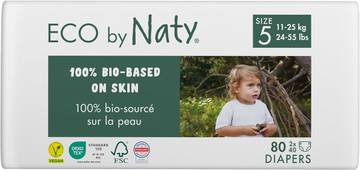 ExcellentFSC CertifiedPETA Vegan & Cruelty-FreeOEKO-TEX Standard 1004.8 (4,200)
The Ecoriginals Plant-Based Diapers are the best ethical diapers for eco-conscious parents seeking a high-performance, plastic-free alternative to traditional disposables. This sustainable diaper Ecoriginals option features a unique blend of wood pulp and non-GMO cornstarch, offering superior 12-hour absorbency and a 90% biodegradable composition that significantly outperforms standard petroleum-based brands in 2026 environmental standards.
- 2
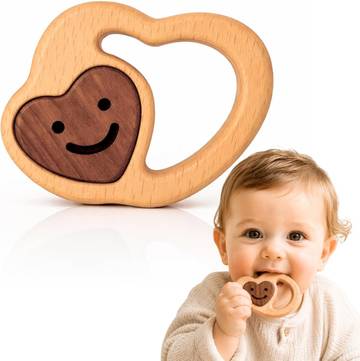 ExcellentGOTS CertifiedFair TradeGold Seal of Egyptian Cotton4.9 (450)
The Under the Nile Organic Cotton & Wood Teething Ring is the best ethical teething toy for infants needing oral relief. This sustainable baby teether with GOTS cotton features smooth, hand-polished wood and organic terry cloth, offering a chemical-free solution for sensitive gums that supports fair trade Egyptian farmers.
- 3
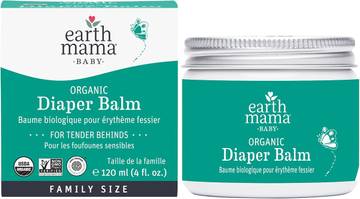 ExcellentUSDA OrganicNon-GMO Project VerifiedEWG Verified4.9 (12,500)
The Earth Mama Organic Diaper Balm is an herb-based soothing ointment and the best sustainable diaper cream for cloth diapers in 2026. This EWG Verified formula uses organic olive oil and calendula to provide a protective barrier without the use of petroleum, zinc, or synthetic fragrances, making it safe for daily use.
- 4
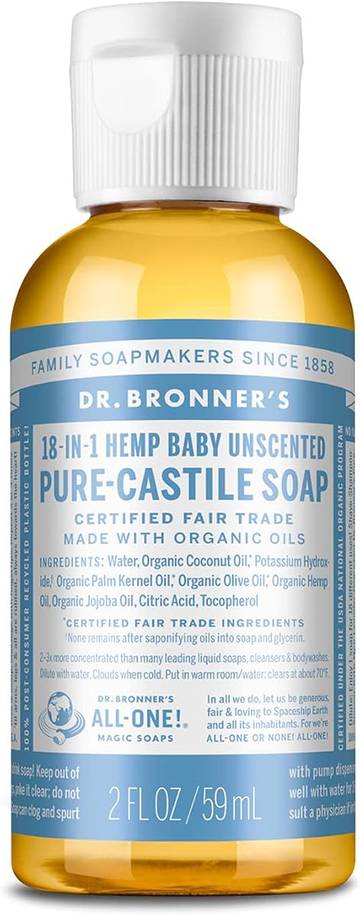 ExcellentUSDA OrganicFair for LifeLeaping BunnyB Corp Certified+1 more4.8 (12,450)
Dr. Bronner’s Baby Unscented Pure-Castile Liquid Soap is a concentrated, multi-purpose cleanser best for infants with hypersensitive skin and eco-conscious families. This ethical baby body wash features a double-dose of hemp oil for extra moisture. It is an ideal sustainable liquid soap for newborns because it contains no synthetic detergents or foaming agents.
- 5
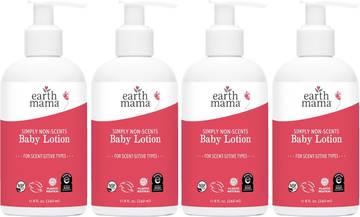 ExcellentEcoCert Cosmos OrganicLeaping Bunny cruelty-free4.6 (4,845)
Earth Mama's Baby Lotion is a gentle, fraudance-free moisturizer for babies and children, rich in organic calendula and aloe vera. This USDA certified organic lotion is perfect for Bomber sensitive skin and free from harsh chemicals.
- 6
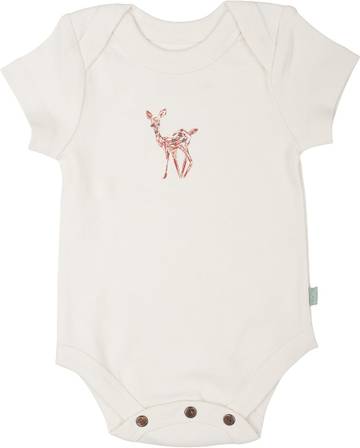 ExcellentGOTS Certified OrganicFair Trade Certified4.8 (1,240)
The Finn + Emma Graphic Bodysuit is an ethical baby bodysuit for sensitive skin designed for parents who prioritize chemical-free clothing and fair labor practices. This GOTS-certified garment outperforms standard cotton alternatives by using non-toxic inks and buttery-soft organic fibers. It is perfect for eco-conscious families seeking durable, stylish, and sustainable infant wear in 2026.
- 7
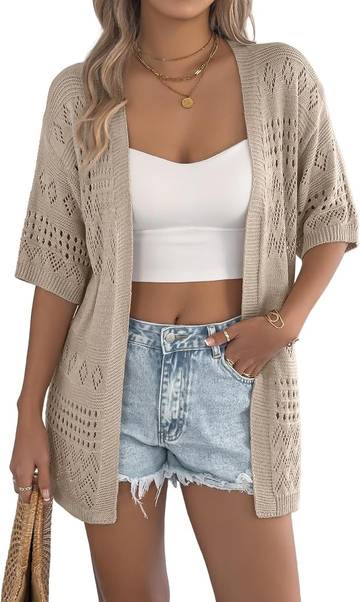 ExcellentGOTS Certified OrganicFair TradePETA-Approved Vegan4.8 (342)
This Organic Cotton Pointelle Kimono Wrap Top is the best ethical baby wrap top for parents seeking GOTS certified organic basics with heirloom quality. Specifically designed for newborns, it simplifies dressing without overhead pulls. It serves as a sustainable newborn gift for eco-conscious parents and excels as soft organic cotton infant clothing for sensitive skin versus synthetic blends.
- 8
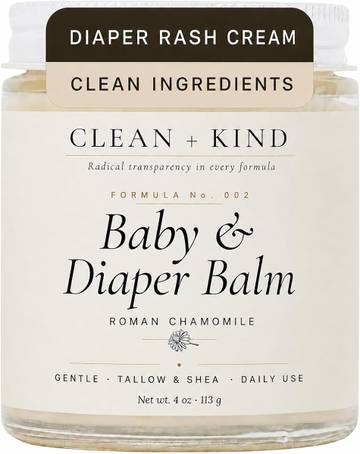 ExcellentB CorpUSDA OrganicCruelty-FreeNon-GMO4.6 (4,500)
A protective, healing balm made with organic beeswax and calendula to treat diaper rash and soothe dry patches without petroleum.
- 9
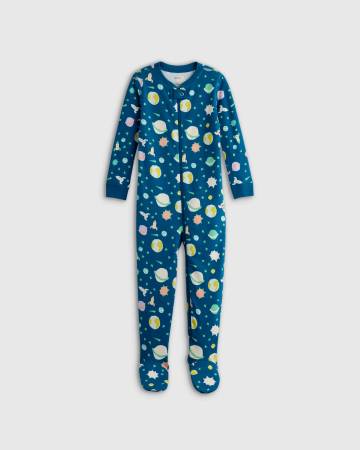 ExcellentFair Trade CertifiedGOTS CertifiedUSDA OrganicB Corp Certified4.6 (842)
The PACT Baby Organic Cotton Footie One-Piece is a sustainable, chemical-free jumpsuit ideal for eco-conscious parents seeking ethical baby clothing basics. Certified Fair Trade and GOTS organic, this footie uses 100% organic cotton grown without pesticides, packaged in recycled poly bags, and sewn in a Fair Trade factory in India.
- 10
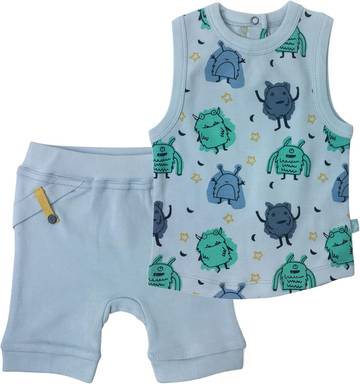 ExcellentGOTS Certified OrganicFair TradePETA-Approved Vegan4.8 (1,240)
The Finn + Emma Graphic Bodysuit is a sustainable baby bodysuit made from 100% organic cotton, best for parents seeking non-toxic, heirloom-quality infant basics. As the best ethical baby bodysuit for sensitive skin in 2026, it features lead-free snaps and eco-friendly inks, ensuring safety and durability through multiple children while supporting fair labor practices and regenerative agriculture.
The bottom line
Choose one fragrance-free ointment or cream and use it twice daily rather than rotating through products; consistency does more for a compromised barrier than any single hero ingredient. Patch test on the inner forearm for two days before applying anywhere broadly, and if a rash is weeping, spreading or not settling within a week, that's a paediatrician question, not a product question.
How to moisturise sensitive baby skin
- Keep baths short and lukewarm. Five to ten minutes at body temperature with a fragrance-free cleanser. Hot water and long soaks strip the barrier you're trying to protect.
- Pat dry, don't rub. Leave the skin slightly damp — that residual water is what the moisturiser seals in.
- Apply within three minutes. Use a generous layer of fragrance-free cream or ointment while the skin is still damp, smoothing downward rather than rubbing in circles.
- Repeat at least twice daily. Frequency beats formula. Dry or eczema-prone skin often needs three or four applications a day during a flare.
- Patch test anything new. Apply a small amount to the inner forearm for two days before using it on the face or body.
Frequently asked
What is the best type of lotion for a baby with sensitive skin?+
A thick, fragrance-free cream or ointment with glycerin, ceramides or petrolatum and a short ingredient list. Thin, highly scented lotions are the most common cause of irritation.
Should baby lotion be fragrance-free?+
Yes. Added fragrance is the single most common cause of contact reactions in babies, and 'unscented' products can still contain masking fragrance — look for 'fragrance-free' with no parfum or essential oils listed.
How often should you moisturise a baby with dry skin?+
At least twice a day, and after every bath while the skin is still damp. During a dry-skin or eczema flare, three to four times a day is normal.
Are natural or organic baby lotions gentler?+
Not automatically. Organic certification covers farming, not skin tolerance, and botanical extracts and essential oils are among the more common irritants. A short, fragrance-free formula matters more than the word natural.
Can you use adult moisturiser on a baby?+
Plain fragrance-free emollients are broadly similar, but adult products often add fragrance, retinoids, acids or strong preservatives that don't belong on infant skin. Default to a fragrance-free baby-specific formula.
What ingredients should you avoid in baby lotion?+
Added fragrance and parfum, essential oils, drying alcohols such as denatured alcohol, and methylisothiazolinone. If skin is broken or weeping, ask a paediatrician before applying anything new.