🧺
Dryer Ball Alternatives That Work (Including Non-Wool)
Wool-free, plastic-free ways to soften laundry and cut drying time
Wool dryer balls are the default recommendation, but they don't work for everyone — wool allergies, vegan households, and shedding complaints all send people looking for alternatives. The honest answer: most of the drying-time benefit comes from separating fabric and adding a little mass, which several non-wool options do just as well. Below are the highest-scoring laundry picks in our index, ranked on ethics, materials, and lifespan, with notes on where each one fits.
What to use instead of dryer balls
- Substitute for dryer balls: rubber or silicone balls
- The closest like-for-like swap if you want the tumbling and separating effect without wool. No shedding, no lint, no allergy issue — slightly noisier, and they last for years.
- Non wool dryer balls (plant fibre and cellulose)
- Compressed cellulose or plant-fibre balls and reusable dryer sheets soften by reducing static rather than by holding heat. Best for households avoiding animal fibres entirely.
- What to use instead of tennis balls in the dryer
- Tennis balls do work mechanically but off-gas rubber smell and can mark light fabrics. A clean, dry cotton towel added to a damp load, or two rubber dryer balls, does the same job without the smell.
- Aluminium foil ball
- A tightly crumpled foil ball cuts static for a few loads and costs nothing, but it does nothing for drying time and eventually sheds flakes. Treat it as a stopgap, not a system.
- No accessory at all
- Shaking each item out before loading, drying similar fabrics together, and stopping the cycle 10 minutes early to air-finish gets most of the benefit for free.
- What to skip
- Single-use dryer sheets (fragrance and coating residue), liquid softener on towels and activewear (it kills absorbency and wicking), and anything sold as 'compostable plastic' without a certification.
- 1
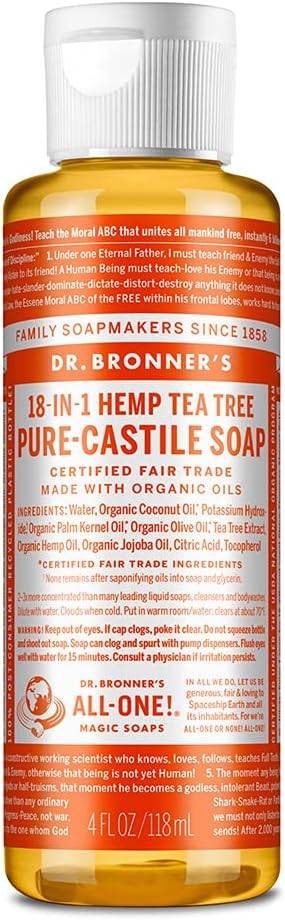 ExcellentB CorpFair TradeLeaping BunnyUSDA Organic+1 more4.8 (14,500)
An industry gold standard for ethical home care, this ultra-concentrated soap uses organic oils and fair-trade ingredients to replace dozens of single-use cleaners.
- 2
 ExcellentFair TradeUSDA OrganicB Corp CertifiedLeaping Bunny+1 more4.8 (14,500)
The Dr. Bronner’s Pure-Castile Liquid Soap Peppermint is a concentrated, biodegradable multi-surface cleaner that is the best ethical multi-purpose soap for eco-conscious families. This versatile formula serves as an effective body wash, laundry soap, and floor cleaner, utilizing ingredients that are sustainably sourced through fair trade certified partner farms.
- 3
 ExcellentB CorpFair TradeCruelty-FreeVegan+1 more4.9 (8,200)
The Sal Suds Liquid Cleaner is a versatile, biodegradable concentrate that cleans floors, dishes, and laundry using plant-based surfactants and natural fir and spruce oils.
- 4
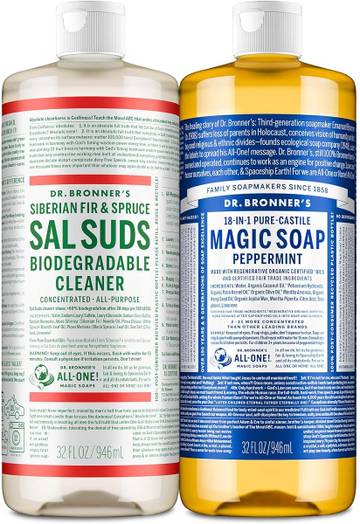 ExcellentB Corp CertifiedLeaping BunnyVeganEWG Verified4.8 (12,450)
Dr. Bronner's Sal Suds Biodegradable Cleaner is the best ethical multi-purpose cleaner for eco-conscious families seeking a versatile, high-performance concentrate that cleans surfaces, floors, and laundry without harsh synthetics. This plant-based formula outperforms most category peers because it uses sustainable fir and spruce essential oils instead of synthetic fragrances.
- 5
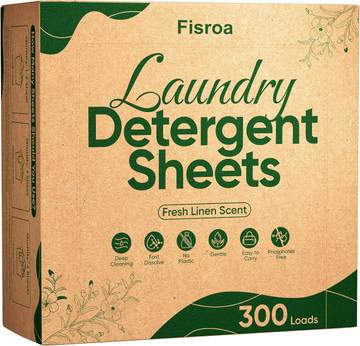 ExcellentEWG VerifiedCruelty-FreeLeaping BunnyVegan+1 more4.8 (850)
AspenClean EWG Verified Laundry Detergent Sheets are the best ethical laundry detergent for sensitive skin, offering a plastic-free, hypoallergenic cleaning solution. These sustainable laundry detergent AspenClean sheets eliminate single-use plastic jugs while utilizing plant-based ingredients to tackle tough stains effectively in all water temperatures without harsh synthetic fragrances or toxic chemicals common in traditional detergents.
- 6
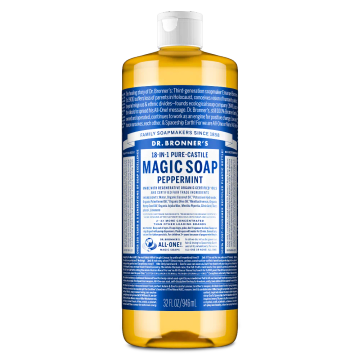 ExcellentUSDA OrganicFair TradeLeaping BunnyB Corp Certified+1 more4.8 (14,520)
The Dr. Bronner's Pure-Castile Liquid Soap Peppermint is the best ethical multi-purpose cleaner for eco-conscious families seeking a zero-waste household solution. This concentrated formula functions as a body wash, laundry detergent, and floor cleaner, utilizing organic oils and fair trade ingredients to ensure maximum safety for both humans and the planet in 2026.
- 7
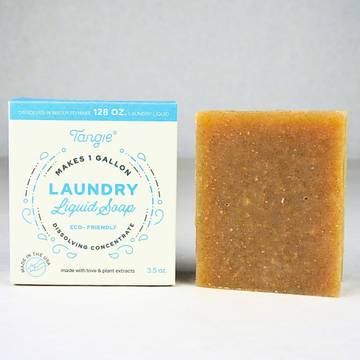 ExcellentLeaping BunnyVeganGreen America Certified4.8 (550)
Tangie Laundry Paste is an innovative, zero-waste solution and the best zero waste laundry detergent for travel 2026. This solid bar dissolves in water to create a liquid soap at home, or can be used as a spot treater, providing a plastic-free alternative that significantly reduces shipping weight and carbon emissions while maintaining high-quality cleaning standards.
- 8
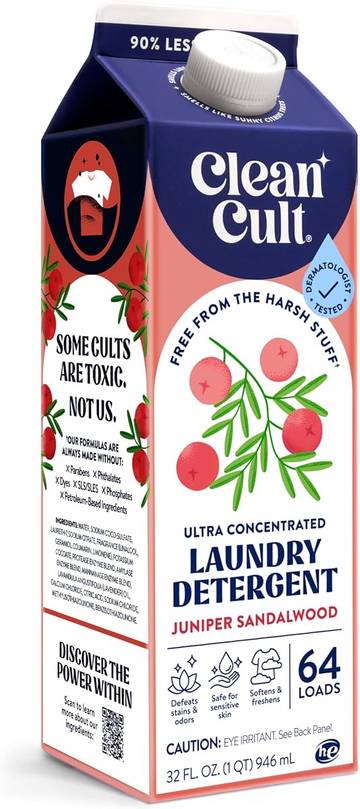 ExcellentEPA Safer ChoiceEWG VerifiedNational Eczema Association Seal of Acceptance4.8 (1,250)
The Dirty Labs Concentrated Laundry Detergent is the best sustainable laundry detergent for sensitive skin, offering a hyper-concentrated, biodegradable formula that tackles tough stains without harsh chemicals. This ethical laundry detergent Dirty Labs provides a high-performance clean while significantly reducing plastic waste and carbon emissions during shipping, making it the premier choice for eco-conscious households in 2026.
- 9
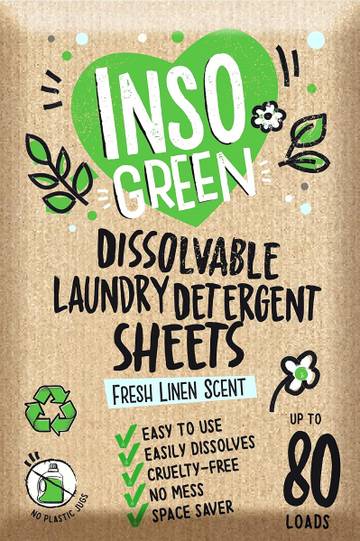 ExcellentB Corp CertifiedCruelty-FreeVeganLeaping Bunny4.8 (1,240)
ECRÜ Single Sheet Laundry Detergent is a high-performance, waste-free cleaning solution best for eco-conscious households seeking to eliminate plastic jugs. As the best sustainable laundry detergent for sensitive skin, these ultra-concentrated sheets dissolve instantly in any temperature while maintaining a carbon-neutral shipping profile. This plastic-free alternative provides a deep clean without the harsh chemicals found in traditional liquid detergents.
- 10
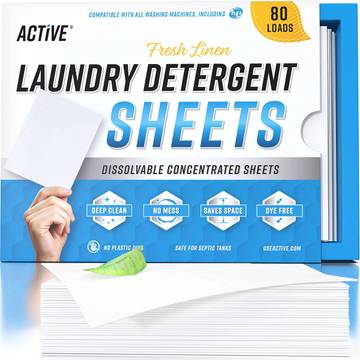 ExcellentB Corp CertifiedLeaping BunnyVeganCruelty-Free4.8 (12,500)
Earth Breeze Zero Waste Laundry Detergent Sheets are the best sustainable laundry detergent for eco-conscious families looking to eliminate plastic waste. This ethical laundry detergent reduces carbon emissions by 90% compared to heavy liquid detergents. These hypoallergenic, chemical-free laundry strips for sensitive skin outperform traditional brands in compactness and sustainability while maintaining powerful cleaning performance in 2026.
The bottom line
If you're avoiding wool, look for solid rubber or silicone balls, reusable dryer sheets made from cellulose, or simply a clean cotton towel plus a shorter cycle. Skip anything marketed as 'compostable plastic' without a certification — that claim is unregulated. And whatever you buy, expect a 10–25% drying-time reduction, not a miracle.
How to replace dryer balls in five steps
- Decide why you're switching. Wool allergy, vegan household, shedding, or noise — each points at a different substitute, so name the reason before you buy.
- Pick the mechanical replacement. For drying time, choose mass and separation: rubber or silicone balls, or a dry cotton towel added to a damp load.
- Pick the static replacement. For static and softness, choose a reusable cellulose dryer sheet or add half a cup of white vinegar to the wash rinse instead.
- Match the load. Use three to six balls for a full load and two or three for a small one. Fewer than three does almost nothing measurable.
- Set realistic expectations. Expect a 10–25% drying-time reduction at best, and dry on a lower heat setting to protect fabric life once cycles get shorter.
Frequently asked
What is a good substitute for dryer balls?+
Rubber or silicone dryer balls are the closest substitute — same tumbling and separating effect, no wool, no shedding. If you have none to hand, a clean dry cotton towel added to a damp load does most of the same work.
What to use instead of tennis balls in the dryer?+
Use two or three rubber or silicone dryer balls. Tennis balls work mechanically but off-gas a rubber smell into your laundry and their felt can mark light-coloured fabrics.
Are there non wool dryer balls?+
Yes — rubber, silicone, and compressed plant-fibre or cellulose balls all exist, as do reusable cellulose dryer sheets. All avoid animal fibres, which matters for wool allergies and vegan households.
Can I dry clothes without dryer balls at all?+
Yes. Shake each item out before loading, dry similar fabrics together, and stop the cycle about 10 minutes early to air-finish on a rack. That combination beats any accessory for both energy use and fabric life.
Do dryer balls actually reduce drying time?+
Modestly — independent testing puts the effect in the 10–25% range on mixed loads, and closer to nothing on small or already-separated loads. They help most with bulky items like duvets and towels that clump.
Do wool dryer balls shed on clothes?+
New ones shed some fibre for the first few cycles, and cheap loosely wound ones keep shedding. That is the most common reason people switch to rubber or silicone.
Are dryer sheets bad for your dryer?+
Single-use sheets leave a coating that can build up on the lint screen and moisture sensor, which makes auto-dry cycles run long. Wash the screen with warm soapy water occasionally, or drop sheets entirely.