🏊
Reusable Swim Diapers: How They Work and Which to Buy
Washable swim nappies compared on containment, fit and pool-rule compliance
Reusable swim diapers do one job: contain solids so the pool doesn't close. They are not absorbent, and that's deliberate — a swim nappy that soaked up water would sag off a baby within a minute. That single fact explains everything about how they fit, why they need snug leg elastic, and why you still need a regular nappy for the drive home. Below are the swim and baby picks in our index, plus the fit and hygiene rules that decide whether a swim nappy works or leaks.
What makes a reusable swim diaper work
- Double leg gussets
- Two rows of leg elastic are what actually contain solids. A single flat elastic edge is the most common reason a swim nappy leaks in the water.
- Snug, adjustable fit
- Snap rows or a trim-fit waistband should sit flush against the skin with no gap you can slip a finger into. Swim nappies are sized to fit close, not loose.
- Mesh or knit lining
- A light mesh or knit inner lets water pass through while holding solids. Anything laminated and waterproof through the whole panel traps water and drags.
- Fabric certification
- OEKO-TEX STANDARD 100 confirms the swim fabric was residue-tested against limit values — worth having on a garment worn wet against the skin for an hour at a time.
- Chlorine and salt durability
- Recycled polyester and nylon blends survive chlorine better than elastane-heavy fabric, which slackens after a season of pool use.
- Pool rules
- Most pools accept a reusable swim nappy; some require a disposable swim nappy underneath, and a few require both plus a snug swimsuit over the top. Check before the first lesson.
Swim and baby picks in our index
Verified swim nappies are still thin in our index — the certification and materials data we score on is rarely published for swimwear. These are the closest verified picks while we complete more.
- 1
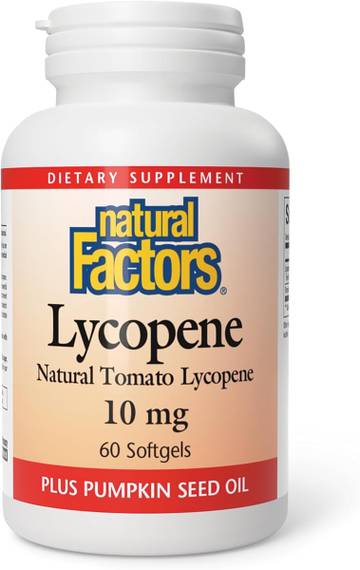 ExcellentFSC CertifiedASTMEN714.9 (3,200)
The PlanToys Wooden Balancing Cactus is an award-winning sustainable wooden educational toy designed to develop fine motor skills in toddlers. Made from reclaimed rubberwood and non-toxic pigments, it is the premier choice for an ethical Montessori-style balancing game in 2026, offering a plastic-free alternative for conscious playrooms.
- 2
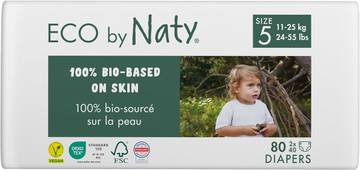 ExcellentFSC CertifiedPETA Vegan & Cruelty-FreeOEKO-TEX Standard 1004.8 (4,200)
The Ecoriginals Plant-Based Diapers are the best ethical diapers for eco-conscious parents seeking a high-performance, plastic-free alternative to traditional disposables. This sustainable diaper Ecoriginals option features a unique blend of wood pulp and non-GMO cornstarch, offering superior 12-hour absorbency and a 90% biodegradable composition that significantly outperforms standard petroleum-based brands in 2026 environmental standards.
- 3
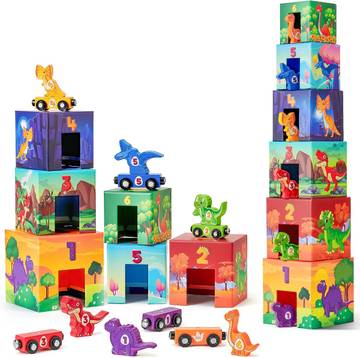 ExcellentUSDA OrganicNon-GMOLeaping BunnyGreen America Certified4.6 (1,123)
Indie Blue Planet's Wooden Preschool Learning Stacking Blocks are a charming, eco-friendly educational toy set designed for toddlers aged 18 months and up. These 36-stackable blocks feature vibrant, educational prints and are crafted from sustainably-sourced, USDA Organic wood, making them a great eco-friendly and non-toxic option for little ones.
- 4
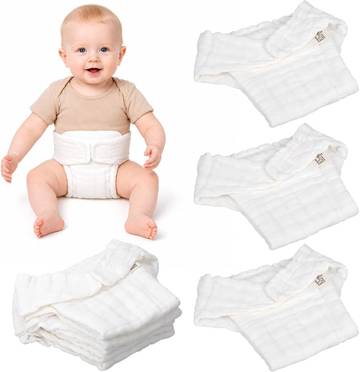
Babysoy
Babysoy Cloth Diapers (One Size) - Pack of 6 - Natural Cotton/Organic Bamboo - with Snaps - White
$$ExcellentOCDEMDiagGOTSB CorpFair Trade+1 more4.9 (2,500)Babysoy Cloth Diapers are one-size-fits-all and made from natural cotton and organic bamboo, offering a sustainable alternative to disposable diapers. They come with snaps for easy fitting and are available in a pack of 6.
- 5
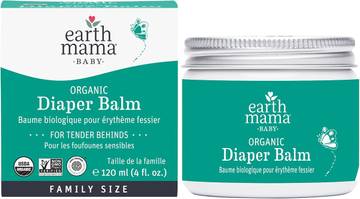 ExcellentUSDA OrganicNon-GMO Project VerifiedEWG Verified4.9 (12,500)
The Earth Mama Organic Diaper Balm is an herb-based soothing ointment and the best sustainable diaper cream for cloth diapers in 2026. This EWG Verified formula uses organic olive oil and calendula to provide a protective barrier without the use of petroleum, zinc, or synthetic fragrances, making it safe for daily use.
- 6
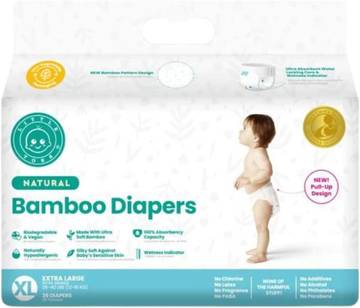 ExcellentB CorpFSC CertifiedOEKO-TEX Standard 1004.5 (5,200)
Plant-based, highly absorbent diapers made from responsibly sourced bamboo with an optional composting service.
- 7
 ExcellentECOCERTFSCThe Forest TrustEU Ecolabel4.7 (732)
Bambo Nature Premium Eco-Friendly Diapers offer a sustainable, hypoallergenic choice for babies weighing 8 to 14 lbs, backed by multiple eco-certifications.
- 8
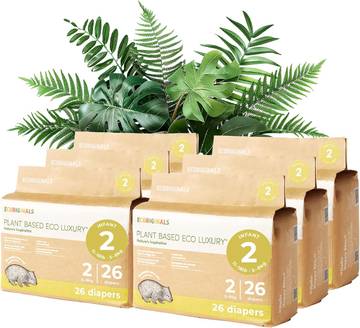 FSC CertifiedC ERP Certified4.4 (239)
Eco Pea Baby Biodegradable Disposable Diapers are eco-friendly, compostable diapers ideal for parents seeking sustainable options for their little ones. These diapers are free from harmful chemicals and are suitable for babies weighing 9-18 lbs.
- 9
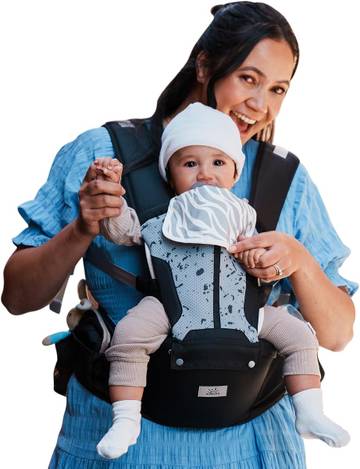 ExcellentBaby Safety Certified4.6 (1,970)
The MOMTORY 6-in-1 Baby Carrier is a versatile, safety-certified carrier for newborns and toddlers up to 45 lbs. It features a hip seat for optimal support and comfort, and can be used in various positions. This carrier is perfect for parents seeking a secure and comfortable carrier for their little ones.
- 10
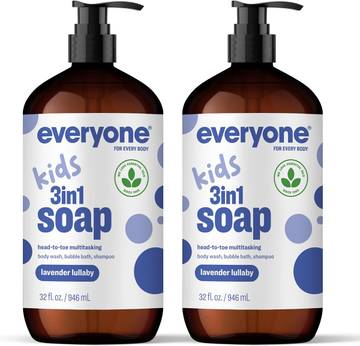 ExcellentFair TradeEWG VerifiedB CorpCruelty-Free4.6 (8,450)
The Alaffia Bubble Bath is a sulfate-free, ethical bubble bath for sensitive skin that provides a gentle, non-stripping cleanse for babies and children using fair-trade ingredients. This sustainable bubble bath for eczema-prone toddlers is formulated without synthetic fragrances or harsh foaming agents, making it an ideal choice for parents seeking plant-based alternatives to mainstream kids' bath products.
The bottom line
Two reusable swim nappies is enough for weekly lessons: one drying, one in the bag. Size for a snug leg and waist seal rather than for growing room, rinse and hang immediately after every swim, and check your pool's own rule — a few still require a disposable underneath, and lessons get cut short over it.
How to use a reusable swim diaper
- Check the pool's policy. Ask whether a reusable swim nappy alone is accepted, or whether a disposable is required underneath.
- Fit it snug at legs and waist. Both leg gussets should sit flush against the skin. Any gap is where solids escape.
- Put it on right before swimming. Swim nappies don't absorb, so use a regular nappy until poolside and change into the swim nappy at the last moment.
- Change immediately after any soiling. Leave the pool at once, dispose of solids into a toilet, and rinse the nappy — this is the whole reason swim nappies exist.
- Rinse and air dry after every swim. Rinse chlorine or salt out in cool water and hang to dry. Skip hot washes and the tumble dryer, which destroy the leg elastic.
Frequently asked
Do reusable swim diapers actually work?+
For their intended purpose, yes — double-gusseted swim nappies reliably contain solids, which is what pool hygiene rules require. They do not hold urine, and no swim nappy does.
Do you need a diaper under a reusable swim diaper?+
Usually no, and a regular absorbent nappy underneath will swell with water and sag. Some pools specifically require a disposable swim nappy underneath, so check the local rule first.
How many reusable swim diapers do I need?+
Two is enough for weekly swimming — one in use while the other dries. Three if you swim several times a week or can't hang them out promptly.
How do you wash a reusable swim diaper?+
Rinse in cool water straight after swimming to clear chlorine or salt, then machine wash warm with regular detergent and hang to dry. Avoid fabric softener and the tumble dryer, both of which wreck the leg elastic.
What size reusable swim diaper should I buy?+
Size for a snug current fit rather than growing room, using weight ranges rather than age. A loose swim nappy is a leaking swim nappy, and most one-size versions adjust across several snap rows.
Are reusable swim diapers cheaper than disposables?+
Yes over a season of regular swimming — two reusables typically cost about the same as a few packs of disposable swim nappies, and they last through more than one child if the elastic is treated well.