🚲
Smart Bike Helmets: What to Buy and What to Skip
Crash detection, lights and certification explained — plus the repairability angle
A smart bike helmet is a certified helmet with electronics added: integrated lights, turn signals, crash detection that texts an emergency contact, and sometimes bone-conduction audio. The safety floor is still the certification (CPSC in the US, EN 1078 in the EU) — the electronics change how visible you are and how fast help arrives, not how well the shell absorbs an impact. That distinction is what most reviews skip, so this guide starts there, then covers the specs worth comparing and the sustainability questions almost nobody asks a helmet brand.
The six specs worth comparing
- Certification
- CPSC (US) or EN 1078 (EU) is non-negotiable. Some models add MIPS or a similar rotational-impact liner, which independent lab testing supports for oblique impacts.
- Crash detection
- Accelerometer-based, paired to a phone app, with a cancel window before it alerts your contact. Useful only if you ride with a charged phone in range — treat it as a supplement, never a guarantee.
- Lights and signals
- Rear lights at helmet height sit in a driver's sightline better than seatpost lights. Turn signals need a bar remote to be usable; helmets without one leave you taking a hand off the bars.
- Battery life
- Expect 5–10 hours with lights on. Check whether it charges over USB-C and whether the cell is replaceable — a sealed battery sets the helmet's real lifespan, not the shell.
- Weight and ventilation
- Electronics add 80–150g over a comparable dumb helmet. Commuters rarely notice; anyone climbing does. Count the vents if you ride in heat.
- Repairability and replacement
- Replaceable pads, straps and buckles, plus a crash-replacement discount, keep a helmet in service for its full 5-year foam life. Ask before you buy — most brands answer honestly by email.
Cycling gear in our index
We don't yet have verified smart helmets in the index — helmet brands rarely publish the supply-chain and materials data we score on. These are the cycling picks we have verified so far; the helmet picks land here as we complete them.
- 1
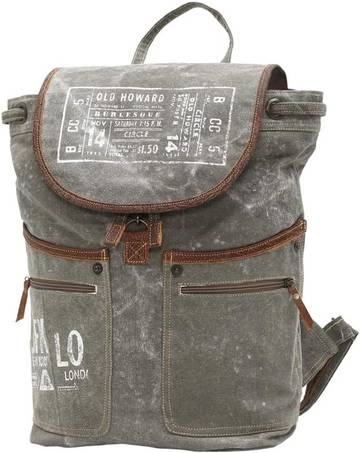 ExcellentB CorpFair TradeGOTS CertifiedVegan4.7 (1,250)
A rugged, GOTS-certified organic cotton canvas backpack that supports fair trade farmers and provides meals to hungry children.
- 2
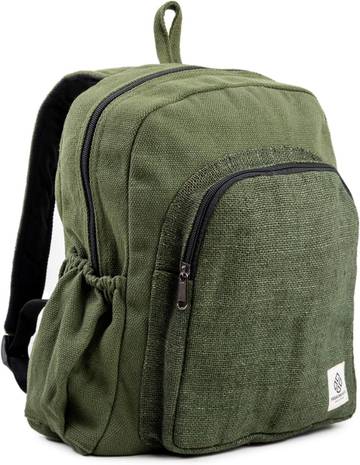 ExcellentFair TradeB Corp CertifiedUSDA Organic4.7 (1,250)
The Terra Thread Daypack is an ethical backpack for commuters made from GOTS certified organic cotton canvas. This backpack consistently outperforms competitors in sustainability audits, serving as a best sustainable backpack for college students who reject synthetic polyester bags in favor of carbon-neutral, lead-free, and Fair Trade certified manufacturing.
- 3
 ExcellentFair TradeB CorpVegan4.7 (820)
The Terra Thread Earth Pack is an organic cotton backpack perfect for students and commuters looking for a sustainable backpack for daily commute. Made from Fair Trade Certified organic cotton, it provides a carbon-neutral alternative to synthetic bags. This is the best backpack for eco-conscious students in 2026 who demand high labor standards and GOTS-certified materials.
- 4
 ExcellentB CorpFSC Certified4.7 (98)
Second-Hand Still Life by Emily Schuman, a sustainability influencer, guides you through upcycling and vintage decor. The book is published by Chronicle Books, known for its eco-conscious initiatives and partnerships with artists and designers who share similar values.
- 5
 ExcellentGOTS Certified OrganicB Corp Certified4.8 (1,240)
The For Days Classic Organic Cotton Tee is the ultimate sustainable basic for eco-conscious shoppers seeking a circular wardrobe staple. As a primary example of ethical fashion, this tee outperforms most category peers by utilizing a closed-loop recycling program, ensuring your high-quality organic cotton shirt never ends up in a landfill.
- 6
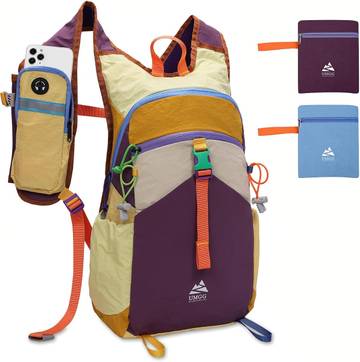 ExcellentB Corp CertifiedFair Trade4.8 (12,450)
The Cotopaxi Daypack is the best sustainable travel backpack for organized adventurers seeking a high-quality, repurposed gear solution. Using 100% remnant fabric, this ethical travel backpack reduces landfill waste while supporting fair labor practices. It serves as a durable, one-of-a-kind carry-on alternative to virgin plastic luggage for eco-conscious hikers and commuters alike.
- 7
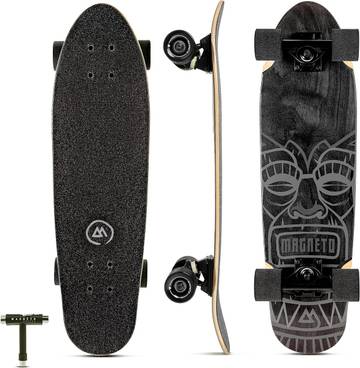 ExcellentB Corp Certified1% for the Planet4.8 (840)
The Bureo Ahi Skateboard is the best sustainable cruiser for eco-conscious commuters looking to reduce ocean plastic waste while enjoying a high-performance ride. This ethical automotive alternative features a deck made entirely from recycled fishing nets, combining durability with a positive environmental impact for urban travelers in 2026.
- 8
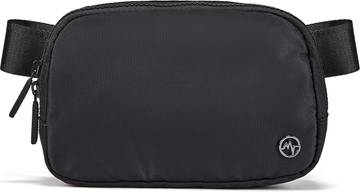 ExcellentVeganPETA-Approved VeganFSC Certified4.8 (342)
The Qwstion Bananatex® Zip Pack is the best ethical laptop bag for commuters seeking a plastic-free, versatile backpack-tote hybrid. As a sustainable 15-inch laptop backpack for eco-conscious professionals, it uses high-performance fibers derived from Abacá banana plants, offering a superior alternative to synthetic nylons while maintaining water resistance and high durability for daily urban travel.
The bottom line
Buy for fit first, certification second, electronics third. A helmet that sits level with two fingers above the eyebrows and doesn't shift when you shake your head outperforms any feature list. Then look for a brand with a crash-replacement program and separately purchasable pads and straps — those two things decide whether your helmet lasts three years or six, which matters more environmentally than any recycled-content claim on the box.
How to choose a smart bike helmet in five steps
- Confirm the certification. Look for a CPSC or EN 1078 sticker inside the shell. No sticker, no purchase — the smart features are irrelevant without it.
- Get the fit right. Measure your head above the ears and buy the size that sits level, one to two finger-widths above the eyebrows, without sliding when you shake your head.
- Pick the features you'll actually use. Night commuters gain most from lights and signals; road riders often prefer a lighter helmet with crash detection only.
- Check the battery and charging. USB-C charging and a stated runtime of 5+ hours with lights on. Ask whether the battery can be serviced.
- Check the end-of-life terms. Confirm replacement pads and straps are sold separately and whether the brand offers crash replacement, then register the helmet so you get recall notices.
Frequently asked
Are smart bike helmets worth it?+
For night and city commuters, yes — helmet-height lights and turn signals measurably improve how early drivers see you. For daylight recreational riding, a certified standard helmet plus a good rear light does most of the same job for less money and less weight.
Do smart helmets really detect crashes?+
They detect the impact signature of a fall using an accelerometer and then alert a contact you set in the app, usually after a cancellable countdown. They can miss low-speed tips and can trigger falsely if you drop the helmet, so treat it as a backup, not a safety system.
How long do smart bike helmet batteries last?+
Five to ten hours of use with lights running, and typically two to four years before the cell degrades noticeably. If the battery is sealed and unserviceable, that becomes the lifespan of the whole helmet.
Is a smart helmet as safe as a regular helmet?+
It is as safe as its certification, which is the same CPSC or EN 1078 standard a regular helmet meets. The electronics neither help nor hurt impact protection — check the certification sticker rather than the feature list.
When should you replace a bike helmet?+
After any impact, even without visible damage, and otherwise around five years from the manufacture date stamped inside, since the EPS foam and straps degrade with sweat, UV and heat.
Are bike helmets recyclable?+
Not through kerbside recycling — helmets combine EPS foam, polycarbonate and nylon webbing that municipal streams can't separate. Some brands and bike shops run take-back programs, which is the only realistic route.