🍽️
The Best Baby Bibs for Every Stage and Every Mess
Silicone, organic cotton and coverall bibs compared on safety and washability
Bibs look like the simplest baby purchase and turn into one of the most repeated: newborn drool needs a soft absorbent layer, six-month weaning needs a crumb catcher, and a toddler learning to self-feed needs full sleeve coverage. The material decides everything that matters — how fast it dries, whether it holds smell, whether it survives a hundred washes, and what's touching your baby's chin all day. Below are the bib and mealtime picks in our index, ranked on materials and certifications, plus the buying rules that hold whatever brand you choose.
What actually matters in a baby bib
- Material
- Food-grade silicone wipes clean and never holds smell but doesn't absorb drool. Organic cotton and bamboo terry absorb well but need frequent washing. Skip PVC and PEVA backings — plasticiser chemistry you don't need against skin.
- Certification
- OEKO-TEX STANDARD 100 Class I is the babywear-grade residue test for fabric bibs, and GOTS covers organic fibre plus processing. For silicone, look for a platinum-cure, filler-free food-grade statement.
- Neck closure
- Adjustable snaps outlast velcro, which clogs with lint and gets loud enough to wake a sleeping baby. Whatever the closure, it should be adjustable across at least three sizes.
- Catch pocket
- A stiff forward-facing pocket catches dropped food; a floppy fabric one just holds it against the baby. This is the single biggest difference between weaning bibs.
- Washability
- Dishwasher-safe silicone and tumble-dry-safe cotton are what keep a bib in rotation. Anything hand-wash-only gets abandoned within a fortnight.
- Coverage for the stage
- Newborn: small soft bandana. Weaning: catch-pocket. Self-feeding toddler: long-sleeve coverall. One bib does not cover the whole first two years.
Bibs and mealtime picks in our index
These are the baby feeding products we've verified so far — material sourcing and certification data is harder to get for bibs than for skincare, so the list grows as brands answer.
- 1
 ExcellentEcoCERTGOTSLeaping Bunny4.8 (890)
Zabavoa's Eco-Friendly Bibs are organic, non-toxic, and guilt-free, perfect for parents looking for eco-conscious feeding solutions. These stylish bibs are made from 100% organic cotton and are free from harmful chemicals.
- 2
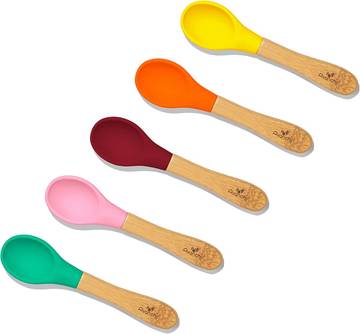 ExcellentFSC CertifiedLFGB Certified SiliconeBPA-Free4.7 (4,200)
The Avanchy The First Years First Foods Set is a sustainable baby feeding set designed for parents seeking plastic-free, high-quality weaning essentials. This set features organic bamboo and food-grade silicone to ensure a safe transition to solids. It remains a top-rated choice for baby-led weaning for eco-conscious families who prioritize durability and non-toxic materials in 2026.
- 3
 ExcellentFSC CertifiedASTM International CertifiedProp 65 Compliant4.7 (4,200)
Lalo The Chair is a sustainable high chair for babies and toddlers that grows with your child into a play chair. This ethical high chair for weaning features non-toxic materials and sustainably sourced wood, making it ideal for eco-conscious parents looking for longevity, ease of cleaning, and a minimalist design that fits modern home aesthetics through 2026.
- 4
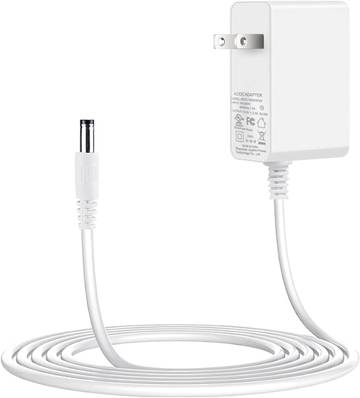 Excellentmatchs & ports Closed System BPA-free & with night light4.7 (1,200)
The Spectra S2 Plus is a hospital-grade electric breast pump suitable for daily, regular use, ideal for working mothers and frequent pumpers. Its powerful, quiet motor and customizable settings make it a popular choice among lactation consultants and breastfeeding mothers. It includes matchingexpressing and storage bottles, ports for different nursing needs, and is BPA-free with a built-in night light.
- 5
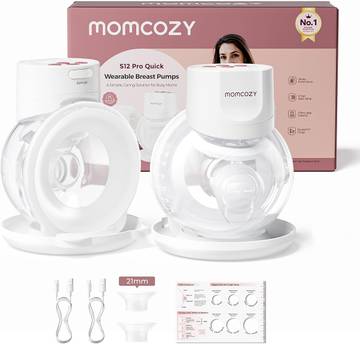 Excellent4.4 (244)
The Momcozy S12 Pro is a quick wearable breast pump, ideal for busy moms seeking discreet, efficient milk expression. This compact, hands-free device features a double-fit hybrid flange system, 9 expression levels, and a rechargeable battery for up to 3 hours of use. It's made with BPA-free materials and includes a soft silicone massage cushion for enhanced comfort. Momcozy is committed to providing breast pump solutions that support maternal health and make breastfeeding easier.
- 6
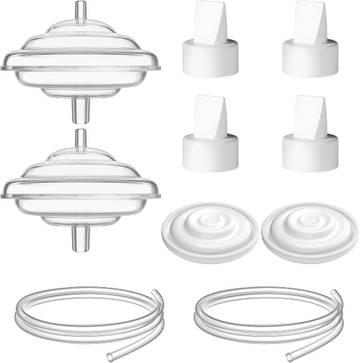 ExcellentFDA Cleared4.5 (125)
The Motif Luna is a portable, hospital-grade breast pump that suits breastfeeding moms seeking powerful expression and convenience. Its single CustomFlex mode enables comfortable expression while the portable power bank offers non-stop pumping on-the-go. Keywords: Motif Luna, portable breast pump, hospital-grade pump, single mode, CustomFlex, power bank.
- 7
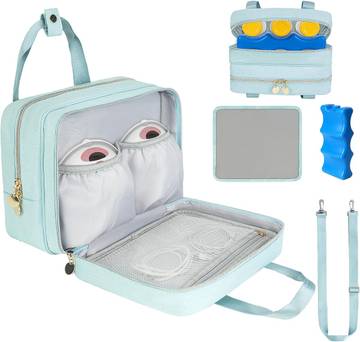 ExcellentBPA-free4.4 (247)
The Elvie Stride is a silent, portable, and rechargeable wearable breast pump designed for discreet use. Ideal for nursing mothers looking for convenience and mobility. It's made from medical-grade silicone and is BPA-free. Keywords: Elvie Stride, wearable breast pump, portable pump, discreet pump, nursing mothers.
- 8
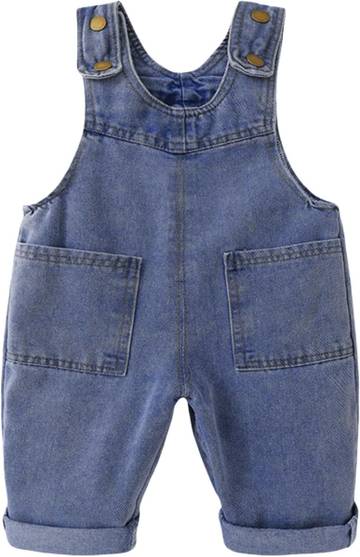 ExcellentOEKO-TEX4.4 (16)
Wildkin's denim overalls for toddlers are ethical and stylish. Sustainably made with OEKO-TEX certified denim, they are great for parents seeking organic-like quality for less.
- 9
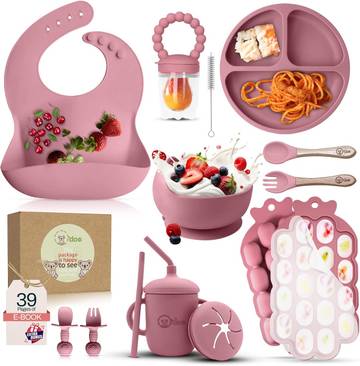 ExcellentBPA FreePhthalate Free4.7 (1,439)
The O'doe Baby Weaning Set is a comprehensive 15-piece silicone baby feeding set, perfect for parents introducing solid foods to their little ones. This set includes everything from spoons and forks to a divided plate, suction bowl, and even a baby bib, promoting mess-free weaning. Made from high-quality, food-grade silicone, this set is not only durable but also eco-friendly. The set is designed to help baby self-feed, encouraging independence and motor skill development. This set is suitable for babies aged 4-12 months and is a great tool for baby-led weaning. Keywords: baby weaning set, baby feeding set, baby-led weaning, silicone baby spoon, silicone baby bowl, baby bib.
- 10
 ExcellentBPA-FreePhthalate-FreePVC-FreeFDA Approved Silicone4.7 (845)
The NumNum Baby Spoons are an innovative feeding solution and are the best ethical baby spoons for infant self-feeding because they eliminate the frustration of 'dipping' vs 'scooping.' Made from hypoallergenic, non-toxic silicone, these spoons are designed to facilitate baby-led weaning while being built to last through multiple children.
The bottom line
Buy in threes for each stage, not in twelves overall: three soft cotton bibs for drool, three silicone catch-pocket bibs for weaning, and one long-sleeve coverall for paint and yoghurt. Look for OEKO-TEX or GOTS on anything fabric, food-grade silicone with no fillers on anything moulded, and avoid PVC or PEVA backing entirely.
How to choose baby bibs in five steps
- Start from the stage. Drool, weaning or self-feeding — each stage needs a different shape, so buy for the next three months rather than the whole first year.
- Pick the material for the mess. Silicone for wet purees and dropped food, absorbent organic cotton or bamboo for drool and milk.
- Check the certification. OEKO-TEX STANDARD 100 or GOTS on fabric; food-grade, filler-free silicone on moulded bibs.
- Test the neck and pocket. Snaps over velcro, at least three neck sizes, and a pocket that holds its shape when you press it forward.
- Buy three, not twelve. Three per stage covers the wash cycle. Overbuying is how bibs end up in a landfill barely used.
Frequently asked
How many bibs does a baby need?+
Three to six per stage. Three covers a normal wash cycle for a weaning baby; heavy droolers during teething go through five or six a day and need the larger number.
Are silicone bibs better than cloth bibs?+
For weaning, yes — they wipe clean in seconds, don't hold smell, and their catch pocket collects dropped food. For drool and milk, cloth wins because silicone doesn't absorb anything.
Are silicone baby bibs safe?+
Food-grade, platinum-cured silicone with no filler is stable, inert and dishwasher-safe. Do a pinch test: if twisting the silicone shows white streaks, it contains filler and is worth replacing.
What is the best bib material for sensitive skin?+
GOTS-certified organic cotton or bamboo terry with an OEKO-TEX STANDARD 100 Class I certificate, which tests to the strictest limits for items babies mouth. Avoid dyed synthetic backings against the neck.
When should a baby start wearing bibs?+
From the first weeks for drool and milk protection, then a catch-pocket weaning bib from around six months when solids start, and a long-sleeve coverall once self-feeding begins.
How do you clean baby bibs properly?+
Rinse food off immediately, then wash silicone in the dishwasher and fabric bibs at 40°C or above. Skip fabric softener on absorbent bibs — it coats the fibres and kills absorbency.