Rainforest Alliance
Standard for farms and forests on biodiversity, livelihoods and supply-chain traceability.
What it is
Following the 2018 merger with UTZ, the Rainforest Alliance certifies coffee, cocoa, tea, bananas, palm oil and forest products against a 2020 Sustainable Agriculture Standard covering biodiversity conservation, water and soil management, worker wages and conditions, and climate-smart practices.
How it's verified
Independent third-party auditors visit certified farms and supply chains annually. The 2020 standard introduced mass-balance and segregation chain-of-custody options, plus 'data-based assurance' using risk profiling.
What to look for
The small green tree-frog logo. Look for additional fine print indicating ingredient percentages and chain-of-custody method (Identity Preserved, Segregated or Mass Balance).
Watch out for
A mass-balance product can carry the seal even if its physical contents are not certified — the seal indicates an equivalent volume was sourced from certified farms.
What it doesn't cover
Rainforest Alliance does not guarantee organic farming — synthetic pesticides are restricted but not banned. Its labour standard is below Fair Trade for minimum prices.
Top Rainforest Alliance-certified products
The highest-scoring products in our database that carry Rainforest Alliance certification.
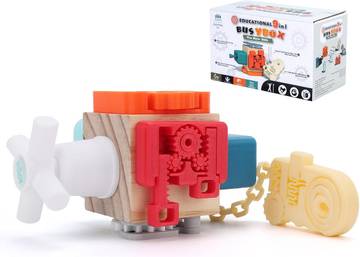
GreenSchools Co.
Montessori Wooden Busy Board & Activity Cube - Sustainable Learning Toy by GreenSchools Co.
$$GreenSchools Co.'s Montessori Woody Busy Board & Activity Cube is a sustainable learning toy, perfect for toddlers aged 12 to 36 months. Crafted from FSC-certified wood, this educational activity cubes boasts 2-in-1 design, ensuring hours of creative play and early skill development. Suitable for eco-conscious parents seeking eco-friendlyearly learning resources.
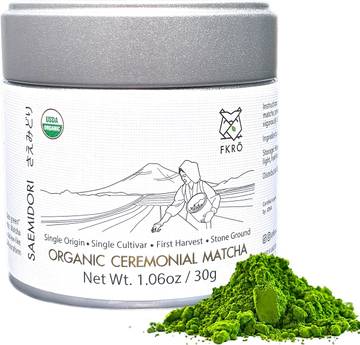
Fox Matcha
Fox Matcha - Ceremonial Grade Matcha Green Tea Powder - Stone-Ground, Single Origin, Naturally Cultivated from Amagase, Japan
$$$$Fox Matcha offers ceremonial grade, single-origin matcha directly sourced from Amagase, Japan. This premium matcha is perfect for tea enthusiasts seeking authentic, high-quality matcha for traditional tea ceremonies or daily enjoyment.
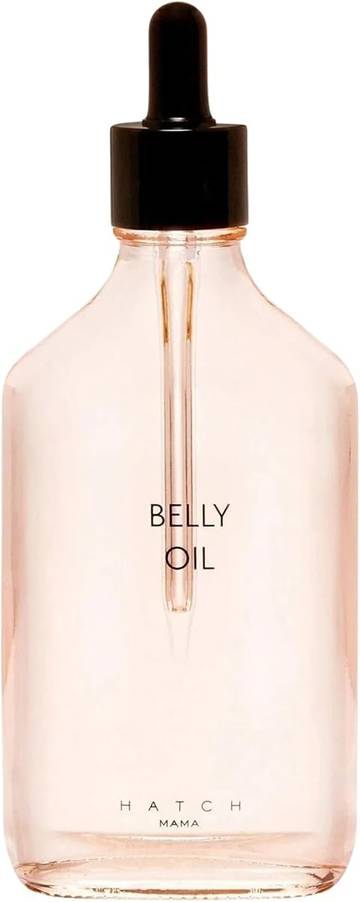
Experience Midwife's Dream Pregnancy Body Oil, a luxurious blend of organic oils that nourishes and supports the skin through pregnancy, and our primary keyword is 'pregnancy body oil'.
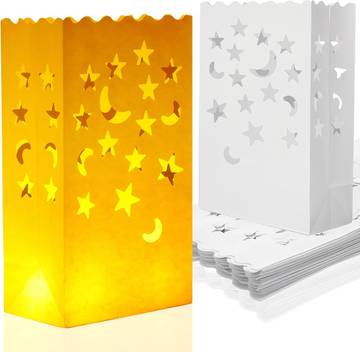
Luminary Soul's 2026 Harvest Moon candle set illuminates your home with hues of orange and amber, offering a eco-friendly way to celebrate the season. Hand-poured in small batches using locally sourced, 100% pure beeswax, this set supports sustainable beekeeping practices and reduces plastic waste. Each candle is imbued with essential oils for an aromatic experience. Primary keyword: eco-friendly candles. Secondary keywords: beeswax candles, locally sourced gifts, sustainable candles, zero-waste holidays.

Burlap & Barrel Wild Forest Cinnamon is a single-origin, ethically wild-harvested spice from northern Vietnam, best for chefs and home cooks who demand exceptional flavor and direct farmer relationships in sustainable food & nutrition. This rare wild cinnamon offers a sweet, floral, low-coumarin profile that outperforms common cassia. Best for baking, teas, and spice blends with a transparent supply chain.
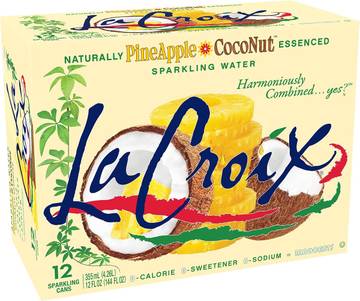
Harmless Harvest's Coconut Water with Pineapple is an organic, Fair Trade coconut water beverage sweetened with only pineapple, offering a refreshing and nutrient-dense hydration option in 2026.
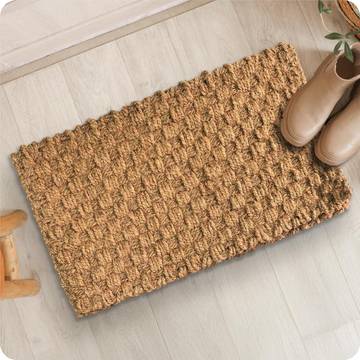
The Safavieh EcoCoco Natural Coconut Coir Welcome Mat is an eco-friendly way to greet guests, crafted from sustainably sourced coconut coir fibers.
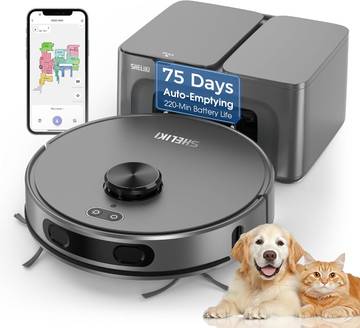
The Dolan Home Deluxe+ A420M is an eco-friendly robot vacuum built with precision lidar navigation, powerful suction, and certified sustainable credentials.
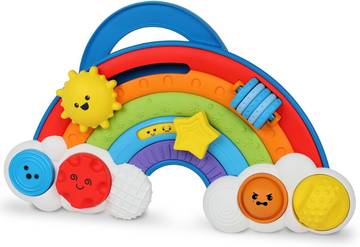
The Sprout &bogen Montessori Rainbow Busy Board is an eco-friendly, handcrafted wooden activity center perfect for toddlers aged 18 months and up. It promotes fine motor skills and cognitive development with a variety of textured elements, screws, rivets, and latches. This indie brand prioritizes sustainable materials and fair labor practices, scoring high on environmental and labor ethics. Primary keyword: Montessori busy board. Long-tail keywords: wooden activity center, toddler sensory toy, ethical Montessori toy, sustainable busy board, handcrafted Montessori toy.
Frequently asked
Is Rainforest Alliance better than Fair Trade?+
They are complementary. Rainforest Alliance emphasises ecological and biodiversity criteria; Fair Trade emphasises minimum prices and community premiums. Best-in-class products often hold both.
Browse Rainforest Alliance by category
Other certifications
What Rainforest Alliance certification actually guarantees
Rainforest Alliance is only meaningful within its defined scope. Certifications cover a specific product, factory or supply-chain stage — almost never an entire company — so the correct question is never "is this brand Rainforest Alliance?" but "is this item, in this line, currently covered?"
Certification also has a shelf life. Certificates are issued for a fixed period and renewed against audits. A brand that once qualified may not be covered today, which is why we check registry entries and dates rather than relying on logos reproduced on marketing pages.
Finally, a certification is a floor, not a ceiling. It rules out the worst practices in the dimensions it measures and stays silent on everything else — durability, repairability, shipping distance and labour conditions outside the audited stage all sit outside most schemes.
Reading a certification claim
| Check | Weak signal | Strong signal |
|---|---|---|
| Scope | Logo used site-wide | Named product or line |
| Identifier | No number quoted | Licence or certificate number given |
| Currency | Undated claim | Valid-until date published |
| Verification | Brand's own word | Entry in the scheme's public register |
Before trusting a Rainforest Alliance badge
- Match badge to itemCertified flagship products often sit beside uncertified basics.
- Check the levelMany schemes have tiers; the top tier is rarer than the badge suggests.
- Look for the auditorAccredited third-party bodies, not consultants paid by the brand.
- Pair with a second signalOne certification plus published testing beats two logos.